Industry News
Home > News > Industry News > Xu Jinmei of CATL: First sodium-ion battery solutions to be delivered in September this year, with GWh-level shipments expected by the end of 2026
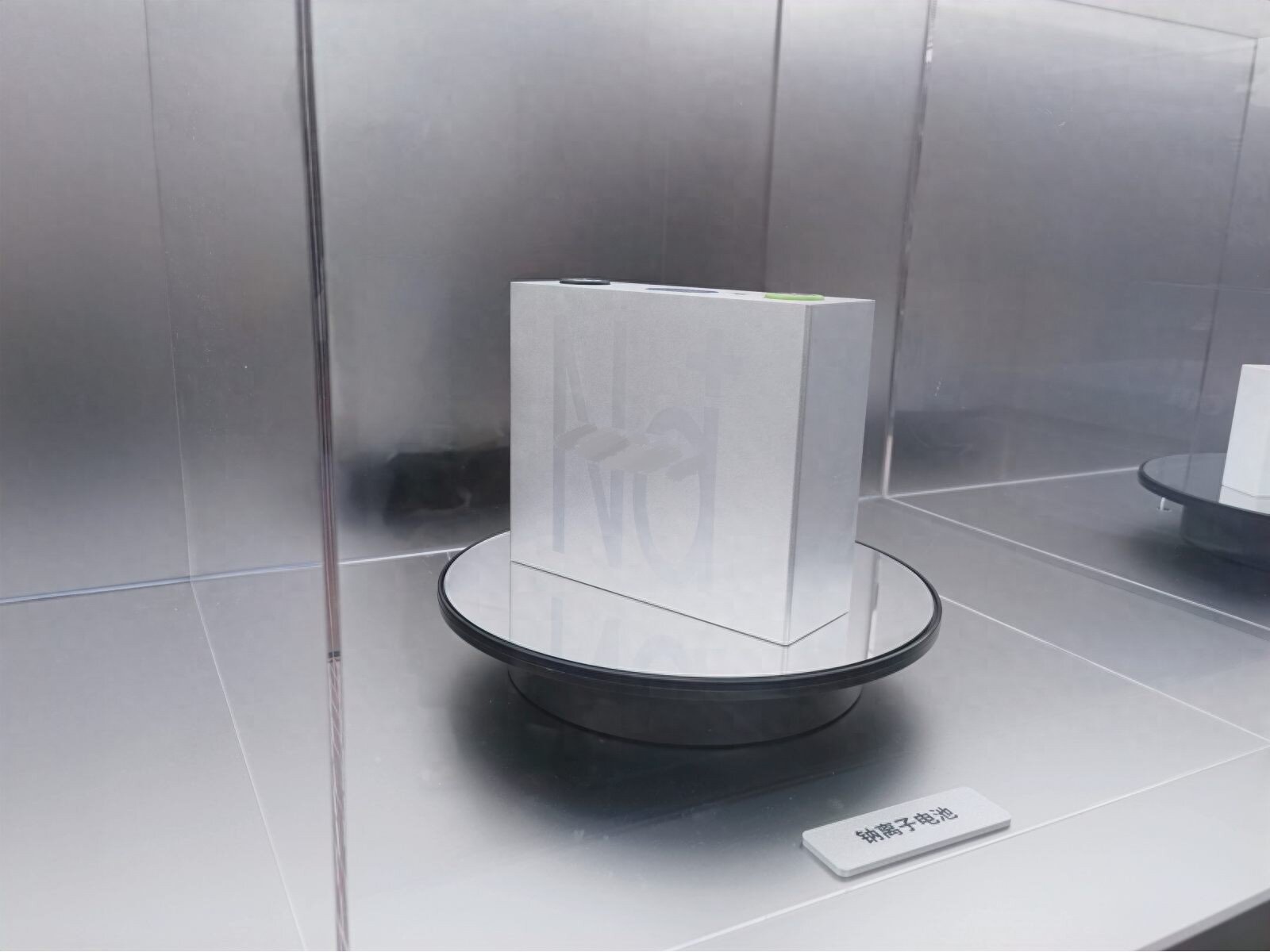
"In the Chinese market, CATL will begin delivering its first sodium-ion battery solutions to customers in September this year, and aims to achieve GWh-level shipment volumes by the end of 2026. Global deliveries are scheduled to commence in June next year," said Xu Jinmei, Chief Technology Officer of CATL's Energy Storage Division and President of Europe, at CATL’s new energy storage product launch event on the evening of June 22 Beijing time.
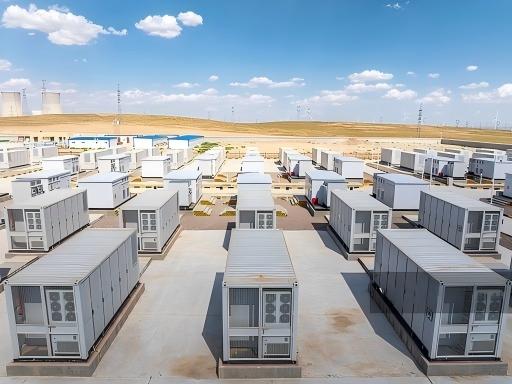
According to information previously disclosed by CATL, the company has reconstructed electrochemical models based on the characteristics of sodium-ion batteries, overcoming manufacturing challenges such as moisture control and gas generation in hard carbon electrodes. This enables CATL’s sodium-ion products to operate across a wide temperature range and deliver an ultra-long cycle life of up to 15,000 cycles. In particular, for energy storage systems, CATL has launched a complete energy storage unit composed of a 3MWh DC cabin and a 3MW step-up converter, with a system lifespan extending up to 20 years.
Xu Jinmei noted that through technological improvements in material structure and manufacturing consistency, CATL has significantly increased the yield of its sodium-ion battery energy storage products, achieving costs 10% to 20% lower than industry averages.
Currently, CATL has invested 650 million euros to expand sodium-ion battery production capacity at its Fuding facility, expecting to add 40GWh of annual output. Additionally, the company’s plant in Jining, Shandong, plans to increase sodium-ion battery capacity by another 160GWh.
"Our mass production lines have all been commissioned and are operating normally, providing a stable manufacturing foundation for large-scale commercial deployment," Xu said.
As a key complement to lithium batteries, sodium batteries offer advantages including superior low-temperature performance, high safety, and minimal temperature rise during high-rate charging. However, lithium-ion batteries remain the industry standard today.
In Xu Jinmei’s view, lithium and sodium technologies should develop in parallel, jointly forming the foundation of next-generation energy storage infrastructure.
"CATL’s Tianheng sodium-ion energy storage system and lithium-ion system share the same platform architecture and physical footprint. This means customers can freely choose between sodium-ion or lithium-ion batteries without needing to replace any cabinets, modify designs, or re-certify systems. As a result, sodium solutions can seamlessly integrate into existing supply chains and enable rapid deployment. This flexibility of seamless sodium-lithium compatibility provides the best solution for managing fluctuations in lithium prices," Xu explained.