Battery Knowledge
From household photovoltaic energy storage to AGV automatic handling vehicles in industrial warehouses, from portable power sources outdoors to drones in the sky, lithium batteries are widely used in various aspects of our lives. Behind these scenarios, lithium iron phosphate (LFP) and lithium nickel manganese cobalt oxide (NMC) have always been the two main technological routes. Lithium iron phosphate is known for its safety, while NMC excels in range - each has its own strengths, but how should one choose?
This article is designed for enterprise-level users, focusing on non-vehicle application scenarios such as energy storage equipment, industrial vehicles, and power tools, without involving electric vehicles.
I. A Quick Overview of the Technical Characteristics of the Two Batteries
Lithium iron phosphate and lithium nickel manganese cobalt oxide batteries have significant differences in several key dimensions.
In terms of energy density, lithium iron phosphate typically ranges from 140 to 180 Wh/kg, while lithium nickel manganese cobalt oxide can reach 200 to 300 Wh/kg, about 20% to 40% higher. This means that under the same weight, lithium nickel manganese cobalt oxide batteries can store more electrical energy.
In terms of cycle life, lithium iron phosphate has a clear advantage. Commercialized lithium iron phosphate batteries generally can maintain a capacity retention rate of over 80% after 3000 to 6000 cycles, while the cycle life of lithium nickel manganese cobalt oxide batteries is usually 2000 to 2500 cycles.
In terms of thermal stability, the thermal runaway onset temperature of lithium iron phosphate is approximately 800 degrees Celsius, and under extreme conditions such as pinching, it usually only smokes but does not catch fire or explode. The thermal runaway temperature of lithium nickel manganese cobalt oxide is approximately 200 to 300 degrees Celsius, and it is more prone to combustion.
In terms of low-temperature performance, at minus 10 degrees Celsius, lithium nickel manganese cobalt oxide can maintain more than 85% of its capacity output, while lithium iron phosphate in the same conditions will drop to less than 70%.
In terms of cost, at the same capacity, the initial investment of lithium iron phosphate is 20% to 30% lower than that of lithium nickel manganese cobalt oxide, and the cost of lithium nickel manganese cobalt oxide is more affected by fluctuations in the prices of cobalt, nickel, etc.
In typical applications, lithium iron phosphate is widely used in energy storage stations, AGV handling vehicles, forklifts, and backup power supplies for communication base stations; lithium nickel manganese cobalt oxide is more used in power tools, drones, portable energy storage devices, and robotics.
II. Safety First: Choose Lithium Iron Phosphate
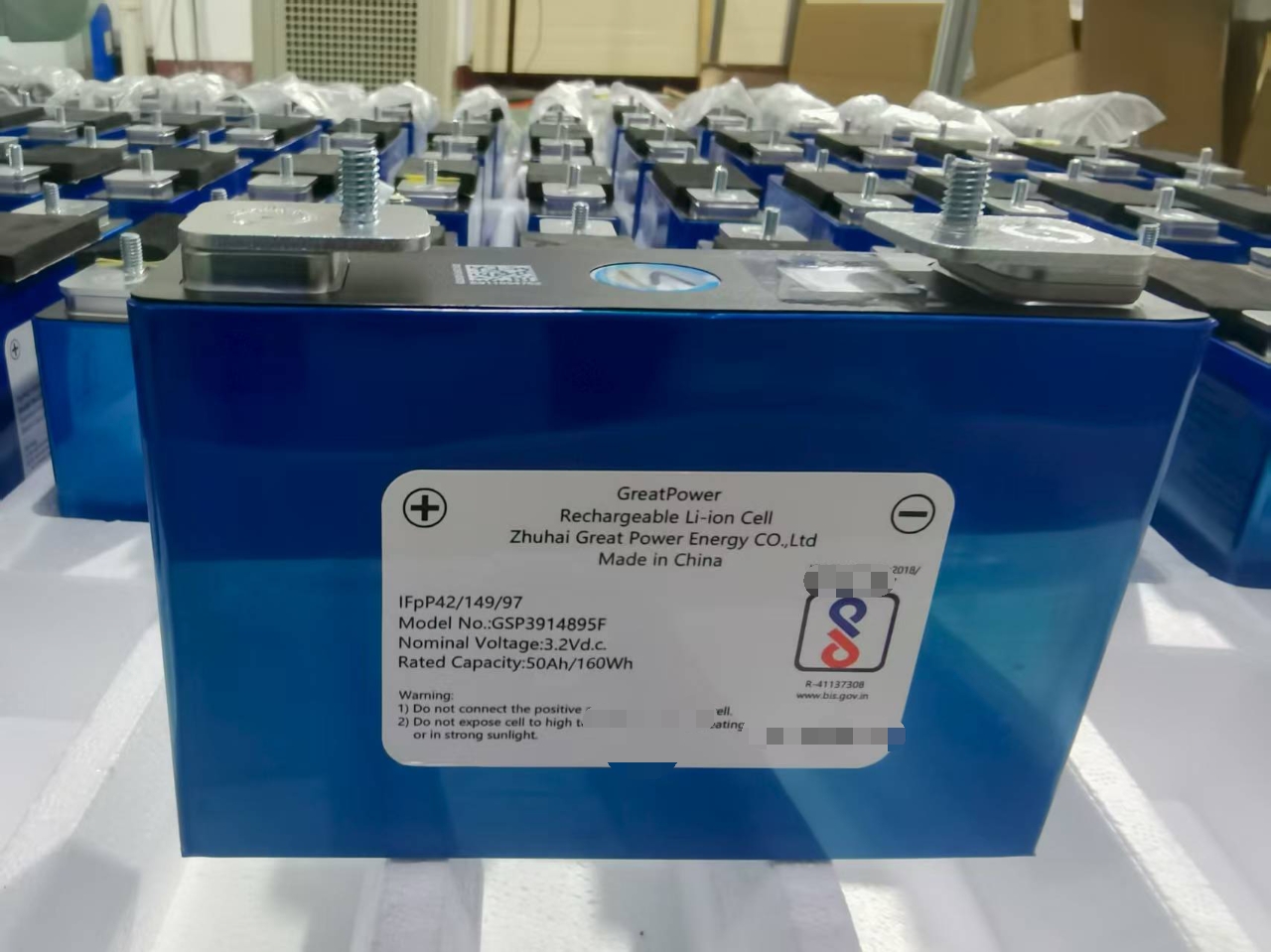
Safety is the bottom line in industrial applications. The reason why lithium iron phosphate has earned the reputation of "the safest lithium battery" is that its material structure has inherent stability. Lithium iron phosphate adopts a stable olivine structure, with a thermal runaway onset temperature of about 800 degrees Celsius. Even under extreme conditions such as pinching, it usually only smokes but does not catch fire or explode.
In practical applications, such as AGV handling vehicles and forklifts that require long-term operation, lithium iron phosphate can achieve stable and efficient operation while significantly reducing the risk of fire. It is still the mainstream choice for AGV.
Cycle life is another major advantage of lithium iron phosphate. In an energy storage system that charges and discharges once a day, lithium iron phosphate can be used for 8 to 15 years, while lithium nickel manganese cobalt oxide typically needs to be replaced after 5 to 7 years. Over the entire life cycle, the comprehensive ownership cost advantage of lithium iron phosphate is obvious. For example, in the photovoltaic energy storage scenario, the system is usually designed to last for 25 years, and matching long-life batteries can significantly reduce mid-term replacement costs.
III. Range First: Choose Lithium Nickel Manganese Cobalt Oxide
The high energy density of lithium nickel manganese cobalt oxide is its most prominent advantage. Under the same capacity requirements, lithium nickel manganese cobalt oxide battery packs are smaller in volume and weight, which is particularly obvious in space-constrained application scenarios.
In portable medical devices, using lithium nickel manganese cobalt oxide batteries can reduce the weight of the device by 40% and extend the battery life to 8 hours. In the drone field, using the lithium nickel manganese cobalt oxide battery system can extend the battery life by more than 30%. In portable energy storage devices, the high energy density of lithium-ion batteries with a ternary composition can significantly reduce the size and weight of the device, enhancing its portability.
In terms of low-temperature performance, lithium-ion batteries with a ternary composition also have advantages. At a temperature of minus 10 degrees Celsius, lithium-ion batteries can maintain a capacity output of over 85%. In even more extreme conditions of minus 20 degrees Celsius, the capacity retention rate of lithium iron phosphate batteries is approximately 55%, and charging is strictly prohibited below zero degrees Celsius. However, lithium-ion batteries can still maintain good discharge capacity. This makes lithium-ion batteries the preferred solution for energy storage systems and outdoor equipment in extremely cold regions.
In terms of high power output, the high rate performance of lithium-ion batteries can also meet the needs of high-end equipment that require rapid charging and discharging.
IV. Industrial Scene Selection Guide
For different non-vehicle application scenarios, the two types of batteries have their own focuses.
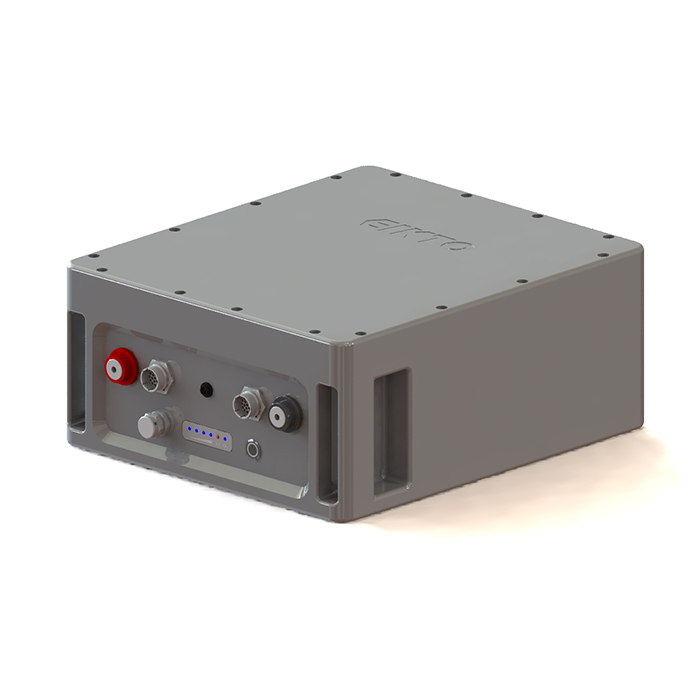
In energy storage systems, including photovoltaic energy storage, grid-side energy storage, and backup power for communication base stations, the core requirement is safety first and lifespan second. Lithium iron phosphate batteries, with their excellent thermal stability and ultra-long cycle life, have become the absolute mainstream in the energy storage field.
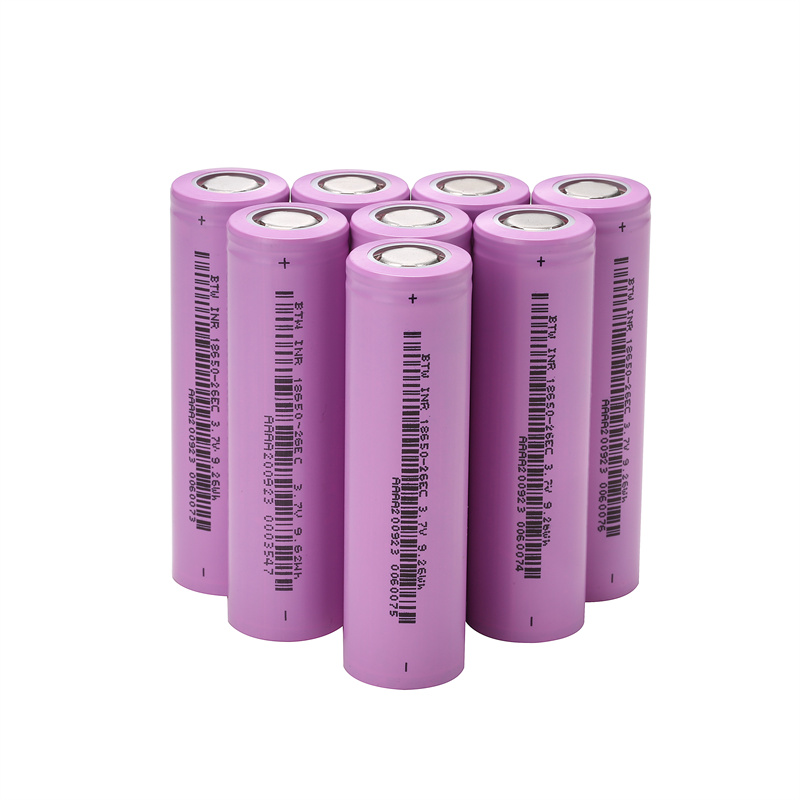
In AGV and electric forklifts, the mainstream choice in normal-temperature factories is lithium iron phosphate. If the AGV needs to operate continuously for 24 hours and has a short charging time window, a mixed solution of lithium iron phosphate and supercapacitors can be selected. For small AGVs with weight sensitivity and limited space, lithium-ion batteries have a higher energy density, but they must be equipped with advanced battery management systems and fireproof and explosion-proof structures, and are not recommended for use in densely populated areas. In the electric forklift scenario, lithium iron phosphate also occupies a dominant position.
In electric tools and industrial equipment, high-rate lithium-ion batteries are suitable as power sources for electric tools and robots, meeting the instantaneous high-power requirements of equipment such as drills and saws. However, lithium-ion batteries generate a lot of heat during operation, and a thermal management system must be used to prevent overheating.
In unmanned aerial vehicles and low-altitude economy, lithium-ion batteries, with their high energy density and superior high-rate discharge performance, have gradually become the mainstream power solution in the unmanned aerial vehicle field.
In portable energy storage, outdoor power sources need to store more energy in a small volume. The high energy density of lithium-ion batteries can significantly reduce the size and weight of the device. However, in indoor installation scenarios such as home energy storage, safety is prioritized, and lithium iron phosphate batteries remain a more reliable choice.
V. Future Trends: Parallel Development of Two Routes
Lithium iron phosphate and lithium-ion batteries are not in an "either-or" opposition relationship. They are based on different technical characteristics and are selected for specific scenarios. The parallel development of these two routes is to cover diverse market demands, which is also the foundation for the industry's vitality.
Technically, lithium iron phosphate is continuously evolving towards high energy density. The fifth-generation lithium iron phosphate batteries have an energy density of up to 205Wh/kg, and the super-fast charging version takes less than 4.5 minutes to charge 10% to 70% of the battery capacity. The ultra-long-life version can support energy storage applications for more than 30 years. Meanwhile, lithium-ion batteries are improving safety through semi-solid and solid electrolyte technologies. Both show a trend of technological integration and differentiated development in specific market segments.
Lithium iron phosphate and lithium-ion batteries each have their strengths and weaknesses. There is no absolute "best", only the "most suitable". The selection should be based on the priority of application requirements.
How to Extend 18650 Cell Lifespan?
Sep. 22, 2026
What Are the Advantages of Lithium Marine Batteries?
Sep. 22, 2026