Home > Products > Battery Cells > 26650 cells
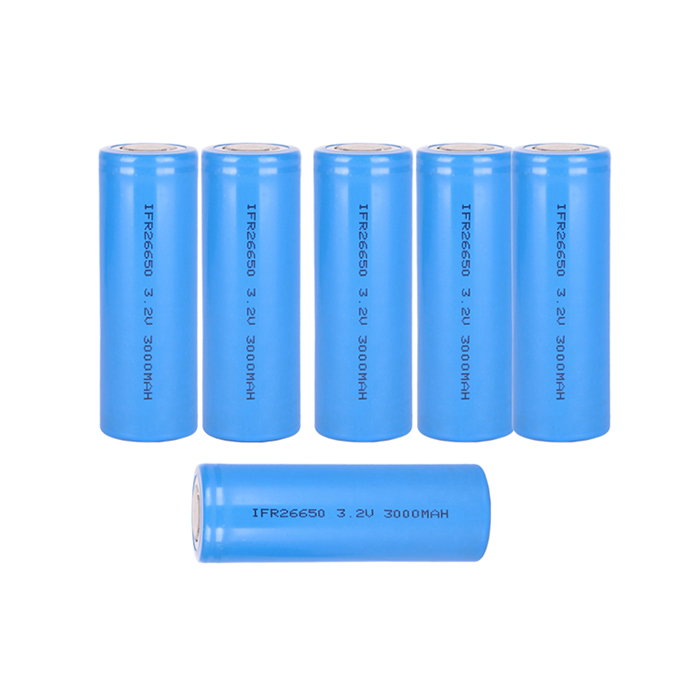
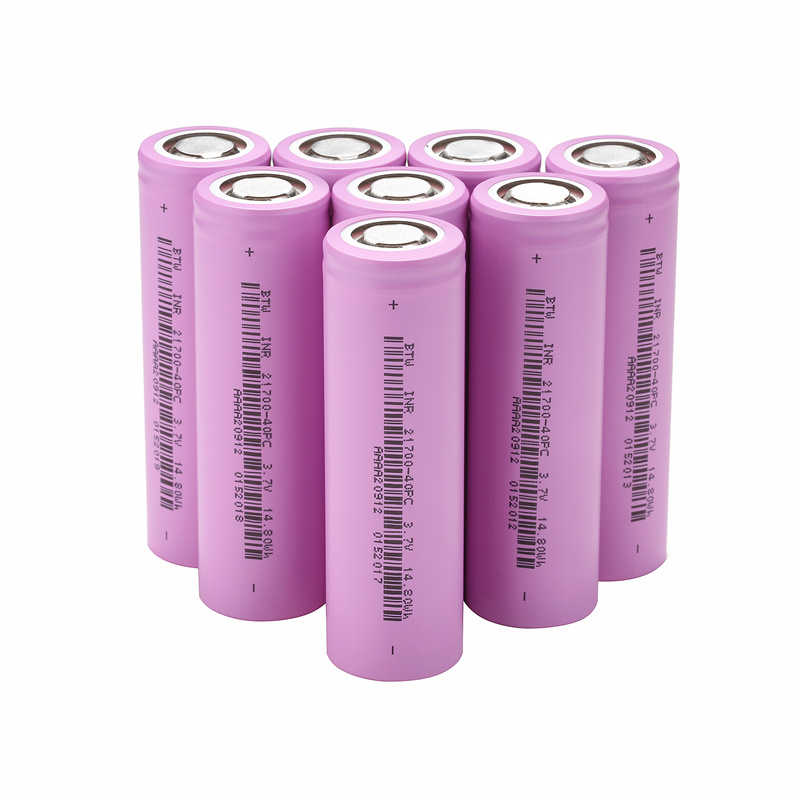
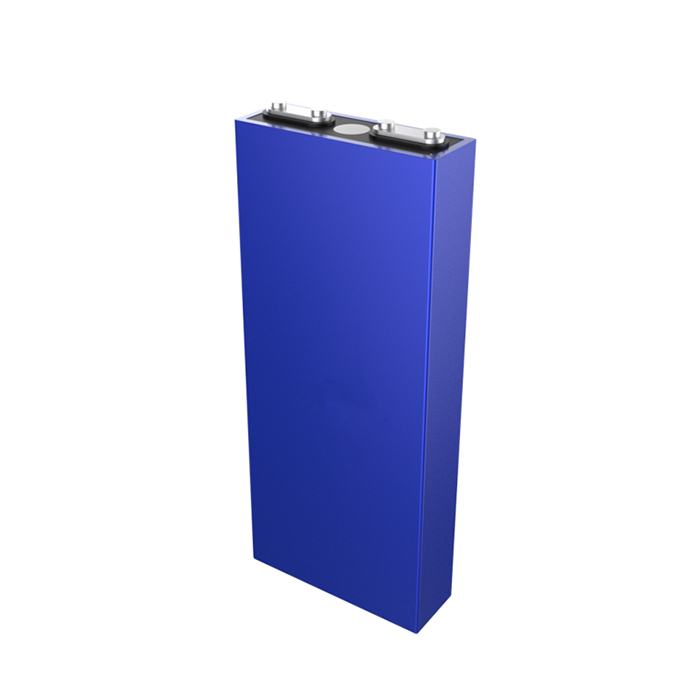
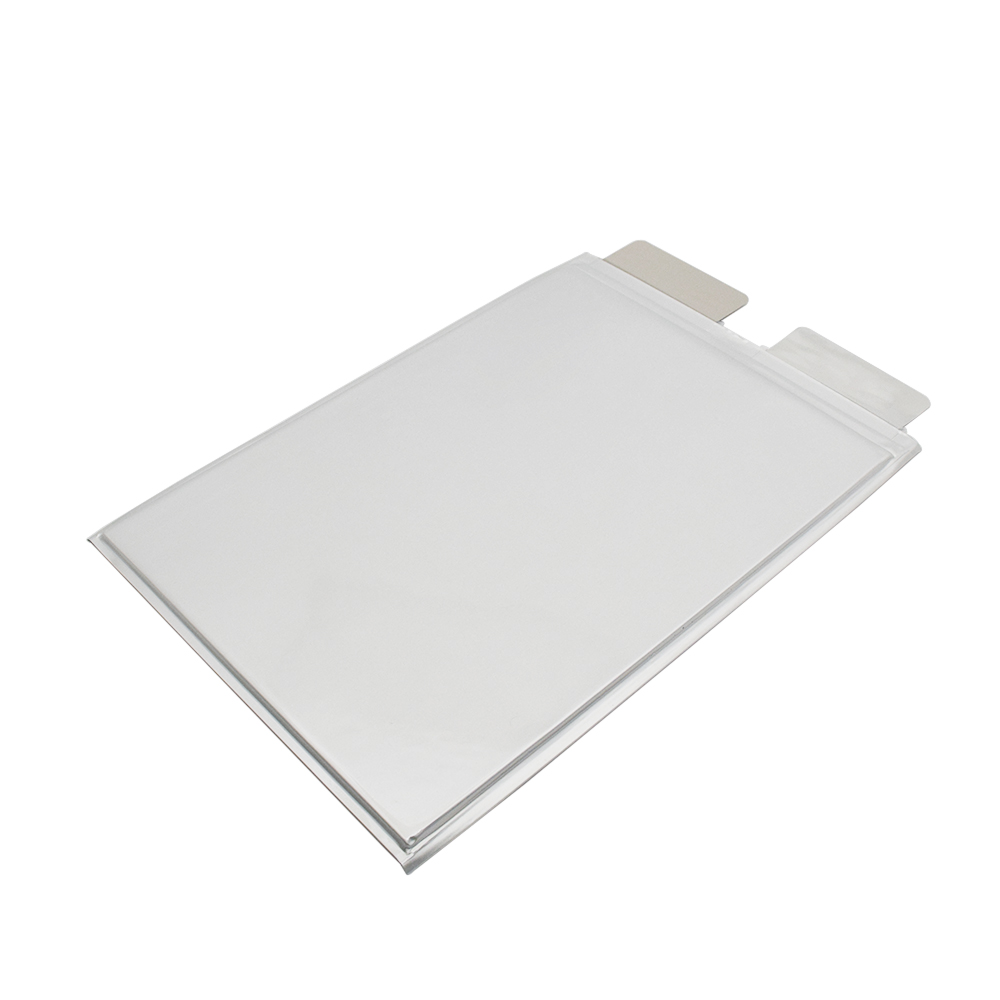
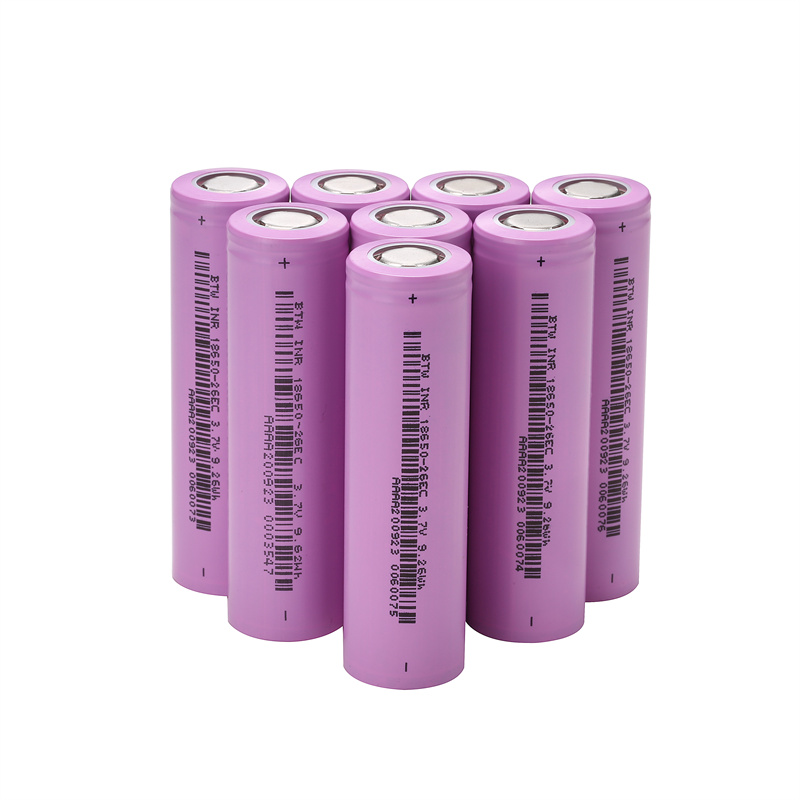
The 26650 cell cover LiFePO4 cell and LiNiCoMn cell with 5000mAh Max. capcaity ofand 10C Max. discharge C-rate.
The formula structure and process design with safety as the core realize the combination of safety, consistency and long life. They are widely used for Electric tools, Electric bikes and scooters, Electric low speed vehicles, Solar lights ect.
Product Description
MATELION offers rechargeable 26650 cylindrical lithium-ion battery cells in LiFePO4 and LiNiCoMn chemistries. The models listed on this page range from 2,200 mAh to 5,000 mAh, with rated voltages of 3.2 V or 3.7 V depending on the model. Charging and continuous discharge ratings also vary by model, allowing buyers to compare available options according to their application requirements.
The 26650 designation refers to a nominal cylindrical size of approximately 26 mm in diameter and 65 mm in length. Before selecting a cell, buyers should confirm the exact model dimensions, chemistry, capacity, charging limits, and discharge requirements. Explore our industrial rechargeable battery cells for more product options.
1. Battery Chemistry and Rated Voltage
LiFePO4 and LiNiCoMn cells have different voltage characteristics and charging requirements. Select a chemistry that matches your battery pack design, charger, and application requirements.
2. Capacity and Discharge Performance
Capacity affects available energy, while discharge capability determines whether a cell can meet the required load. A higher capacity rating does not automatically mean a higher discharge capability. Compare the rated capacity and continuous discharge specifications of each model before making a selection.
3. Dimensions and Battery Pack Integration
Check the cell dimensions, weight, holder clearance, electrical connections, and available installation space before designing a new battery pack or evaluating a replacement. The selected cell must also be compatible with the pack configuration and battery management system (BMS).
4. Charging and Operating Requirements
Charging current, charging voltage, operating temperature, and discharge limits should be verified against the specifications of the selected cell. The charger and BMS must be configured for the relevant cell chemistry and battery pack design.
Depending on the selected model and battery pack design, 26650 battery cells may be considered for power tools, industrial equipment, portable and backup power systems, energy storage packs, and selected electric mobility applications.
When evaluating a cell for a specific project, buyers should consider the required capacity, continuous and peak load, operating environment, available installation space, and charging conditions. Confirm that the selected model meets the technical requirements of the completed battery system before use.
Specification
| Model No. | Chemistry | Nominal Capacity(mAh) | Rated Voltage(V) | Max.Continuous Discharge Current | Max. Charge Current | Weight(g) | DataSheet |
| MATE26650HP2.2 | LiNiCoMn | 2200 | 3.7 | 10C | 1C | 64 | |
| MATE26650NP3.5 | LiNiCoMn | 3500 | 3.7 | 1C | 0.5C | 85 | |
| MATE26650NP5.0 | LiNiCoMn | 5000 | 3.7 | 1C | 0.5C | 85 | |
| MATE26650HP2.4 | LiFePO4 | 2400 | 3.2 | 10C | 1C | 82 | |
| MATE26650MP3.4 | LiFePO4 | 3400 | 3.2 | 3C | 1C | 85 |
1. Energy Storage and Backup Power
For energy storage and backup power projects, selecting the right 26650 battery cell requires careful consideration of capacity, rated voltage, continuous discharge current, operating temperature, and expected service life. Buyers should evaluate the cell specifications against the system's power requirements, battery pack configuration, and charging conditions before confirming a suitable model.
2. Electric Mobility and Industrial Equipment
For electric mobility and industrial equipment applications, cell selection should be based on continuous and peak discharge demands, installation space, operating conditions, and battery pack design requirements. Battery pack manufacturers should also consider cell consistency, electrical connections, thermal management, and compatibility with the battery management system (BMS).
Choosing the right 26650 battery cell starts with accurate model-level specifications. Before placing an order, buyers should confirm the cell chemistry, nominal capacity, rated voltage, charging limits, continuous discharge rating, dimensions, and operating temperature range for the selected model.
MATELION's listed 26650 battery cell models cover different capacity and discharge requirements. Buyers can compare the available specifications and contact us to discuss their application requirements, request applicable product documentation, and confirm technical suitability before proceeding with a project.
For quotation inquiries, please provide your target application, required capacity and voltage, discharge requirements, and estimated order quantity. This information helps identify suitable candidate models for further technical evaluation.
When evaluating 26650 battery cells for a battery pack, buyers should consider cell consistency, continuous discharge requirements, charging limits, thermal conditions, and mechanical integration. The selected cell must meet the electrical and physical requirements of the intended application.
Battery Pack Compatibility: Cells connected in series increase pack voltage, while parallel connections can increase available capacity and current capability. The final configuration should be determined according to the required voltage, load, charger, battery management system (BMS), and applicable safety requirements. Do not assume that a 26650 cell can directly replace an 18650 cell without checking dimensions and electrical compatibility.
Electrical and Thermal Requirements: Before finalizing a battery pack design, verify the selected cell's continuous discharge rating, charging limits, operating temperature range, and installation requirements. Thermal management, electrical connections, insulation, and mechanical fixation should be evaluated for the intended operating environment. Always refer to the applicable model-specific specifications during the design process.
A standard 26650 cylindrical battery cell is nominally 26 mm in diameter and 65 mm in length. Actual dimensions and tolerances may vary by model. Buyers should check the applicable product specifications to confirm installation space and battery pack compatibility.
MATELION's current product listing includes LiFePO4 and LiNiCoMn battery cell options. These chemistries have different voltage characteristics and charging requirements. Always confirm the chemistry and rated voltage of the selected model before choosing a charger or designing a battery pack.
The current product listing includes 26650 battery cell models with capacities ranging from 2,200 mAh to 5,000 mAh. Available capacity and discharge performance vary by model. Refer to the product specification table and confirm current model availability before placing an order.
Not necessarily. A 26650 cell has a larger nominal cylindrical size than an 18650 cell, so it may not fit an existing battery holder or enclosure. Buyers should also verify rated voltage, discharge requirements, charging conditions, battery management system (BMS) compatibility, and the overall battery pack design before considering a replacement.
Start by identifying your required nominal voltage, capacity, continuous and peak discharge current, operating temperature range, and available installation space. The cell chemistry, charging limits, and battery management system must also match the intended application. Compare the available model specifications and request technical documentation before finalizing your selection.
To evaluate a suitable 26650 battery cell for your project, please provide the intended application, required nominal voltage and capacity, continuous and peak discharge current, operating temperature range, installation space, and estimated order quantity.
Contact MATELION to request the applicable product specifications and discuss your requirements. Confirm the technical suitability of the selected model before proceeding with battery pack development or placing an order.