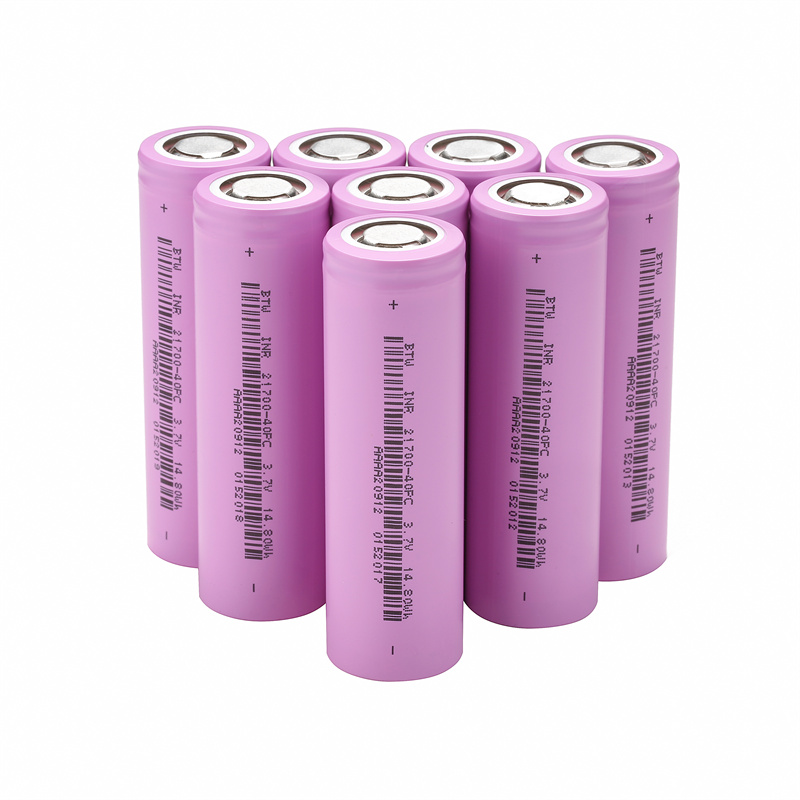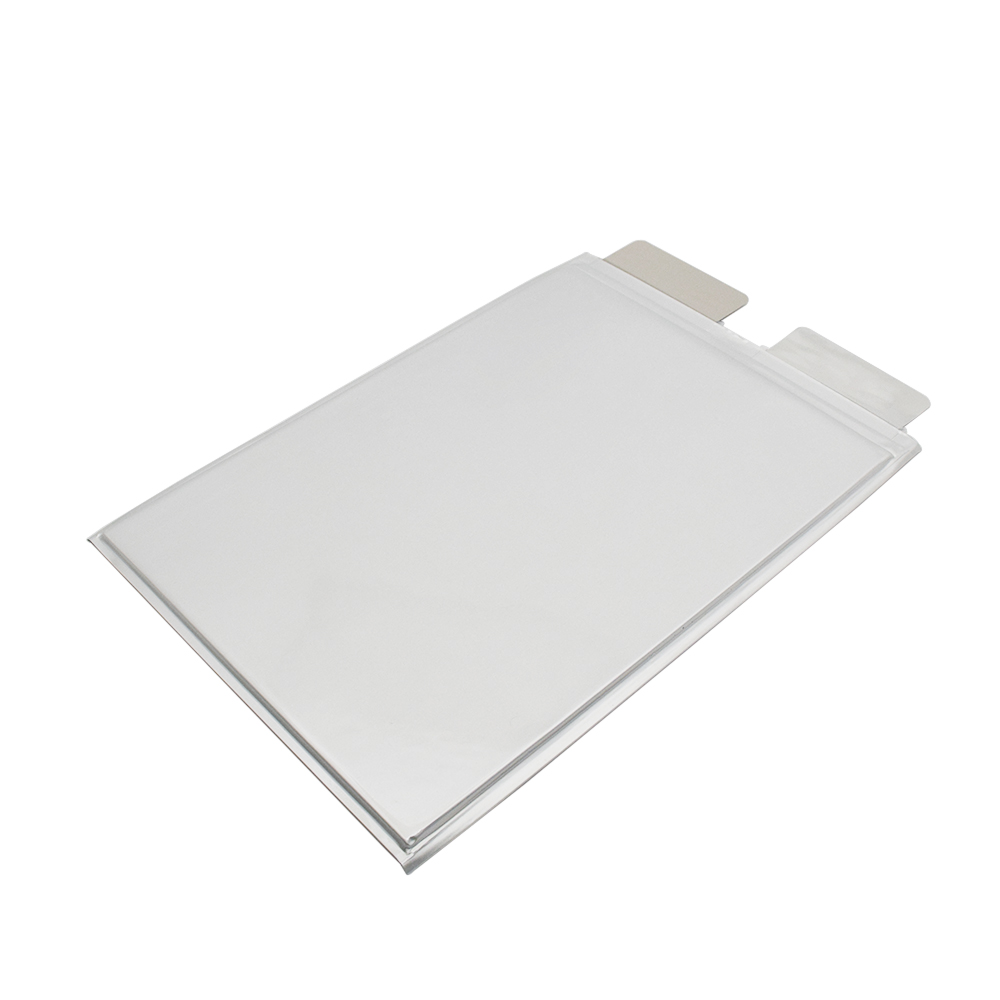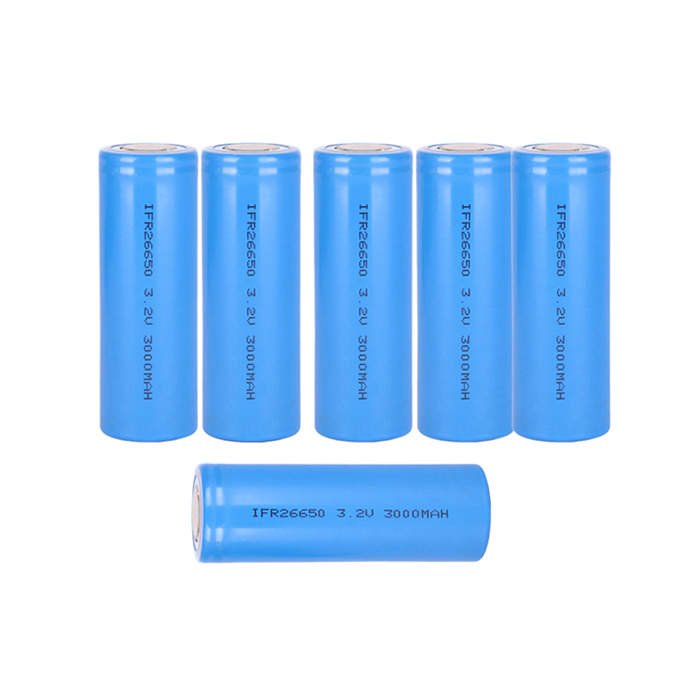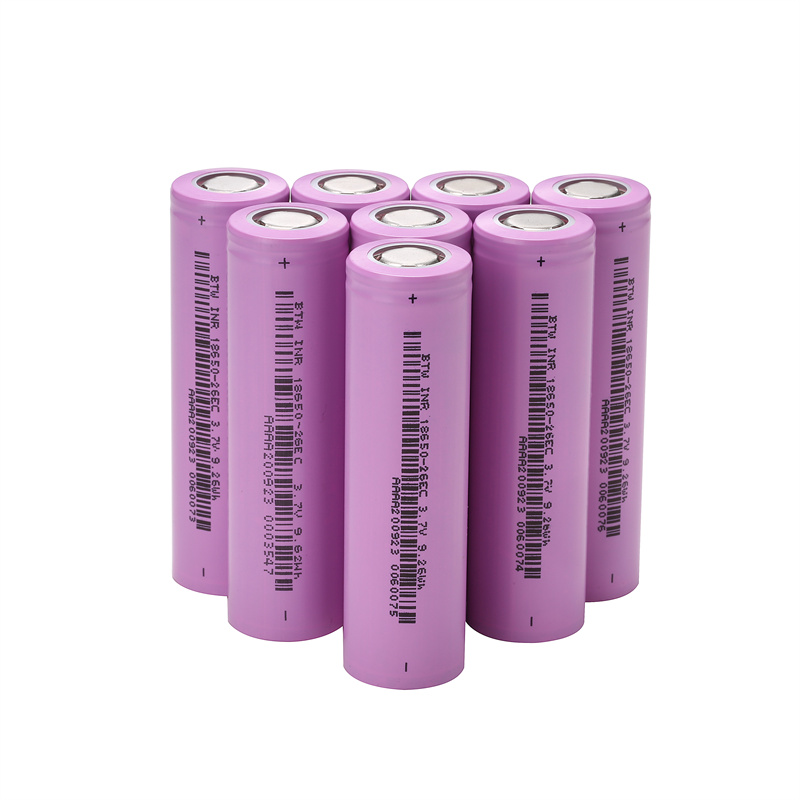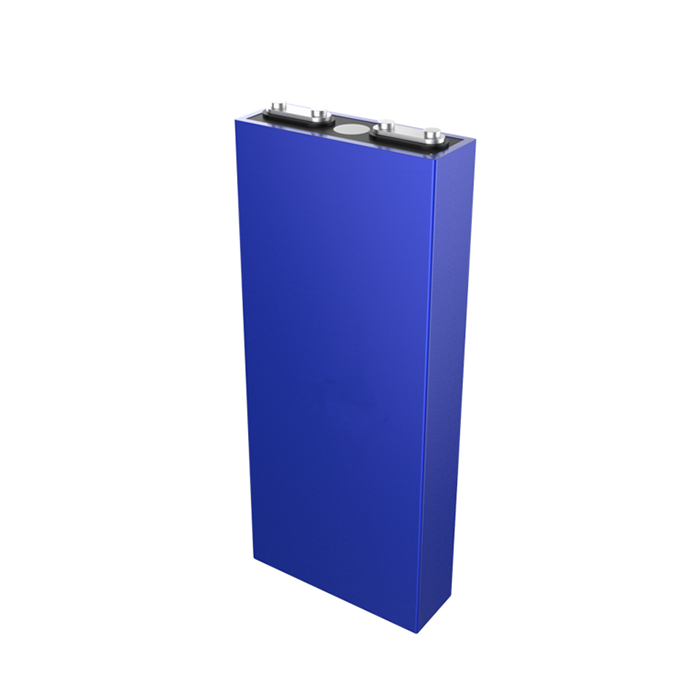
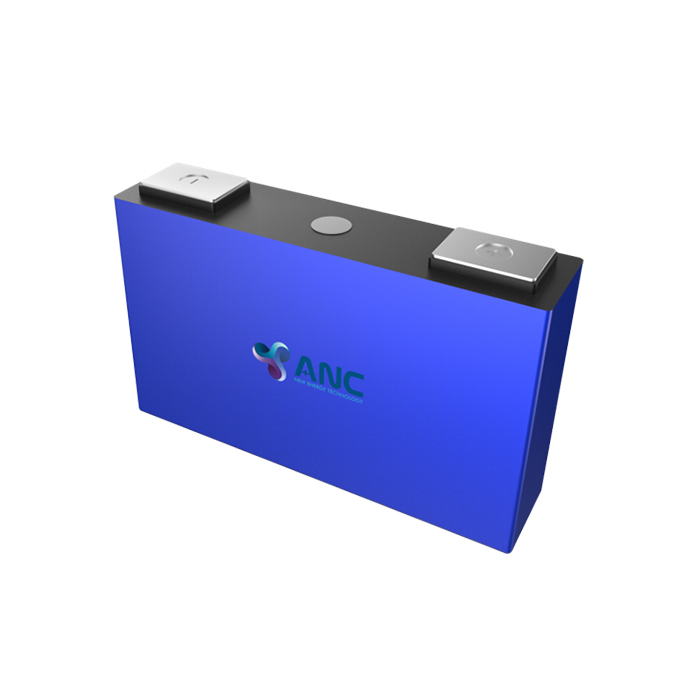
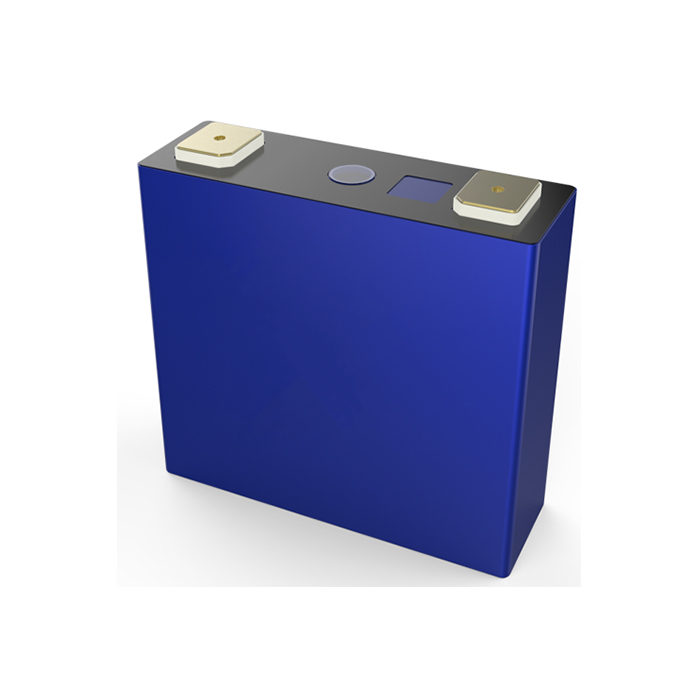
MATELION focuses on the LFP prismatic cell,widely used in electric tractors, mining machinery, energy storage, forklifts and ships. Our LFP prismatic cells have been tested by the market for more than 5 years,have been and the cell technology has been continuously optimize.
Product Description
The super cell is the 280Ah LFP prismatic cell which is designed with unique structure of one-tab, that the taps stand out of the two ends of the cell. Because the entire empty foil area is full of tabs, it can withstand larger current and the cell C-rate performance is very good. Besides,the temperature rise is obviously lower than common LFP primatic cells .
LFP Prismatic Cells are lithium iron phosphate battery cells designed with rigid aluminum or steel casing, offering exceptional safety, structural stability, and long-term reliability. LFP (LiFePO4) chemistry is widely recognized as one of the safest lithium battery technologies, making prismatic LFP cells the preferred choice for large-scale energy storage systems, electric vehicles, and industrial power applications.
As a professional LFP Prismatic Cells supplier, we provide high-quality lithium battery cells that deliver stable performance, long service life, and excellent consistency for battery pack integration.
With the advantage of simple arrangement,convenient maintenance and the higher space utilization rate, it can be very flexibly suitable for various types of customers and application scenarios.
Compared to cylindrical batteries and pouch batteries, our square batteries possess four core competitive advantages, creating practical value for your end products:
1. Robust structure, outstanding safety performance
The battery is encapsulated with a high-strength aluminum alloy shell, which has strong resistance to impact and vibration, effectively preventing external mechanical damage; it is also equipped with an explosion-proof valve design, which can automatically release pressure when the internal pressure of the battery is abnormal, preventing thermal runaway risks at the source. The product has passed multiple rigorous tests such as overcharge, compression, puncture, and fire, meeting automotive-grade (IATF16949), industrial-grade high safety standards, and is suitable for stable operation under complex conditions.
2. Standardized design, higher integration efficiency
The size of the battery cell and the height of the interface are standardized, allowing for direct combination of series and parallel to form a battery pack without the need for additional complex fixing brackets and buffering structures, significantly reducing the difficulty and cost of battery pack integration; at the same time, the consistency of standardized battery cells is easier to control, which can effectively improve the overall cycle life and charging and discharging efficiency of the battery pack, especially suitable for large-scale energy storage and new energy vehicle batch application scenarios.
3. Balanced energy density and rate performance
Our square batteries can achieve an energy density of 250-300Wh/kg, supporting high-rate discharging ranging from 5C to 10C, which can meet the high current requirements of acceleration and climbing in new energy vehicles, as well as the fast charging and discharging scenarios of energy storage systems; the internal resistance of the battery cell is as low as ≤30mΩ, with low heat generation during charging and discharging, and a cycle life of over 1500 times (remaining capacity ≥80%), balancing both range and durability.
4. Strong temperature adaptability, covering all scenarios
The working temperature range of the battery cell is wide, from -30℃ to 60℃. In low-temperature environments, the capacity retention rate is ≥70%, and in high-temperature environments, the cycle stability does not decline. It can meet the power supply requirements of energy storage stations in cold regions, high-temperature industrial equipment, and outdoor construction machinery and other special scenarios.
Specification
| Model No. | Chemistry | Nominal Capacity (Ah) | Rated Voltage (V) | Max. Continuous Discharge Current | Max. Charge Current | Weight (kg) | Size (mm) | Cycle Life | DataSheet |
| MATE39514896-50Ah | LiFePO4 | 50 | 3.2 | 1C | 1C | 1.18 | 39.5x148x96 | 4000 Cycles @1C, 25℃ | |
| MATE27173204-100Ah | LiFePO4 | 100 | 3.2 | 1C | 1C | 2.13 | 27x173x204 | 4000 Cycles @1C, 25℃ | |
| MATE37130200-105Ah | LiFePO4 | 105 | 3.2 | 3C | 1C | 1.98 | 37x130x200 | 3500 Cycles @1C, 25℃ | |
| MATE7914897-120Ah | LiFePO4 | 120 | 3.2 | 1C | 1C | 2.41 | 79x148x97 | 3000 Cycles @1C, 25℃ | |
| MATE35173207-150Ah | LiFePO4 | 150 | 3.2 | 1C | 1C | 2.82 | 35x173x207 | 3000 Cycles @1C, 25℃ | |
| MATE54173200-205Ah | LiFePO4 | 205 | 3.2 | 1C | 1C | 3.98 | 54x173x200 | 6000 Cycles @1C, 25℃ | |
| MATE54173200-230Ah | LiFePO4 | 230 | 3.2 | 1C | 1C | 4.13 | 54x173x200 | 4000 Cycles @1C, 25℃ | |
| MATE71173204-280Ah | LiFePO4 | 280 | 3.2 | 1C | 1C | 5.37 | 71x173x204 | 6000 Cycles @1C, 25℃ | |
| MATE71173204-302Ah | LiFePO4 | 302 | 3.2 | 1C | 1C | 5.4 | 71x173x204 | 4000 Cycles @1C, 25℃ |
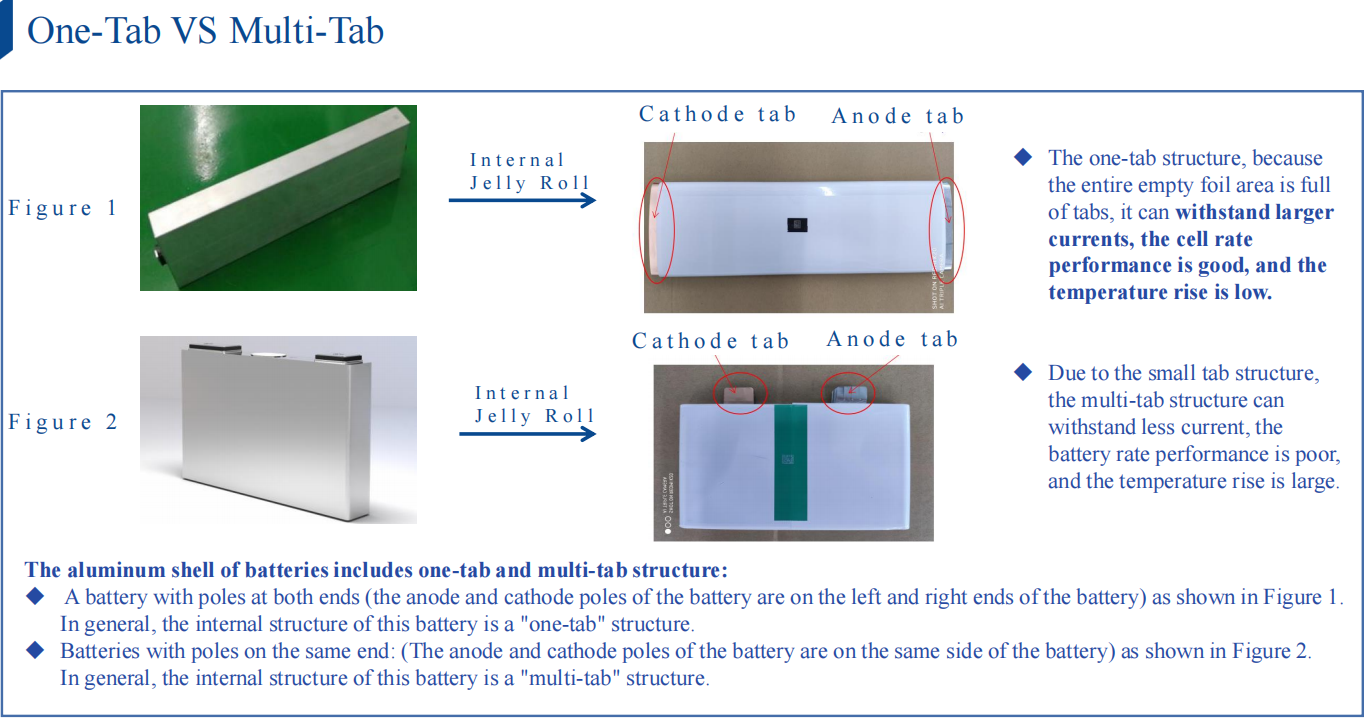
To meet the differentiated needs of customers from various industries, we have developed exclusive solutions covering the entire chain from solution design to after-sales maintenance:
1. Battery Solution for New Energy Vehicles
Challenges Addressed: For passenger cars, commercial vehicles, and logistics vehicles, we offer a square cell + battery pack + BMS integrated solution; support for optimizing cell grouping efficiency to enhance battery pack energy density; customize thermal management systems to solve issues of uneven heat dissipation and reduced battery pack range at low temperatures.
Value-added Services: Assist customers in completing the matching and debugging of battery packs and the vehicle, provide CCC, UN38.3, etc. certification support, and shorten the product launch cycle.
2. Exclusive Solution for Energy Storage Systems
Challenges Addressed: For household energy storage, industrial and commercial energy storage, and grid energy storage scenarios, we provide high consistency square cell modules; equipped with intelligent BMS and EMS energy management systems to achieve intelligent charging and discharging control and grid peak-valley arbitrage; support modular assembly, flexibly adapting to different energy storage capacity requirements.
Value-added Services: Provide overall design and installation guidance for the energy storage system, and offer 7×24-hour remote monitoring and fault services after sales.
1.R&D Strength: The company has a R&D team, equipped with a national-level battery testing laboratory, focusing on innovative square battery materials, structural optimization, and BMS algorithm development, with cumulative related patents and technical indicators at the industry-leading level.
2.. Quality Control and Certification: Obtained ISO9001 quality management system, ISO14001 environmental management system, IATF16949 automotive industry quality system certifications; products comply with CE, UL, UN38.3 and other international certification standards, meeting the requirements for market access in both domestic and foreign markets.
3.. Service Strength: Provide one-on-one customer managers + technical engineers for connection services; after sales, provide lifetime technical consultation, and respond quickly to product quality issues to ensure that the production progress of the customer is not affected.
Compared with NCM or NCA lithium batteries, LFP prismatic cells offer:
Higher safety and lower fire risk
Longer cycle life and lower degradation rate
Better performance under high temperature
Lower environmental impact without cobalt
More stable output for long-term energy storage
Although their energy density is slightly lower, their safety and durability make them far more suitable for industrial and large-scale applications.
As a reliable Industrial Rechargeable Batteries Cells supplier, we focus on:
Strict quality control and testing processes
High cell consistency for mass production
Stable long-term supply capability
Flexible customization support
Competitive pricing and fast delivery
Our LFP prismatic cells are designed to meet demanding industrial requirements, ensuring safety, reliability, and long-term performance.
Prismatic LFP cells may expand slightly during cycling because of changes inside the electrode structure. Battery module design should therefore include appropriate support and controlled compression.
Insufficient support may allow excessive cell movement or swelling. Excessive compression can also affect cell performance and mechanical safety. The correct compression force should follow the cell manufacturer’s module-design recommendations.
Important structural considerations include:
End plates with sufficient mechanical strength
Tie rods, frames or enclosure structures
Uniform pressure across the cell surface
Electrical insulation between cells
Expansion allowance throughout service life
Protection against vibration and shock
Cell-spacing control
Safe clearance around terminals and safety vents
For vehicle, construction machinery and mobile industrial applications, vibration and impact testing should be included in the validation process.
Large-capacity prismatic cells can carry substantial current, making terminal and busbar design a critical part of battery pack performance.
The busbar system should be designed according to:
Maximum continuous current
Peak current and pulse duration
Busbar material
Cross-sectional area
Contact resistance
Terminal torque
Surface treatment
Heat dissipation
Insulation distance
Vibration conditions
Copper and aluminum busbars are commonly selected according to current, weight, corrosion and manufacturing requirements. Connection surfaces should remain clean and flat, and terminal torque should follow the recommended value.
Improper terminal assembly may result in:
High contact resistance
Localized heating
Voltage imbalance
Loose connections
Terminal damage
Reduced battery pack efficiency
Terminal temperature should be monitored during prototype current testing.
Although LFP chemistry offers good thermal stability, thermal management remains essential for achieving long service life and consistent battery pack performance.
The thermal system should aim to minimize both the maximum cell temperature and the temperature difference between cells.
Air cooling can be suitable for lower-current battery packs, backup power and moderate ambient conditions. The enclosure should provide a controlled airflow path rather than relying on random ventilation.
Liquid cooling may be preferred for high-energy battery racks, high ambient temperatures, frequent cycling or compact battery enclosures. Cooling plates can be positioned at the bottom or sides of the cells depending on the module structure.
Thermally conductive pads, plates and enclosure surfaces can transfer heat from the cell to the battery structure. Material thickness and compression should remain consistent across the module.
At low temperatures, charging capability can be limited. Battery systems used in cold climates may require heating films, liquid heating or controlled preheating before charging.
Temperature sensors should be placed near likely hot spots rather than only at easily accessible positions.
The battery management system should be selected according to the battery configuration, current demand and application safety requirements.
Core BMS functions should include:
Individual cell-voltage monitoring
Charge overvoltage protection
Discharge undervoltage protection
Overcurrent protection
Short-circuit protection
High- and low-temperature protection
Cell balancing
State-of-charge estimation
State-of-health estimation
Insulation monitoring for high-voltage systems
Communication with inverters, chargers or vehicle controllers
Fault recording and remote diagnostics
For 280Ah and other large-capacity cells, the BMS balancing strategy is particularly important. Small differences between cells can accumulate over repeated cycles, reducing usable pack capacity.
Passive balancing may be sufficient for well-matched cells and moderate applications. Active balancing may be considered for large systems requiring higher balancing efficiency or a wider operating state-of-charge range.
Our square batteries not only possess the stability and reliability of hard-shell batteries, but also enjoy the cost advantages of large-scale production. Moreover, they can provide you with customized application solutions.
Choosing us means you will not only receive high-quality battery cells, but also a long-term cooperative partner. We look forward to jointly exploring the potential applications of square batteries in more fields and achieving mutual benefit and win-win results!