Electric Low Speed Vehicle Batteries
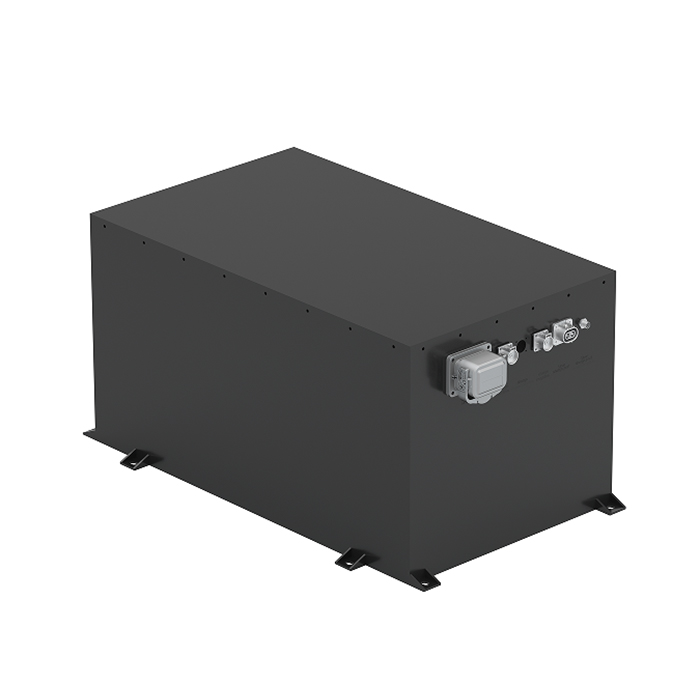
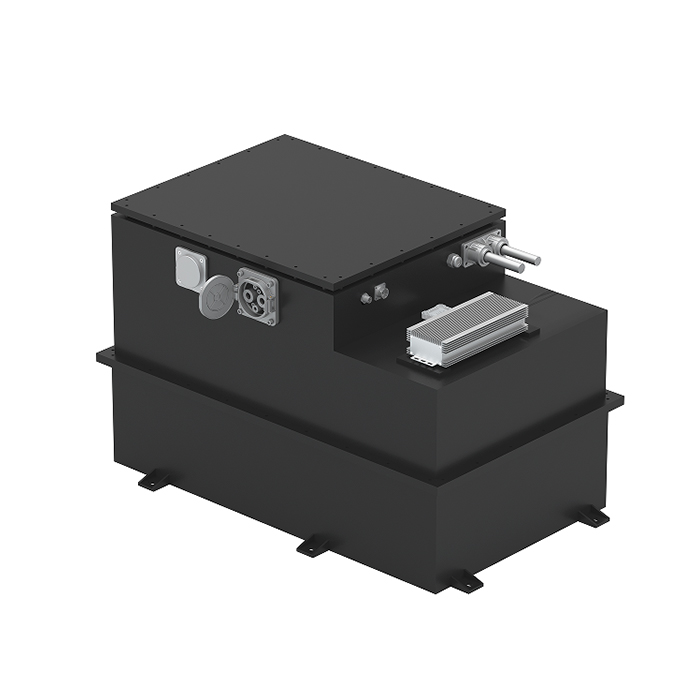
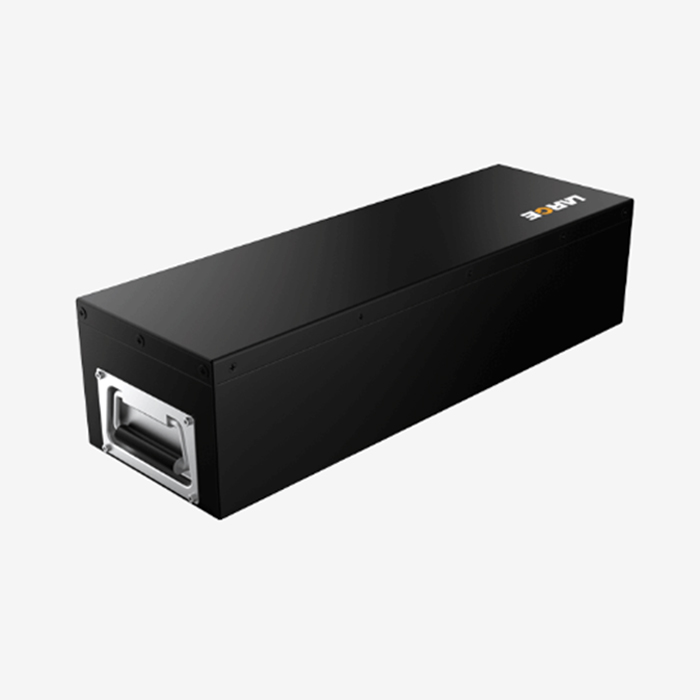
As low-speed vehicles (LSVs) such as golf carts, electric tricycles, neighborhood electric vehicles (NEVs), and utility carts continue to gain traction in urban mobility, tourism, and industrial logistics, lithium-ion batteries have become the preferred power solution. Compared with traditional lead-acid batteries, lithium batteries offer higher efficiency, longer lifespan, and lower total cost of ownership—making them a strategic upgrade for manufacturers, fleet operators, and distributors.
Low-speed vehicles operate in environments that demand reliability, frequent charging cycles, and consistent performance. Lithium-ion batteries are engineered to meet these requirements while optimizing energy output and operational efficiency.
Higher Energy Density
Lithium-ion batteries deliver more power in a smaller and lighter package. This directly improves vehicle range and reduces overall vehicle weight, enhancing driving efficiency and payload capacity.
Longer Service Life
A typical lithium battery can support 2,000–5,000 charge cycles, significantly outperforming lead-acid alternatives. This extended lifespan reduces replacement frequency and lowers maintenance costs for commercial fleets.
Fast Charging Capability
LSV lithium batteries support rapid charging, enabling vehicles to return to service quickly. This is particularly beneficial for high-utilization applications such as resorts, campuses, and industrial parks.
Stable Power Output
Unlike lead-acid batteries that experience voltage drops, lithium-ion batteries maintain consistent voltage throughout discharge, ensuring stable vehicle performance.
Lithium-ion batteries are widely used across various low-speed vehicle segments, including:
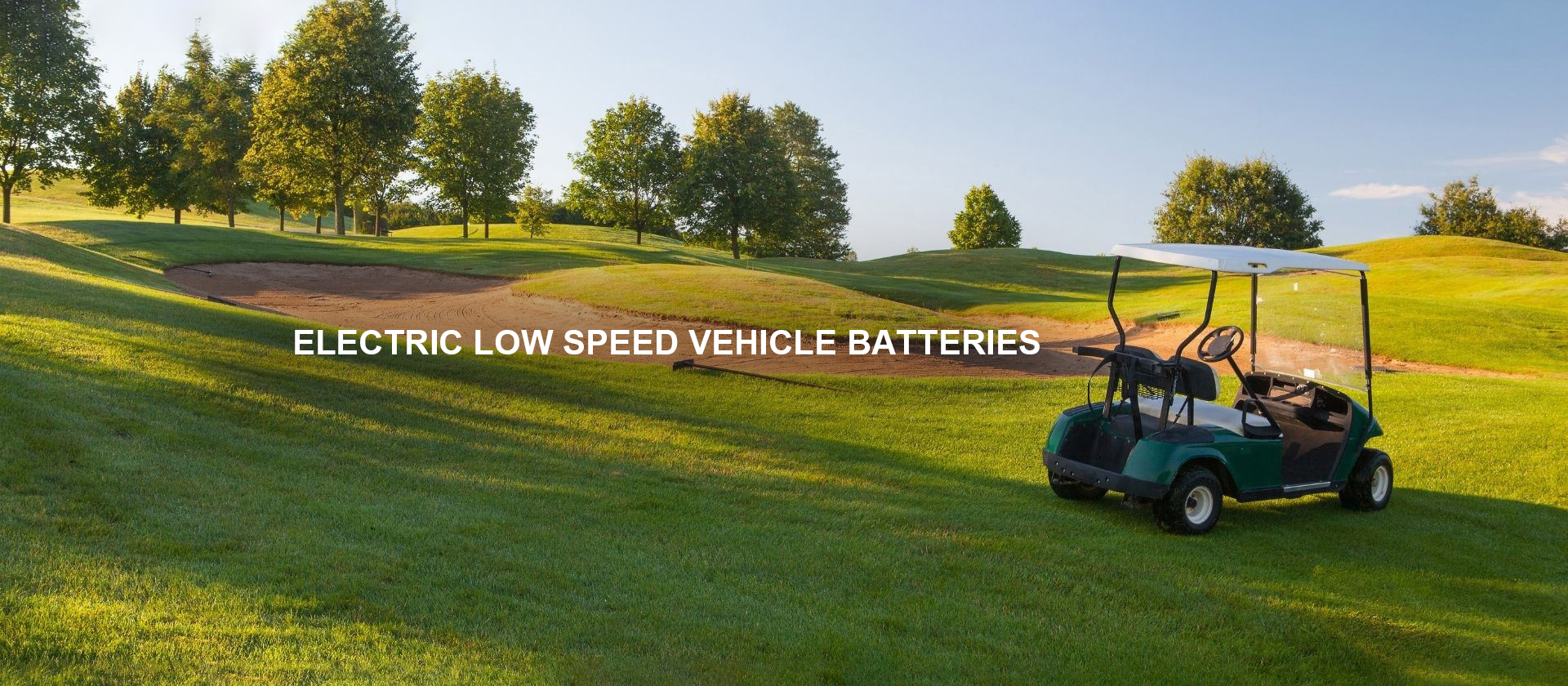
Golf Carts & Resort Vehicles – Quiet operation, extended range, and reduced downtime improve customer experience.
Electric Tricycles & Tuk-Tuks – High energy efficiency supports daily urban transport and delivery services.
Neighborhood Electric Vehicles (NEVs) – Ideal for short-distance commuting with improved safety and reliability.
Industrial Utility Vehicles – Used in warehouses, factories, and airports where consistent performance is critical.
Tourism Sightseeing Vehicles – Long runtime and low maintenance enhance operational efficiency.
Switching from lead-acid to lithium-ion batteries provides measurable performance and economic benefits:
Weight Reduction: Up to 50–70% lighter, improving vehicle efficiency
Maintenance-Free: No need for watering or equalization charging
Deep Discharge Capability: Higher usable capacity (up to 90%)
Eco-Friendly: Lower environmental impact and higher recyclability
Lower Total Cost: Higher upfront cost but significantly lower lifecycle cost
A high-quality lithium-ion battery for LSVs integrates an advanced Battery Management System (BMS) that ensures:
Overcharge and over-discharge protection
Short circuit and thermal protection
Cell balancing for consistent performance
Real-time monitoring of voltage, current, and temperature
This intelligent system enhances battery safety, extends lifespan, and ensures reliable operation under varying conditions.
For OEMs and distributors, customization is a key factor in selecting the right lithium battery solution. Professional manufacturers offer:
Flexible Voltage Options (e.g., 24V, 36V, 48V, 60V, 72V)
Capacity Customization based on vehicle range requirements
Compact and Modular Design for easy integration
CAN/RS485 Communication Protocols for smart vehicle systems
Branding and OEM/ODM Support
Custom solutions allow LSV manufacturers to differentiate their products and meet specific market demands.
Lithium-ion batteries are designed to perform reliably across a wide range of environments:
High Temperature Resistance for tropical regions
Cold Weather Performance Optimization with optional heating systems
Waterproof and Dustproof Design (IP Rating) for outdoor applications
This adaptability ensures consistent operation whether used in urban streets, coastal resorts, or industrial zones.
The global shift toward electrification and sustainable transport continues to drive innovation in lithium battery technology for low-speed vehicles:
Integration with smart energy management systems
Growth of swappable battery solutions
Increased adoption of LiFePO4 (LFP) chemistry for enhanced safety
Expansion of fast-charging infrastructure
These trends are shaping the next generation of efficient and intelligent LSV power systems.
Selecting a reliable supplier is critical for ensuring product quality and long-term performance. Key factors to consider include:
Manufacturing experience and certifications (ISO, CE, UN38.3, MSDS)
Proven track record in LSV or EV battery applications
Custom engineering capabilities
Quality control and testing standards
After-sales support and warranty policies
Lithium-ion batteries are transforming the low-speed vehicle industry by delivering superior performance, longer lifespan, and lower operational costs. Whether for golf carts, electric tricycles, or industrial vehicles, adopting lithium battery technology is a forward-looking investment that enhances efficiency and sustainability.
For manufacturers and fleet operators, partnering with an experienced lithium battery supplier ensures access to high-quality, customizable solutions that meet evolving market demands.