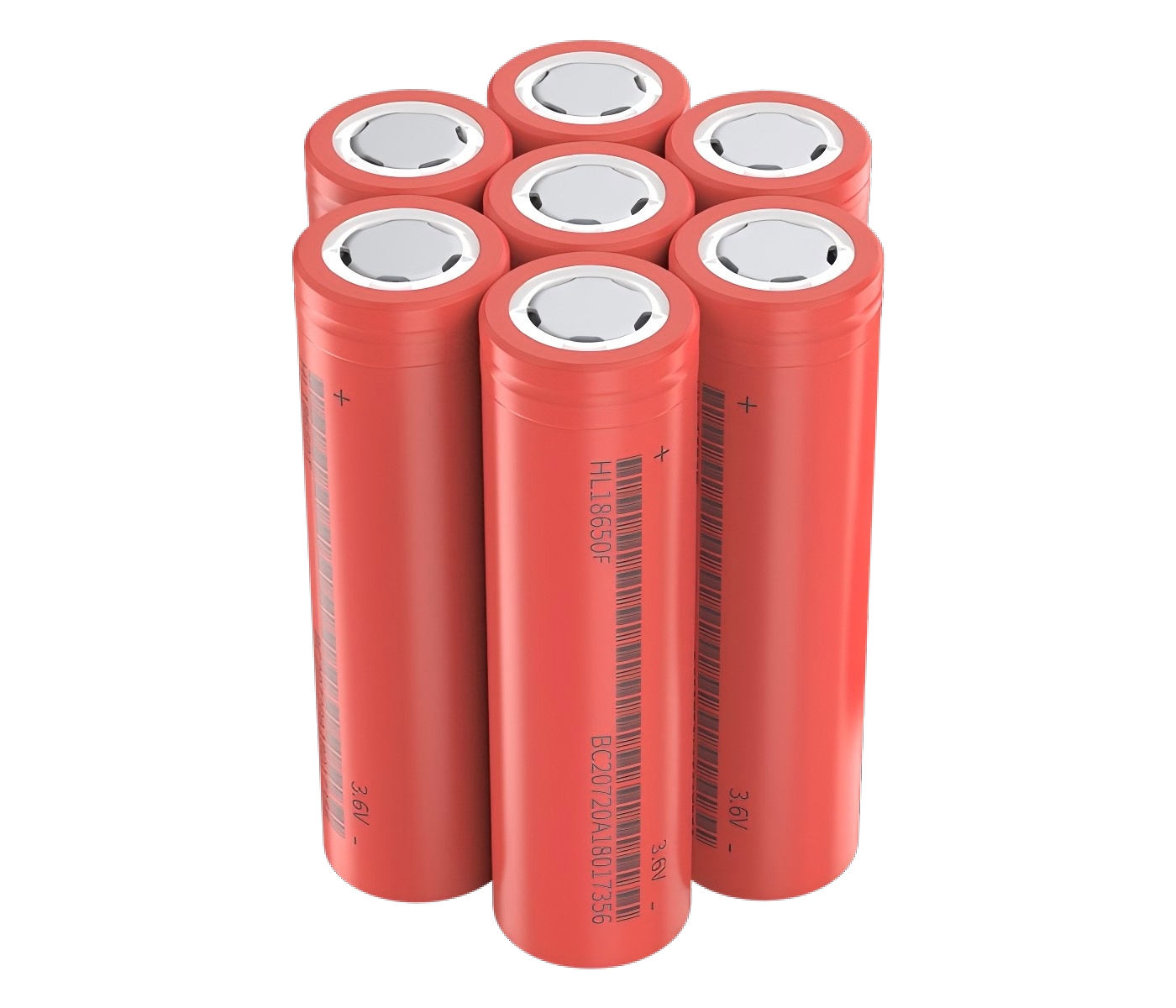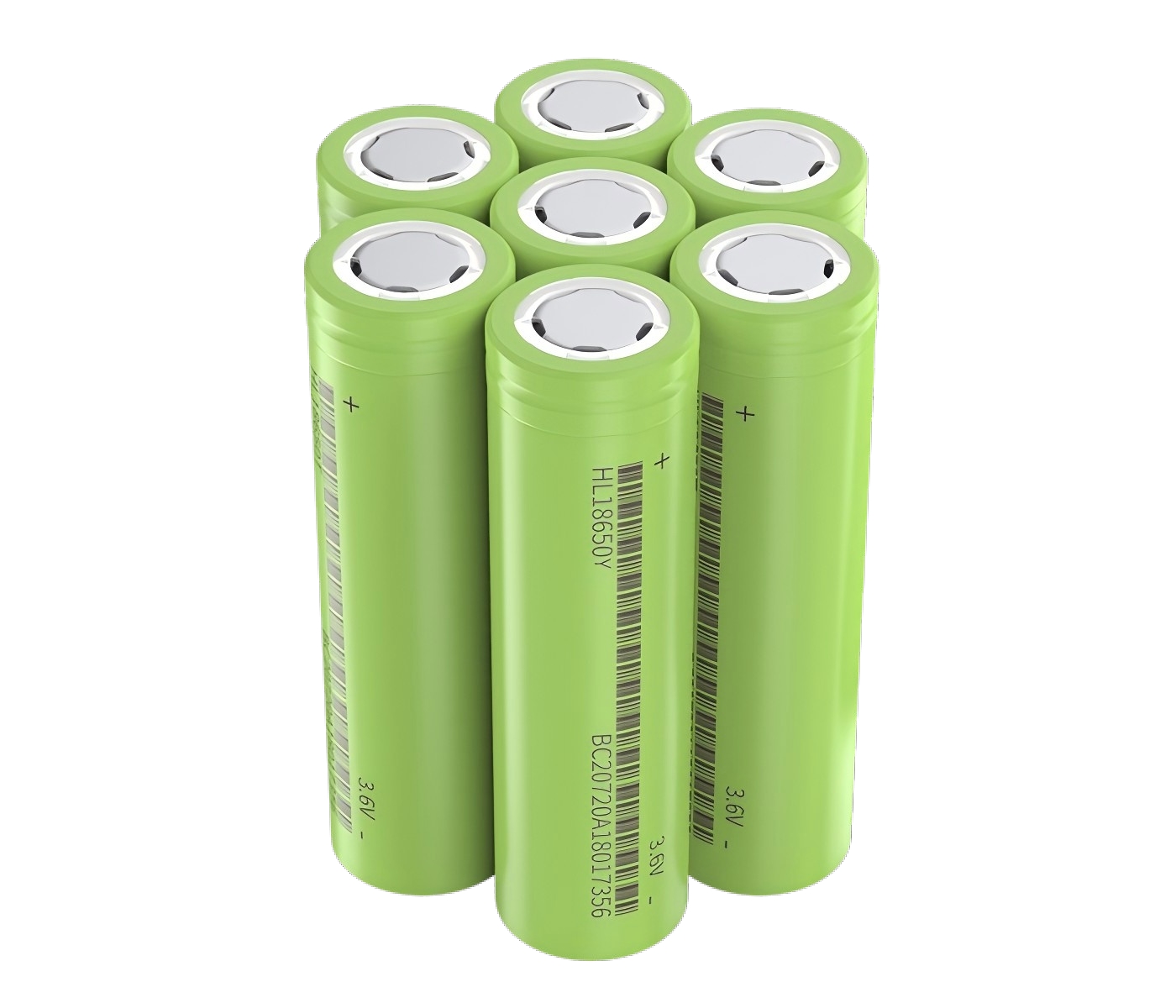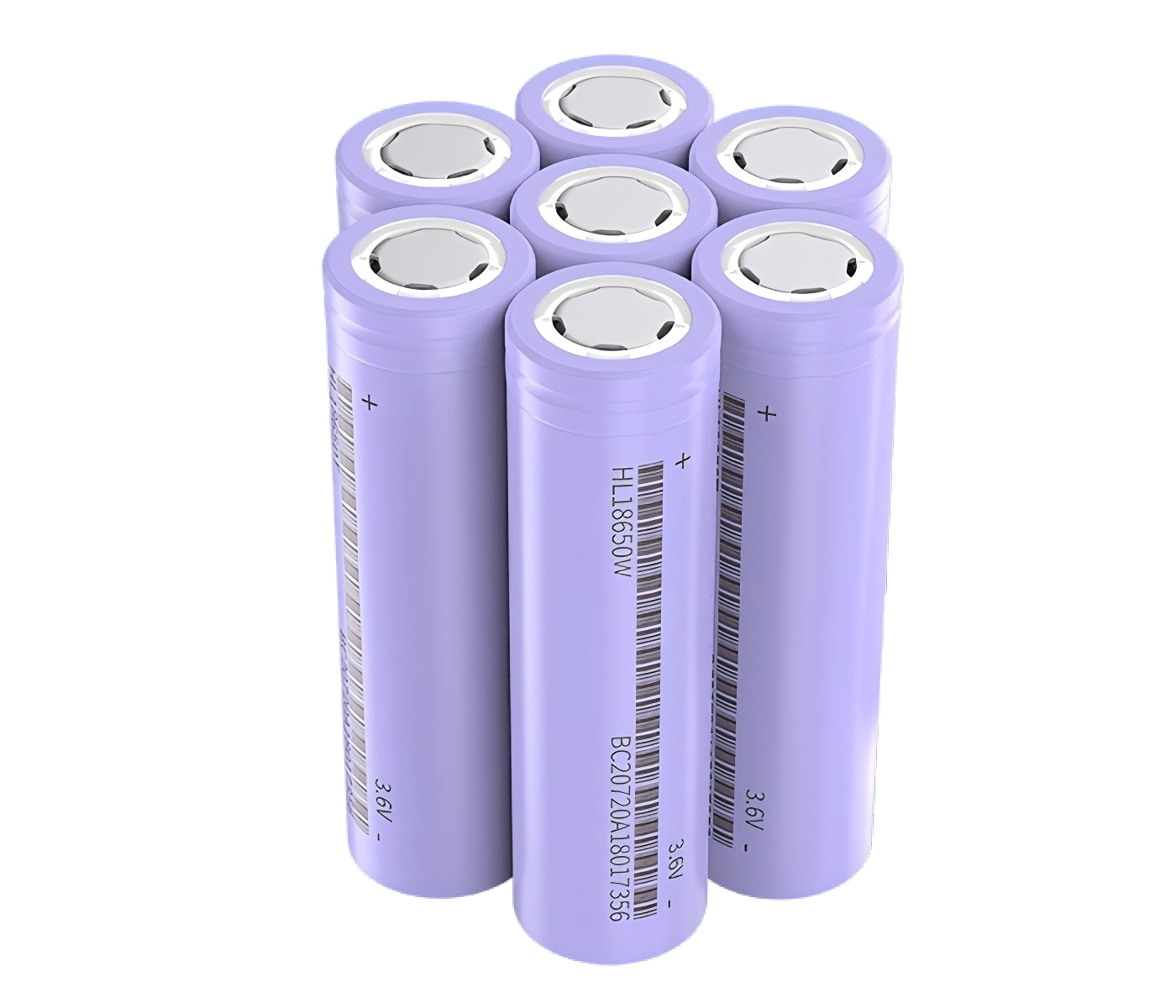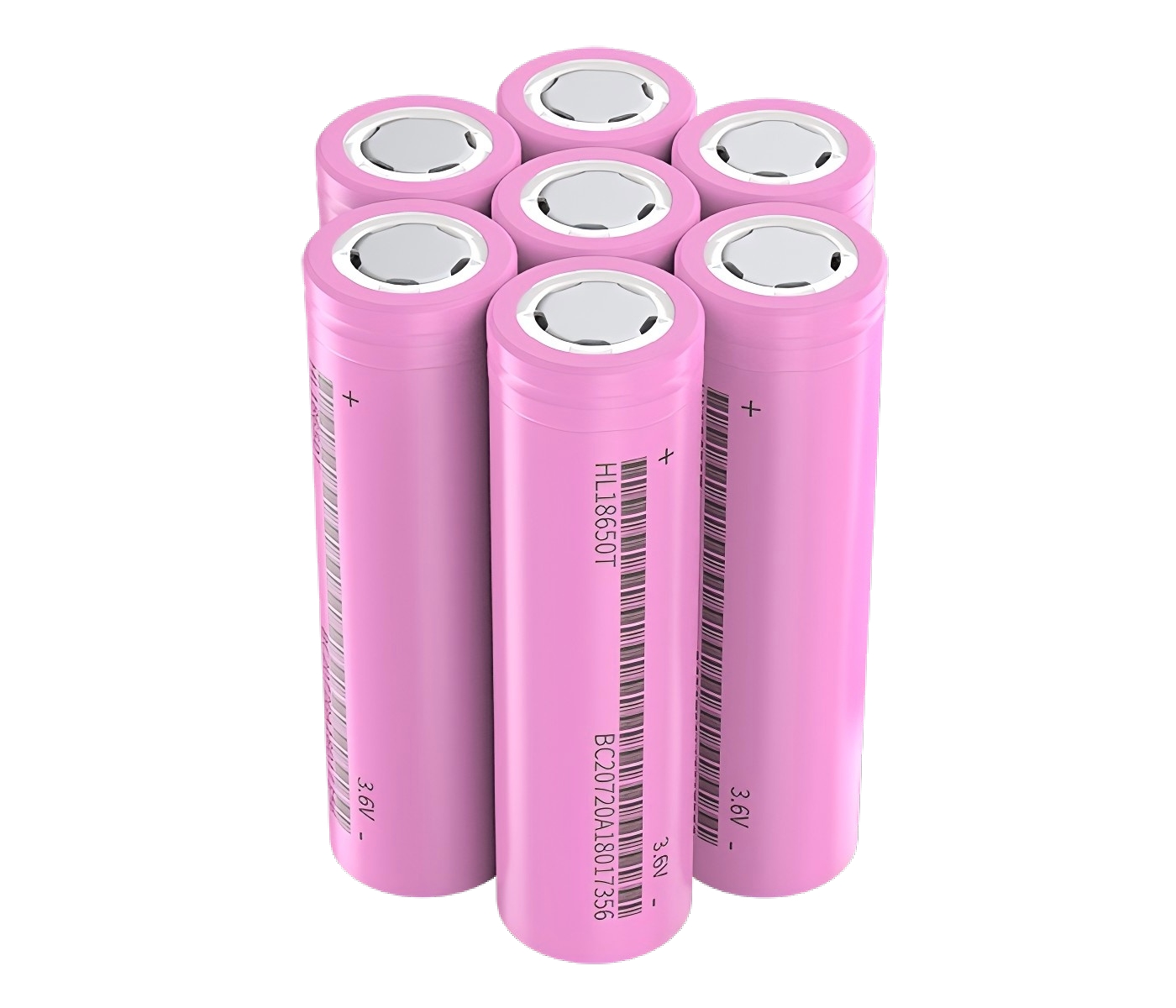
Wide-temperature range lithium-ion battery cells
Wide-temperature range lithium-ion battery cells are engineered to operate reliably in extreme environmental conditions, making them an ideal power solution for applications exposed to harsh climates. From freezing cold regions to high-temperature industrial environments, these advanced battery cells ensure stable performance, enhanced safety, and extended service life where standard batteries often fail.
Conventional lithium-ion batteries typically perform best within a narrow temperature range. However, wide-temperature lithium battery cells are specifically developed with optimized materials, electrolytes, and cell structures to function efficiently across a much broader spectrum—commonly from -40°C to 60°C or higher.
This capability makes them indispensable for industries where environmental conditions are unpredictable or severe.
Reliable Performance in Cold Conditions
In low temperatures, traditional batteries suffer from capacity loss and reduced discharge efficiency. Wide-temperature cells maintain higher capacity retention and stable discharge performance, ensuring equipment continues to operate even in sub-zero climates.
High-Temperature Stability
These cells are designed with enhanced thermal stability, reducing the risk of overheating and performance degradation in hot environments. This ensures consistent output and improved safety in high-temperature applications.
Extended Cycle Life
By minimizing thermal stress and optimizing internal chemistry, wide-temperature lithium-ion cells achieve longer cycle life compared to standard batteries used outside their ideal temperature range.
Improved Safety Features
Advanced materials and integrated protection mechanisms help prevent thermal runaway, overcharging, and short circuits, even under extreme operating conditions.
Consistent Power Output
Maintains stable voltage and discharge rates across varying temperatures, supporting sensitive electronics and mission-critical systems.
Wide-temperature lithium-ion battery cells incorporate several key innovations:
Specialized Electrolytes that remain stable and conductive at low and high temperatures
Optimized Cathode and Anode Materials for improved thermal tolerance
Low-Resistance Cell Design to enhance efficiency in cold environments
Advanced Sealing and Packaging to protect against moisture and environmental stress
These technologies work together to ensure reliable operation across diverse climates.
Wide-temperature lithium-ion battery cells are widely used in industries where environmental resilience is essential:
Outdoor Energy Storage Systems – Reliable operation in remote or off-grid locations
Telecommunications Equipment – Stable backup power for base stations in extreme climates
Electric Vehicles (EVs) & Low-Speed Vehicles – Improved cold start and high-temperature endurance
Aerospace and Defense – Critical performance under demanding conditions
Oil & Gas and Mining Equipment – Reliable power in harsh industrial environments
Cold Chain Logistics – Ensures uninterrupted operation in refrigerated transport systems
Manufacturers often provide tailored solutions to meet specific project requirements, including:
Custom voltage and capacity configurations
Integration with intelligent Battery Management Systems (BMS)
Heating elements for ultra-cold environments
Rugged enclosures with high IP ratings
Communication protocols for remote monitoring (CAN, RS485)
These customization options enable seamless integration into various systems and applications.
Wide-temperature lithium-ion cells not only improve performance but also contribute to operational efficiency and sustainability:
Reduced maintenance and replacement frequency
Lower total cost of ownership over time
Enhanced energy efficiency across temperature ranges
Reduced downtime in critical operations
Wide-temperature range lithium-ion battery cells are a critical advancement in energy storage technology, offering unmatched reliability across extreme environmental conditions. Their ability to maintain performance in both high and low temperatures makes them an essential choice for industries that demand durability, safety, and efficiency.
For businesses operating in challenging climates, investing in wide-temperature lithium battery solutions ensures consistent performance, reduced operational risk, and long-term value.