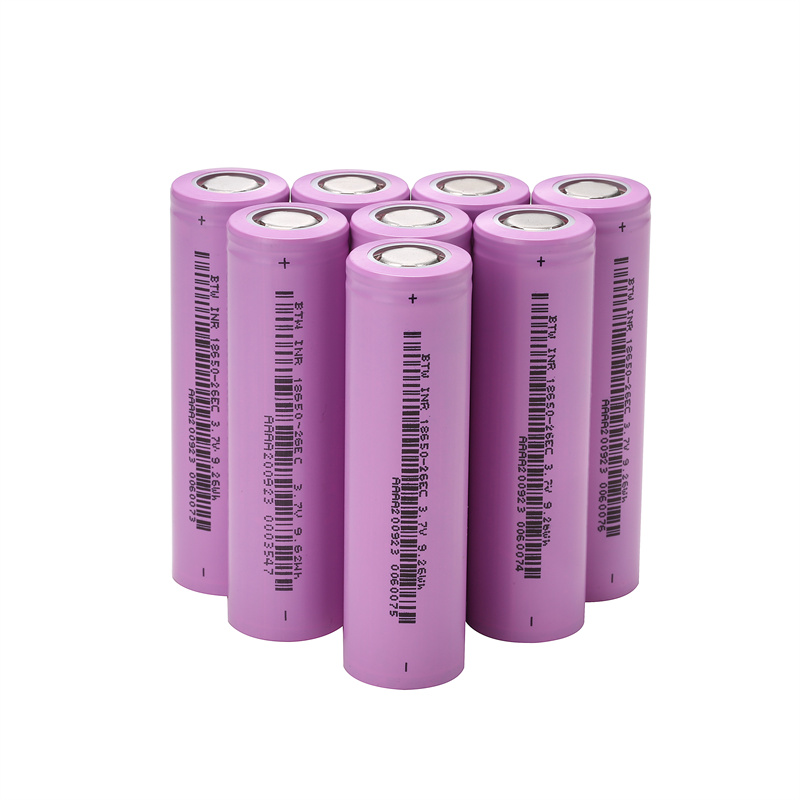
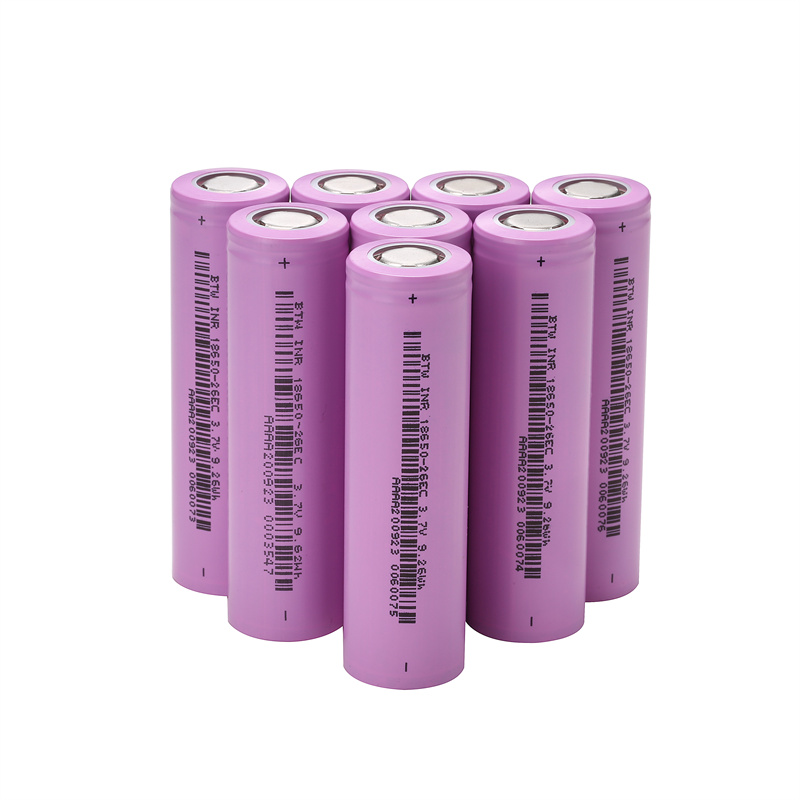
18650 lithium-ion cells are widely used in battery packs for portable electronics, power tools, electric vehicles, energy storage systems, and custom battery applications. Although high-quality 18650 cells can typically support hundreds of charge cycles, their actual lifespan depends heavily on how they are charged, discharged, stored, and managed.
Proper battery maintenance can significantly reduce capacity degradation and improve long-term performance. This article explains practical methods to extend the lifespan of 18650 cells and maximize their reliability.
1. Avoid Deep Discharging 18650 Cells
One of the most effective ways to extend 18650 battery life is preventing excessive discharge.
Most standard lithium-ion 18650 cells have a recommended operating voltage range of approximately:
Fully charged: 4.2V
Nominal voltage: 3.6V–3.7V
Recommended discharge cutoff: around 2.5V–3.0V (depending on cell specifications)
Repeatedly discharging cells to very low voltage can accelerate:
Electrode degradation
Capacity loss
Increased internal resistance
Reduced cycle life
For longer lifespan, avoid regularly draining an 18650 cell completely. Maintaining the battery between moderate charge levels is generally better than frequently using the entire capacity.
2. Avoid Keeping Cells at 100% Charge for Long Periods
Lithium-ion cells experience higher chemical stress when stored at full charge.
Keeping an 18650 cell continuously at 4.2V can accelerate:
Electrolyte oxidation
Cathode material degradation
Capacity reduction
For storage periods longer than a few weeks, a charge level of approximately 40%–60% is often recommended.
A stored 18650 cell should ideally be:
Kept away from direct sunlight
Stored in a dry environment
Protected from extreme temperatures
Checked periodically for voltage drop
3. Maintain Proper Charging Practices
The charging method has a major impact on 18650 lifespan.
Use a Compatible Lithium-Ion Charger
Always use a charger designed for lithium-ion batteries with proper:
Constant current (CC) charging
Constant voltage (CV) charging
Overcharge protection
Avoid chargers with unstable voltage output, as overcharging can permanently damage lithium cells.
Avoid Unnecessary Fast Charging
Fast charging is convenient, but excessive charging current increases:
Heat generation
Internal chemical stress
Lithium plating risk
For better lifespan, charge at a moderate current whenever possible.
For example:
Lower charging current → less heat → longer cycle life
Higher charging current → faster charging but more stress
Always follow the manufacturer's recommended charging current.
4. Keep 18650 Cells at Moderate Temperatures
Temperature is one of the biggest factors affecting lithium battery aging.
Avoid High Temperatures
Heat accelerates chemical reactions inside the cell and can cause faster degradation.
Avoid:
Leaving battery packs in hot vehicles
Charging near heat sources
Operating cells above their rated temperature range
High temperatures may lead to:
Faster capacity loss
Increased internal resistance
Shorter service life
Avoid Charging Below Freezing Temperatures
Charging lithium-ion cells below 0°C can cause lithium plating on the anode, which may permanently reduce performance.
If used in cold environments:
Warm the battery before charging
Use a battery pack with thermal management
5. Avoid Excessive Discharge Current
Every 18650 cell has a maximum continuous discharge rating (CDR).
Using a battery beyond its rated current can create excessive heat and accelerate aging.
For example:
A high-drain power tool may require cells designed for higher current output, while low-power electronics may use standard energy cells.
Selecting the correct cell type helps prevent:
Overheating
Voltage sag
Reduced capacity
Safety risks
Always match the cell specification with the application requirements.
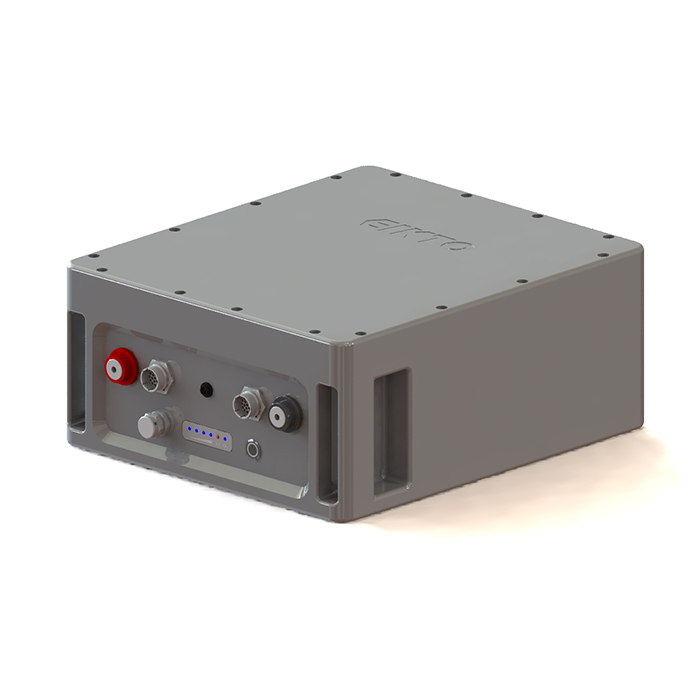
6. Use a Battery Management System (BMS) for Battery Packs
When multiple 18650 cells are connected into a battery pack, a Battery Management System is essential.
A quality BMS provides protection against:
Overcharging
Over-discharging
Overcurrent
Short circuits
Temperature abnormalities
For multi-cell packs, balancing is especially important.
Cell imbalance can cause:
Some cells reaching full voltage earlier
Some cells becoming over-discharged
Reduced overall pack capacity
A proper BMS helps maintain balanced operation and extends pack lifespan.
7. Avoid Frequent Full Charge Cycles
A complete charge cycle means using 100% of a battery's capacity, not necessarily charging once.
For example:
Using 50% capacity today and 50% tomorrow = one full cycle
Lithium-ion cells generally last longer when operated within a moderate charge range.
Instead of repeatedly cycling:
100% → 0% → 100%
Consider:
80% → 30% → 80%
Shallower discharge cycles usually reduce battery stress and improve cycle life.
8. Balance Cells Properly in Battery Packs
For battery packs containing multiple 18650 cells, cell matching is important.
Cells connected together should ideally have similar:
Capacity
Internal resistance
Voltage characteristics
Manufacturing batch
Poorly matched cells can cause:
Uneven charging
Reduced usable capacity
Faster aging of weaker cells
Professional battery pack manufacturers typically perform:
Capacity testing
Internal resistance testing
Voltage matching
before assembly.
9. Store 18650 Cells Correctly
Proper storage helps slow natural battery aging.
Recommended storage practices:
Charge Level
Keep cells around:
40%–60% charge for long-term storage
Environment
Store in:
Cool locations
Dry conditions
Non-conductive containers
Avoid:
Metal containers where terminals may short
High humidity environments
Extreme temperature locations
Regular Inspection
Check stored cells periodically for:
Voltage loss
Physical damage
Swelling
Leakage
Damaged lithium cells should not continue to be used.
10. Choose High-Quality 18650 Cells
Battery lifespan also depends heavily on cell quality.
Reliable 18650 cells usually provide:
More consistent capacity
Lower internal resistance
Better cycle performance
Improved safety characteristics
When selecting cells, consider:
Manufacturer reputation
Rated capacity
Continuous discharge current
Cycle life specifications
Protection requirements
Low-quality or counterfeit cells often show:
Lower actual capacity than labeled
Faster degradation
Poor safety performance
11. Monitor Battery Health Regularly
For applications requiring long-term reliability, monitor:
Voltage
Capacity
Charging cycles
Internal resistance
Temperature
Increasing internal resistance is often an early indicator of aging.
Battery testing equipment can help identify:
Weak cells in a pack
Capacity loss
Abnormal performance
Common Mistakes That Shorten 18650 Lifespan
Mistake
Effect on Battery
Leaving cells fully charged for months
Accelerates aging
Frequent deep discharge
Reduces cycle life
Charging in extreme cold
Causes lithium plating
Overheating during operation
Increases degradation
Using wrong charger
Risk of overcharge
Exceeding discharge rating
Generates excessive heat
Mixing old and new cells
Causes imbalance
How Long Do 18650 Cells Usually Last?
The lifespan of an 18650 cell depends on chemistry, quality, usage conditions, and battery management.
Typical ranges:
Consumer lithium-ion 18650 cells: 300–800 cycles
High-quality Li-ion cells under controlled conditions: 800+ cycles
Properly managed industrial battery packs: potentially several years of service
Actual lifespan is determined more by operating conditions than by time alone.
Conclusion
Extending 18650 cell lifespan mainly depends on reducing battery stress. Avoid deep discharge, prevent overheating, use proper charging methods, maintain balanced battery packs, and store cells correctly.
For manufacturers and users of 18650 battery packs, combining high-quality cells with a reliable BMS and appropriate charging strategy is the most effective way to achieve longer service life, stable performance, and improved safety.