Battery Knowledge
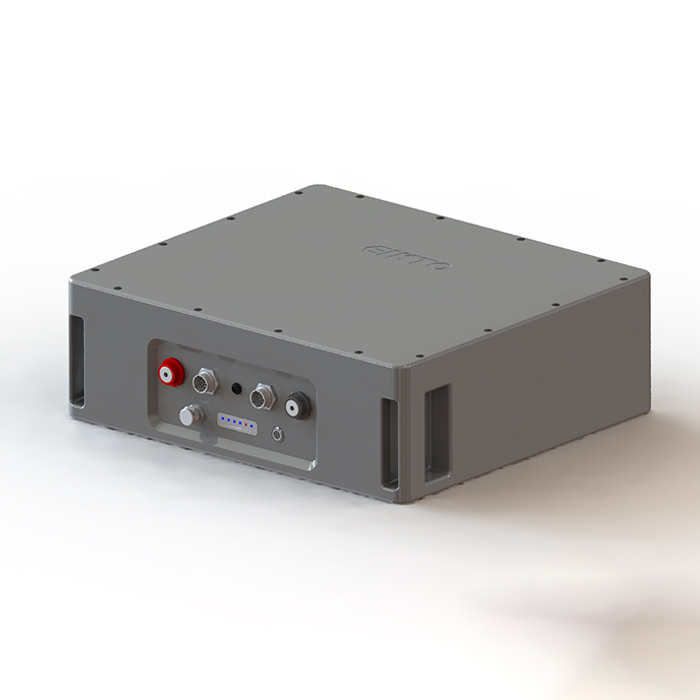
Selecting a Marine Battery supplier for an OEM project is a product, quality, and supply-chain decision, not simply a price comparison. Purchasing teams need to confirm technical compatibility, verify manufacturing controls, evaluate sample performance, and reduce the risk of delays or field failures. This step-by-step guide brings those priorities together so your engineering, quality, and sourcing teams can make a documented decision. MATELION can be included in your supplier evaluation alongside other candidates using the same requirements and evidence.
Start with a written brief that describes how the battery will be used and what the finished product must do. Suppliers cannot provide a meaningful quotation or recommend a suitable design if the application, operating conditions, and integration requirements are unclear.
Application: Identify the vessel type and whether the battery serves starting, house, propulsion, emergency, or auxiliary loads.
Electrical requirements: State nominal voltage, capacity, peak current, continuous current, charge profile, and any required series or parallel configurations.
Operating conditions: Specify expected temperature range, humidity, vibration, shock, water exposure, and storage conditions.
Physical limits: Provide maximum dimensions, weight, mounting position, terminal type, cable orientation, and enclosure constraints.
Service expectations: Define target cycle life, warranty period, maintenance expectations, and intended operating profile.
Commercial needs: Estimate annual volume, launch quantity, forecast horizon, pilot schedule, and expected product lifecycle.
Integration needs: List charger, alternator, inverter, monitoring system, communication protocol, and battery management system requirements.
Mark each requirement as mandatory, preferred, or optional. Mandatory items can include safety approvals, a required footprint, minimum current, or a customer-specific test. This prevents teams from accepting a low-cost proposal that cannot meet the design or compliance needs. Record open questions and assign an owner from engineering, quality, or purchasing.
Request a current datasheet and review the battery as part of the complete vessel electrical system. Two products with the same nominal voltage and capacity may differ in usable energy, discharge limits, charge acceptance, temperature behavior, protection features, or expected service life.
Confirm chemistry and whether it suits the use case, charging equipment, and maintenance plan.
Check nominal voltage, rated capacity, test conditions, usable capacity, and allowable depth of discharge.
Review continuous and peak discharge current, duration limits, and recovery requirements.
Verify recommended charging voltage, maximum charge current, temperature compensation, and charger compatibility.
For lithium designs, review the battery management system, cell balancing, overcurrent protection, low and high temperature cutoffs, and fault reporting.
Check series and parallel limits, including any restrictions on mixing batteries by age, state of charge, or production lot.
Confirm dimensions, mass, terminals, enclosure materials, ingress protection claims, and mounting instructions.
Ask for performance data across the temperature range and at the discharge rates relevant to the vessel.
Ask the supplier to review the charger, alternator, inverter, cabling, fuse, and monitoring setup. Request written guidance on charging and installation limits rather than relying on informal assurances. If a communication interface is required, document the protocol, message definitions, software version control, and responsibility for integration testing.
Ask for current certificates, test reports, and declarations relevant to the exact battery model and intended market. Check the issuing body, model number, date, factory scope, and whether the document covers the configuration being quoted. A certificate for a related product or a different factory may not establish compliance for your project.
Quality management system certificates and the manufacturing site covered by each certificate.
Applicable safety, transport, environmental, and market compliance documentation.
Product test reports for electrical performance, vibration, temperature, ingress protection, and other agreed conditions.
Incoming inspection, in-process inspection, final test, calibration, and nonconformance procedures.
Serial number or lot traceability from cells and components through finished goods.
Change control process for cells, materials, firmware, suppliers, and production locations.
Warranty terms, failure analysis process, corrective action process, and field issue escalation contacts.
Ask how the factory controls critical characteristics such as cell matching, connection quality, sealing, software loading, and final electrical testing. Request anonymized examples of inspection records or corrective action reports where available. Strong suppliers can explain how they contain suspect product, identify affected lots, determine root cause, and verify that corrective actions work.
Ask the supplier to identify standard components and proposed custom work separately. OEM customization may involve enclosure dimensions, terminals, labels, firmware, communication behavior, mounting features, packaging, or performance tuning. For each custom item, document ownership, tooling cost, development time, validation responsibility, and approval milestones.
Request evidence that the supplier can support prototype builds, qualification quantities, launch demand, and forecasted production. Discuss bottleneck components, lead times, minimum order quantities, factory loading, backup production plans, and component obsolescence. Ask how the supplier will notify your team before a material, cell, firmware, or process change and whether approval is required before implementation.
Request a sample project schedule with engineering, tooling, testing, and production milestones.
Confirm monthly capacity, surge capacity, forecast commitment rules, and allocation policy during shortages.
Review supplier and sub-supplier continuity plans for critical cells and electronic components.
Agree on engineering change notices, first article approval, and production release criteria.
Do not treat a supplier sample as proof of production readiness. Define acceptance criteria, test methods, sample size, environmental conditions, and responsibilities before testing begins. Include engineering, quality, and service teams when their requirements affect the final decision.
Inspect dimensions, mass, labels, terminals, packaging, and workmanship against the approved drawing.
Measure voltage, capacity, internal resistance, current delivery, and charge behavior using agreed methods.
Test integration with the intended charger, alternator, inverter, monitoring equipment, and protection devices.
Run vibration, temperature, humidity, ingress, or endurance tests where required by the application and applicable standards.
Check battery management system alerts, protection events, communications, and recovery behavior where applicable.
Record serial numbers, test equipment, calibration status, operating conditions, results, and deviations.
When a sample fails, document the failure and send the evidence to the supplier. Require containment, root cause, corrective action, and retest results before accepting a revised design. Keep sample approval separate from final production approval, and verify that approved samples represent the materials, software, and manufacturing process intended for mass production.
Compare quotations on the same technical basis. The lowest unit price may not be the lowest project cost if it excludes tooling, testing, packaging, freight, duties, warranty exposure, or inventory needed to cover long lead times.
Compare unit price at the same volume tiers and configuration.
List nonrecurring engineering, tooling, certification, sample, and validation charges.
Include packaging, shipping terms, freight, duties, insurance, and payment terms.
Estimate inventory carrying cost, expected yield loss, warranty cost, and service replacement needs.
Review price adjustment rules for changes in cells, materials, currency, or freight.
Use a weighted scorecard so purchasing, engineering, quality, and operations can compare suppliers consistently. Set weights based on project risk rather than allowing price to dominate by default.
Technical fit and system compatibility: 25 percent.
Quality controls, traceability, and compliance evidence: 20 percent.
Sample performance and engineering responsiveness: 15 percent.
Production capacity and delivery reliability: 15 percent.
Total landed cost and commercial terms: 15 percent.
Warranty, service, and product lifecycle support: 10 percent.
Adjust the weights to match the project and record the evidence behind every score. Treat a failure on a mandatory safety or technical requirement as a disqualifier rather than allowing a high score in another area to offset it.
Keep a shared evaluation file so that decisions are traceable and supplier claims can be verified. The core tools are practical documents and test resources, not just a quotation spreadsheet.
OEM requirements brief and product specification checklist.
Supplier questionnaire covering factory, capacity, quality, compliance, and continuity.
Technical comparison matrix for specifications, interfaces, and deviations.
Document register for certificates, test reports, drawings, and revisions.
Sample validation plan, test equipment list, inspection records, and acceptance criteria.
Supplier scorecard with agreed weights and evidence references.
Total cost of ownership worksheet and delivery milestone tracker.
Risk register covering technical, quality, supply, commercial, and lifecycle risks.
Choosing by unit price without comparing equivalent specifications or landed cost.
Sending vague requirements and assuming the supplier will infer the vessel duty cycle.
Comparing capacity figures without checking test conditions, usable energy, and discharge limits.
Accepting certificates without checking model, factory, scope, validity, and destination market.
Skipping sample testing or relying on a sample that does not match the planned production configuration.
Ignoring charger, alternator, communications, installation, and service integration.
Failing to agree on traceability, change notification, warranty handling, and corrective action expectations.
Approving a supplier without checking capacity, critical component availability, and continuity plans.
Before nomination, close all mandatory requirement gaps, document approved deviations, and agree on the production control plan. Define the first article review, incoming inspection, delivery schedule, warranty process, and escalation contacts in writing. Reassess supplier performance after launch using delivery, defect, response, and corrective action data. Apply the same evidence-based process when reviewing MATELION or any other candidate. A disciplined selection process helps your team choose a Marine Battery supplier that can support both the initial OEM launch and long-term product requirements.

How Waterproof Does a Marine Battery Need to Be?
Nov. 02, 2026
How to Select a Marine Battery Supplier for OEM Projects
Nov. 02, 2026
What Certifications Should a Marine Battery Have?
Nov. 02, 2026
How to Extend 18650 Cell Lifespan?
Sep. 22, 2026
What Are the Advantages of Lithium Marine Batteries?
Sep. 22, 2026