What Are the Advantages of Lithium Marine Batteries?
Sep. 22, 2026
Share:
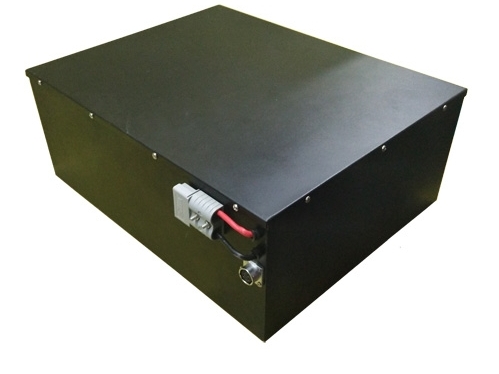
As marine electrical systems become more advanced, traditional lead-acid batteries are gradually being replaced by lithium marine batteries. From fishing boats and yachts to electric vessels and commercial marine equipment, lithium battery technology offers higher efficiency, longer service life, and better energy management.
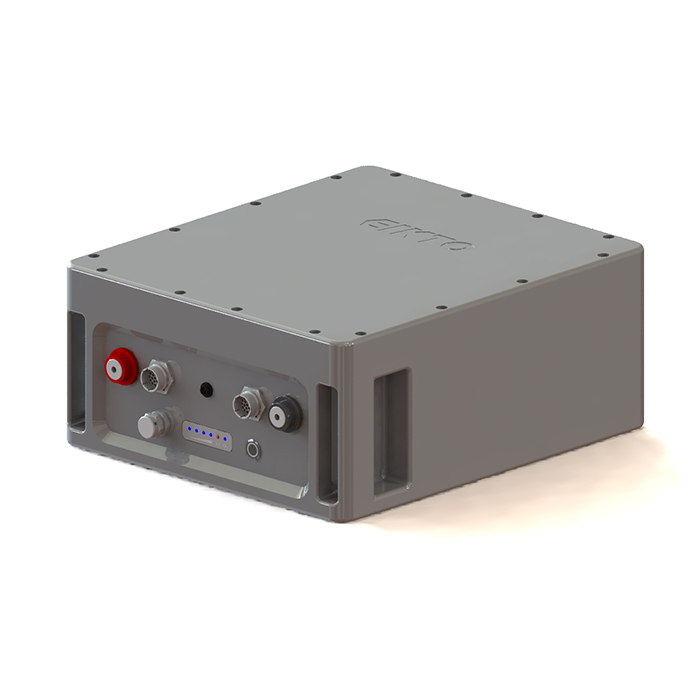
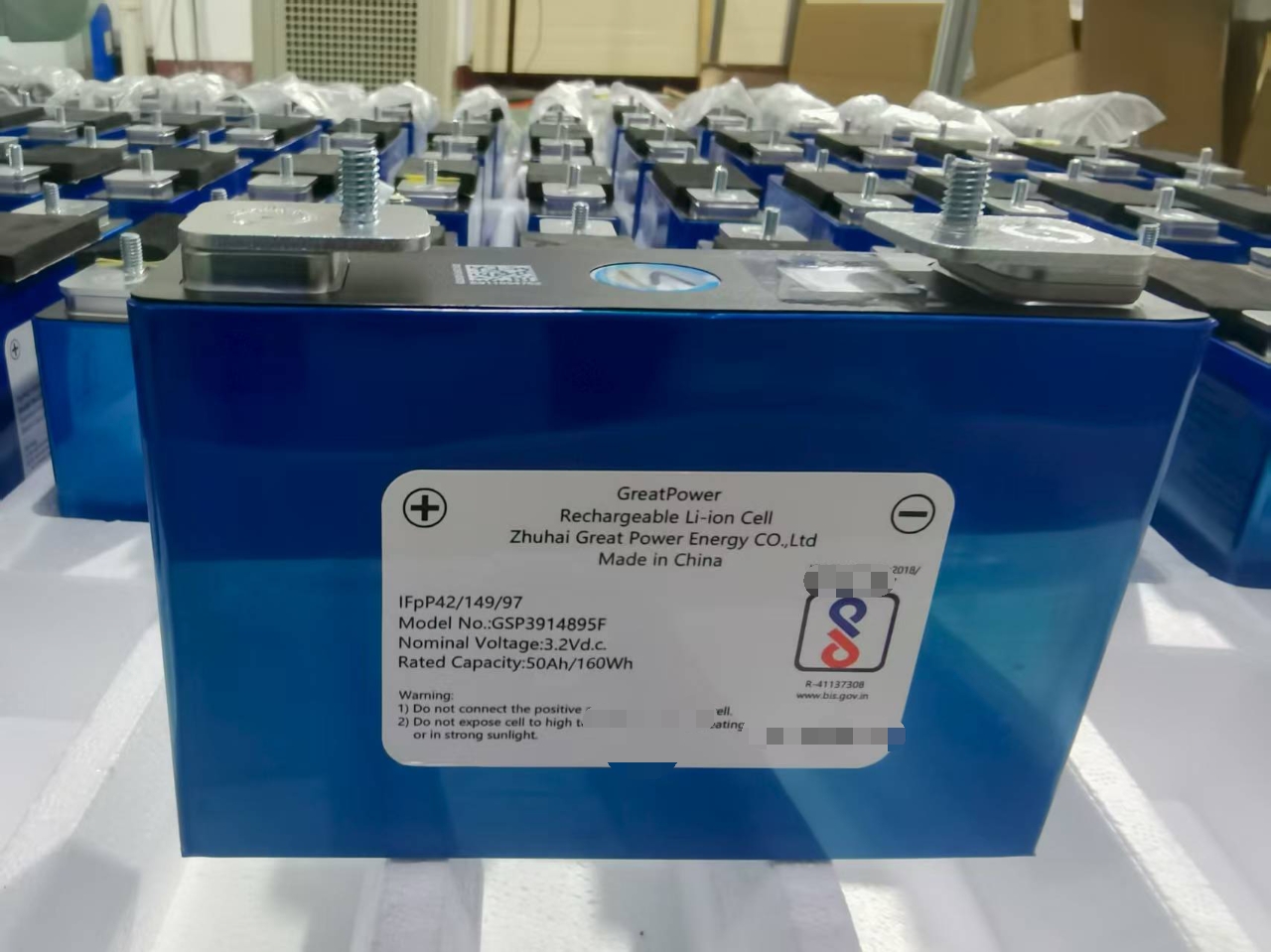
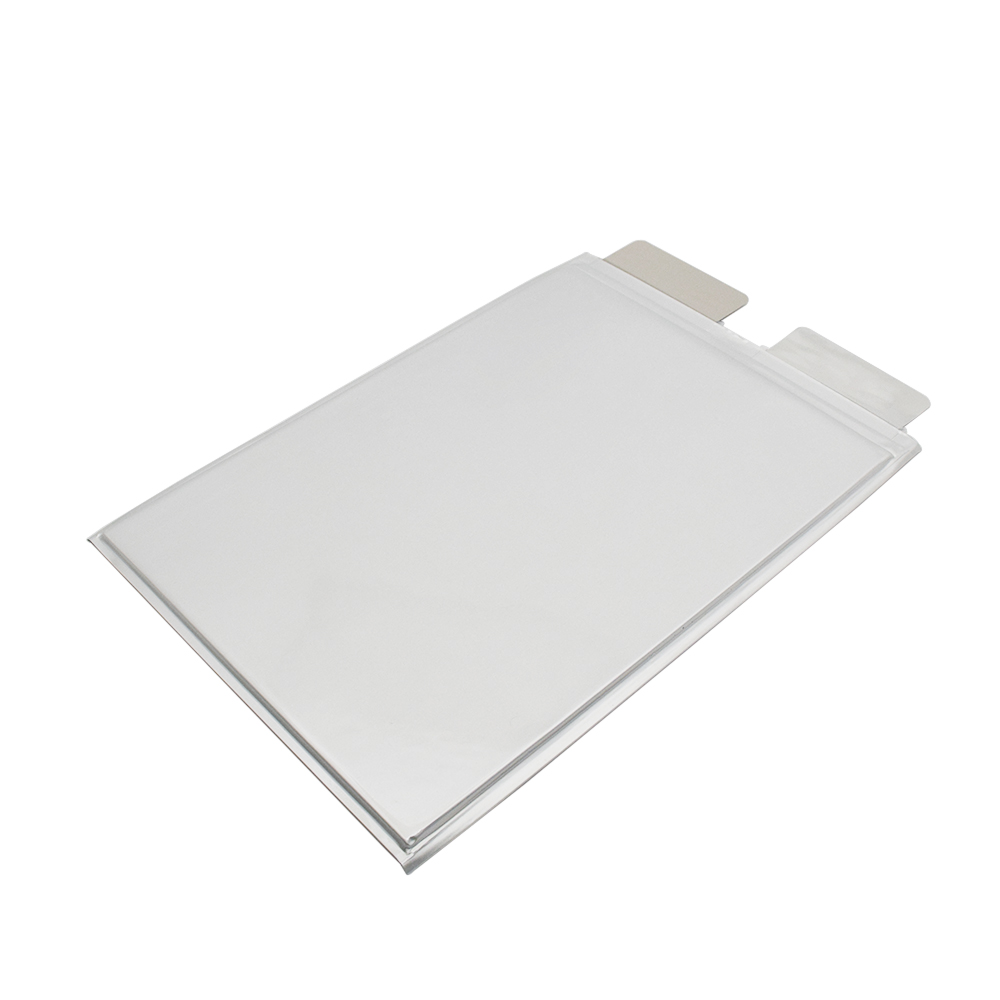
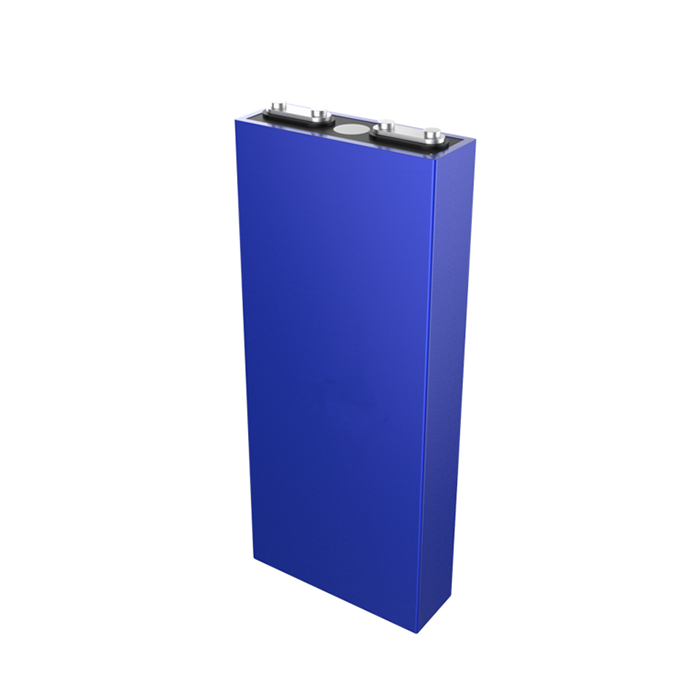
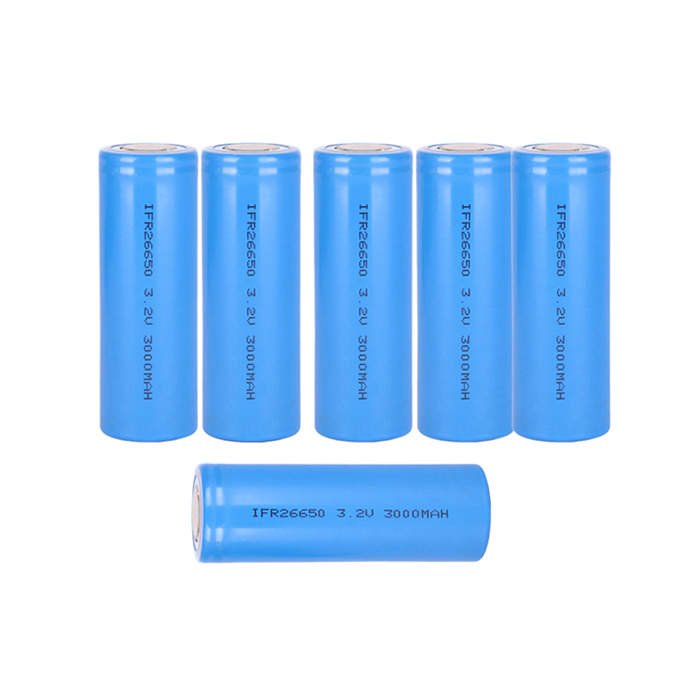
A lithium marine battery, especially a LiFePO4 (Lithium Iron Phosphate) battery, is designed to provide stable power in demanding marine environments. Compared with conventional AGM, gel, and flooded lead-acid batteries, lithium solutions deliver higher usable capacity, faster charging, lighter weight, and improved reliability.
This article explains the key advantages of lithium marine batteries and why more boat owners, marine equipment manufacturers, and energy system integrators are choosing lithium technology.
1. Higher Energy Density with More Power in Less Space
One of the biggest advantages of lithium marine batteries is their high energy density.
Boats have limited installation space, and every kilogram affects performance. Lithium batteries can store more energy in a smaller and lighter package compared with traditional lead-acid batteries.
For example, a lithium battery system can provide similar usable energy with significantly reduced size and weight compared with AGM batteries. This allows boat manufacturers and owners to:
Install larger battery capacity in the same available space
Reduce overall vessel weight
Improve fuel efficiency
Increase cruising range
Reserve more onboard space for equipment or storage
For marine applications where space optimization is critical, such as fishing boats, sailboats, and compact yachts, lithium batteries provide a practical energy storage solution.
2. Lightweight Design Improves Boat Performance
Weight reduction is another major reason why marine users are upgrading to lithium batteries.
Traditional lead-acid batteries contain heavy lead plates and liquid electrolyte, making them difficult to install and adding unnecessary vessel weight.
Lithium marine batteries can reduce battery weight by approximately 50% or more compared with equivalent lead-acid solutions, depending on the battery model and capacity.
The reduced weight can provide several benefits:
Better Fuel Efficiency
A lighter vessel requires less energy to move, which can help reduce fuel consumption during operation.
Lightweight lithium batteries are easier to transport, install, and replace, especially in confined engine compartments or battery lockers.
3. Longer Service Life and Higher Cycle Performance
Battery replacement is one of the biggest long-term costs in marine operations. Lithium marine batteries solve this problem with significantly longer cycle life.
A high-quality LiFePO4 marine battery can typically achieve 2,000 or more charge cycles, with many products designed for several thousand cycles depending on operating conditions. This is considerably higher than many AGM lead-acid batteries, which are often rated for hundreds of cycles.
The longer lifespan means:
Fewer battery replacements
Lower maintenance costs
Reduced downtime
Better return on investment
For commercial fishing fleets, workboats, and frequently used recreational vessels, longer cycle life can create substantial cost savings over the battery's lifetime.
4. Higher Usable Capacity Compared with Lead-Acid Batteries
Battery capacity is not only about the rated Ah value. The actual usable energy is equally important.
Lead-acid batteries generally require a limited depth of discharge to maintain battery health. Lithium marine batteries can typically utilize a much higher percentage of their rated capacity.
For example:
A 100Ah lead-acid battery may provide only around 50Ah of practical usable energy under normal conditions.
A 100Ah lithium battery can provide significantly more usable capacity before recharging is required.
This means lithium batteries can:
Power marine electronics longer
Extend trolling motor operation time
Support longer offshore trips
Reduce the frequency of generator usage
5. Faster Charging and Higher Charging Efficiency
Charging time is critical for marine applications. Whether returning to port after fishing or preparing a vessel for the next trip, faster charging improves operational efficiency.
Lithium marine batteries offer:
Higher charge acceptance
Less energy loss during charging
Faster recovery after discharge
Better compatibility with solar charging systems
Compared with traditional lead-acid batteries, lithium batteries can often accept higher charging currents and reach full charge faster.
This is especially valuable for:
Electric boats
Solar-powered marine systems
Long-distance cruising vessels
Commercial vessels with limited charging windows
6. Stable Voltage Output for Reliable Equipment Operation
Marine electronics require stable power. Voltage fluctuations from traditional batteries can affect sensitive equipment.
Lithium marine batteries maintain a more consistent voltage curve throughout most of the discharge cycle.
This provides stable operation for:
Fish finders
GPS navigation systems
Communication equipment
Electric trolling motors
Marine lighting
Onboard appliances
With stable voltage output, marine devices can operate more efficiently and maintain consistent performance even when battery charge decreases.
7. Built-In Battery Management System (BMS) Enhances Safety
Modern lithium marine batteries usually include an integrated Battery Management System (BMS).
The BMS continuously monitors important parameters, including:
Cell voltage
Charging current
Discharge current
Battery temperature
Overcharge conditions
Over-discharge conditions
The system helps protect the battery from abnormal operating conditions and improves overall reliability.
For marine environments where vibration, humidity, and temperature changes are common, a reliable BMS is an important safety feature.
8. Low Maintenance and Better Environmental Adaptability
Unlike flooded lead-acid batteries, lithium marine batteries do not require:
Water refilling
Acid level checking
Regular corrosion cleaning
They are also resistant to many common marine challenges, including:
Frequent vibration
Limited installation space
Repeated charge and discharge cycles
The maintenance-free design makes lithium batteries suitable for both recreational and commercial marine applications.
9. Better Support for Modern Electric and Hybrid Marine Systems
The marine industry is moving toward cleaner energy solutions, including electric propulsion and hybrid power systems.
Lithium-ion batteries are widely considered a key technology for marine electrification because of their combination of energy density, cycle life, and power capability. They are used in applications ranging from auxiliary power systems to electric and hybrid vessel propulsion.
Typical applications include:
Electric boats
Hybrid yachts
Fishing vessels
Catamarans
Passenger ferries
Marine energy storage systems
Lithium Marine Batteries vs Lead-Acid Batteries
Feature
Lithium Marine Battery
Lead-Acid Marine Battery
Weight
Much lighter
Heavy
Energy density
Higher
Lower
Usable capacity
Higher
Limited depth of discharge
Charging speed
Faster
Slower
Cycle life
Thousands of cycles possible
Hundreds of cycles typically
Maintenance
Minimal
Requires more maintenance
Voltage stability
More consistent
Voltage drops during discharge
Long-term cost
Lower total ownership cost
Higher replacement frequency
Are Lithium Marine Batteries Worth the Investment?
Although lithium marine batteries usually have a higher initial purchase price, their longer lifespan, reduced maintenance requirements, higher usable capacity, and improved efficiency can reduce total ownership costs over time.
They are especially suitable for users who:
Spend many hours on the water
Operate electric trolling motors
Need reliable offshore power
Use multiple marine electronics
Want to reduce vessel weight
Require long-term energy storage performance
For occasional boat users with very limited power requirements, traditional batteries may still meet basic needs. However, for modern marine electrical systems, lithium batteries provide significant performance advantages.
Conclusion
Lithium marine batteries offer a combination of lightweight construction, high energy density, long cycle life, fast charging, stable voltage output, and intelligent protection systems.
As marine equipment continues to evolve toward higher efficiency and electrification, lithium battery technology is becoming an increasingly important power solution for boats, yachts, and commercial vessels.
Choosing the right lithium marine battery depends on vessel type, power requirements, charging system, and operating environment. With proper selection and installation, lithium batteries can provide reliable energy storage and improved performance for years of marine operation.