Industry News
Home > News > Industry News > Lithium Carbonate Bottoms Out and Rebounds: The Era of "Energy Storage Cells Only Getting Cheaper" Is Over
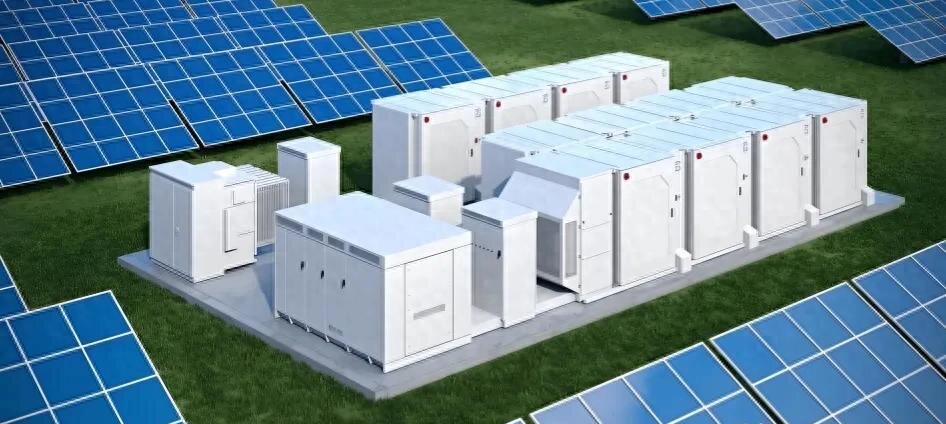
Have you noticed a subtle shift? Discussions within the energy storage industry about cell prices are transitioning from “how much lower will they go?” to “shouldn’t they start rising now?”
For the past two years, “energy storage cells will only get cheaper” has almost become an industry mantra. Prices dropped from 0.9 yuan per Wh to as low as 0.26 yuan per Wh, making “wait and buy later” the default strategy for buyers. But market dynamics in the first half of 2026 are breaking this long-held assumption.
1. Lithium Carbonate "Flips the Table," Redefining Cell Price Trends
The catalyst for price fluctuations comes from upstream.
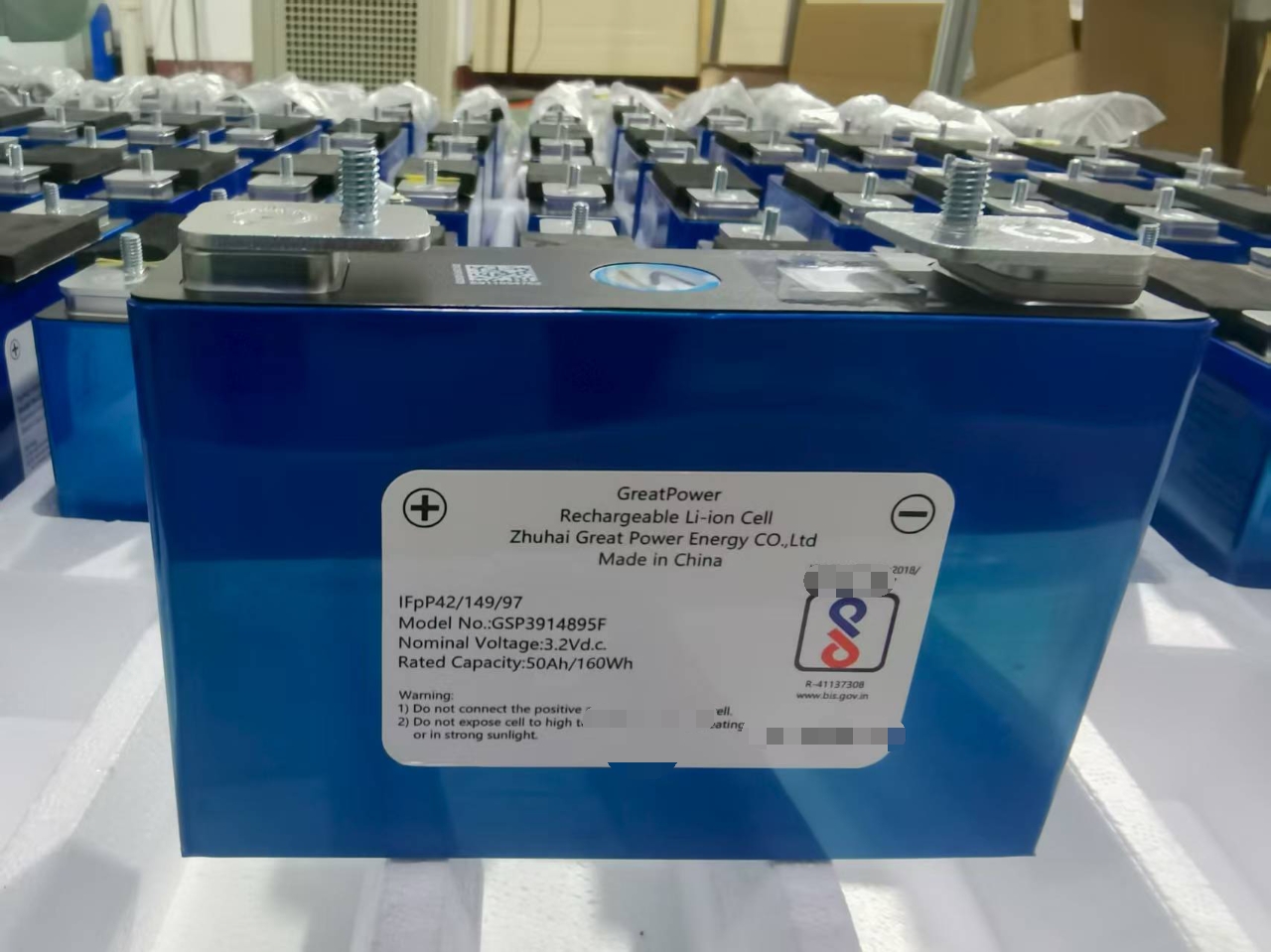
According to data from SMM (Shanghai Metals Market), the energy storage cell market has shown overall stabilization this week. Despite recent volatility in upstream lithium carbonate prices, strong end-user demand continues to tighten supply for 314Ah cells, preventing prices from declining significantly despite cost fluctuations. Mainstream pricing for gigawatt-hour orders remains stable at 0.36–0.37 yuan per Wh.
Frontline notes that InfoLink data shows the current average price for 314Ah energy storage cells is approximately 0.375 yuan per Wh, with some leading manufacturers already quoting above 0.4 yuan per Wh—marking a year-on-year increase exceeding 20%.
This means energy storage cells have not only halted their downward trend but have actually seen a tangible price increase.
2. Demand Fills Production Lines, Eliminating Incentives to Cut Prices
If lithium carbonate volatility represents a “cost factor,” then sustained downstream demand provides the “demand foundation” supporting firm prices.
Data released by GIC Research’s Lithium Battery Institute shows that as of June 28, 35 energy storage companies had disclosed order volumes for the first half of 2026, totaling around 550 GWh. Order volume remained relatively steady from January to March, but surged sharply from April to June, creating a state of supply shortage across the industry.
In 2026, leading energy storage cell manufacturers generally maintained capacity utilization rates above 90%, with some major strategic framework agreements covering production capacity through 2027. The industry now faces a new landscape marked by tight capacity, accumulated backlogs, and extended delivery cycles. Frontline believes this “capacity crunch” means companies no longer need to rely on low-price strategies to win orders—survival is no longer the main concern; now it's about thriving.
InfoLink data indicates global energy storage cell shipments reached 205.52 GWh in Q1 2026, up 98.70% year-on-year.
3. Supply Side "Clears the Field," Intensity of Competition Declines
While demand expands, supply contracts.
Over the past two years, the energy storage sector endured brutal overcapacity and inventory reduction, with lithium carbonate prices plunging to a historic low of 60,000 yuan per ton, pushing most companies into losses. Now, with outdated capacity being phased out, industry concentration has risen dramatically, fundamentally reversing the supply-demand balance.
Industry consolidation is accelerating. In 2025, numerous energy storage firms exited the market, speeding up the elimination of inefficient capacity. In 2026, intensified policy tightening, fluctuating costs, and rapid technological iteration have further accelerated the cleanup process, leaving small and medium-sized enterprises trapped in survival crises while top players race to secure early advantages.
Frontline observes that this increased concentration is reflected in data: according to InfoLink, the CR10 for energy storage cells stands at 85.2%, with CATL, EVE Energy, BYD Energy Storage, and CALB ranking among the top five, accounting for nearly 59% of the market share via CR5. New production lines launched in 2026 are primarily capacity upgrades by leading players, rather than uncontrolled expansion across the entire industry.
4. After Prices Stabilize, What Does the Energy Storage Industry Compete On?
With cell prices stabilizing, the old procurement logic—that waiting makes energy storage projects more profitable—is no longer valid. For EPC contractors and project owners, waiting no longer guarantees lower quotes. The focus of decision-making is shifting from "when to buy cheaper" to "whose product is more reliable."
Frontline believes the biggest change brought by this round of price bottoming may not be reflected in financial statements, but rather in industry mindset—no longer relying on upstream price cuts for profits, but instead turning inward to improve efficiency and upward to pursue technological advancement.
As battery cell prices cease their downward trend, the competitive logic of the energy storage industry is transitioning from a "price war" to a "value war." In its 2026 second-half outlook report, BOC International pointed out that competition is moving away from the "overcapacity race" in hardware production toward a comprehensive contest of scenario operations, power trading, and integrated computing-electricity collaboration.
Conclusion:
The price of 314Ah cells has rebounded from 0.26 yuan/Wh to 0.37 yuan/Wh—a rise of over 20% in half a year. Leading companies maintain capacity utilization rates above 90%, with orders extending into 2027. Industry concentration, measured by CR10, has reached 85%, accelerating the exit of smaller players.
With cost advantages reshuffled, what matters now is whose system efficiency is higher, whose cycle life is longer, and whose levelized cost of storage across the entire lifecycle is lower—this is the true competitive posture for the energy storage industry. The tide of price wars is receding; perhaps the "value war" in energy storage has only just begun.
Whether this price recovery is a short-term fluctuation or a reversal of trend, Frontline believes the answer lies not in futures charts, but in the winning bid price of the next energy storage project.