Industry News
Home > News > Industry News > Energy Storage Surge: 4-Hour Long-Duration Storage Reaches 64%! The Revolution in Storage Duration Is Reshaping the Industry Landscape
If you're still viewing the energy storage industry through the old lens of "mandatory pairing," you may already be a full version behind. With the issuance of Document No. 136 in 2025, mandatory energy storage for new energy projects was officially phased out, sending shockwaves across the market—without administrative mandates, could this industry survive?
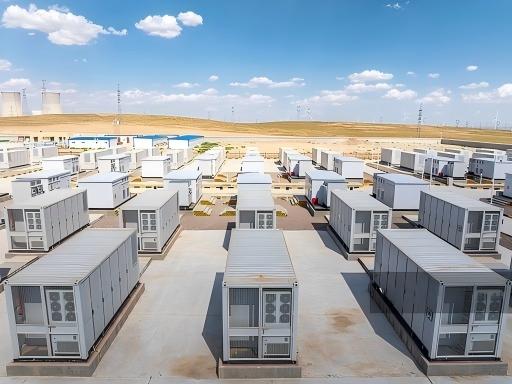
Yet less than a year later, reality delivered the loudest answer. By the end of 2025, China's cumulative installed capacity of new energy storage reached 144.7 GW. Although the growth rate dropped from 127% to 85%, the absolute scale remains staggering.
More importantly, Document No. 114 introduced a capacity-based pricing mechanism for grid-side independent storage, shifting the industry from a "scale-driven installation race" to a "value-driven profitability competition."
Coupled with overseas AIDC expansion, Europe’s growing energy security concerns, power shortages in emerging markets, and China’s rigid three-year push for energy conservation and carbon reduction, energy storage has evolved from a policy-driven ancillary component into a core growth arena absorbing excess lithium battery production capacity.
After reading Guotai Junan Securities’ 24-page in-depth report, my main takeaway is clear: the narrative logic of energy storage has been completely restructured—but both opportunities and pitfalls have grown larger. The era of winner-takes-all is accelerating, and the cleansing of subpar capacity has only just begun.
Trends in China's New Energy Storage Installed Capacity (2015–2025): The Industry Has Transitioned from a Period of Rapid Expansion to a Stage of Market Maturity
Key Points:
1) Mandatory Co-located Storage Exits the Scene; Independent and Long-Duration Storage Become the Dominant Forces
Data from March 2026 clearly illustrates this shift: the share of grid-side independent and shared storage installations surged from 70% in January to 90.1% in March, while mandatory co-located storage for renewables dropped to a mere 0.4%. This is no coincidence—it reflects the inevitable outcome of policy restructuring. Most provinces across China have now allowed renewable energy projects to meet storage requirements through shared or leased facilities, eliminating the need for project owners to build their own storage systems.
Even more significant is the change in duration structure.
The capacity share of 4-hour long-duration storage jumped sharply from 25% in January to 63.7% in March, surpassing 2-hour standard storage for the first time and becoming the industry norm. The reason is simple: large-scale deployment has driven down costs, making the full lifecycle return on investment for 4-hour configurations 2–3 percentage points higher than that of 2-hour systems.
In an era where independent storage operators focus on tangible returns, who would still opt for a "half-baked" system capable of only two hours of operation?
Larger battery cells and long-duration storage are also the overall solution enabling the energy storage sector to tolerate ever-increasing lithium carbonate prices—a key factor in the ongoing "value race."
By Q1 2026, 4-hour long-duration storage accounted for 64% of newly tendered projects in March, establishing itself as the optimal choice for independent storage projects.
2) Industrial Energy Storage Suddenly Becomes a "Mandatory Requirement," Not Just an "Optional Add-on"
The "Three-Year Action Plan for Energy Conservation and Carbon Emission Reduction in Key Industries," released in June 2026, may be underestimated by the market as a game-changer. The plan sets ambitious targets: achieving over 100 million tons of coal equivalent in energy savings and reducing CO₂ emissions by more than 2 billion tons by the end of 2028. It will leverage tools such as fiscal subsidies (up to 20% of investment) and differential electricity pricing mechanisms (with maximum surcharges of 0.1 yuan/kWh).
Based on calculations by the Power Planning and Design Institute, nine high-energy-consuming industries—including steel, electrolytic aluminum, and cement—will require at least 40 GW of new energy storage to meet strict peak-shaving and green power integration demands.
What does this mean? By 2028, the industrial energy storage market could exceed 120 billion yuan, with a compound annual growth rate exceeding 70% over three years.
Energy storage’s role has evolved from being merely a "complement to renewables" into a "low-carbon infrastructure for industry." The potential of this transformation far exceeds that of traditional generation-side storage.
3) Overseas Demand Is No Longer a "Bonus"—It’s a Structural Opportunity Driven by Diversified Factors
Global new energy storage installations reached 113.3 GW/305.8 GWh in 2025, up 52.9% and 72.0% year-on-year. However, growth drivers vary significantly across regions: In the U.S., the surge in AI and data center construction has intensified grid load pressure, making storage essential to balance supply and demand; in Europe, post-Ukraine war energy security concerns have turned storage into a necessity for power reliability; Australia, aiming to double its renewable energy target and incentivized by extreme price spreads, saw installation growth soar 418% in 2025; in Middle East and Africa, transformation goals drove a 195% increase.
Although Chinese energy storage companies are aggressively expanding overseas, risks are accumulating. From 2025 to Q1 2026, North America’s share of Chinese overseas orders plummeted from 16.6% to 6.7%. Starting in 2027, the EU will tighten carbon footprint access standards, while the U.S. "Inflation Reduction Act" imposes foreign ownership caps. The old model of hardware exports and OEM manufacturing is no longer viable.
Chinese firms are now relying on emerging markets like the Middle East and Southeast Asia to offset barriers in Europe and North America. Yet Korean players such as LGES, Samsung SDI, and SK On are countering with "dynamic-to-storage" strategies and local North American production, intensifying competition for this growing market. 4) Short-term supply-demand balance is tight, but the 2026 capacity release acts as a ticking time bomb
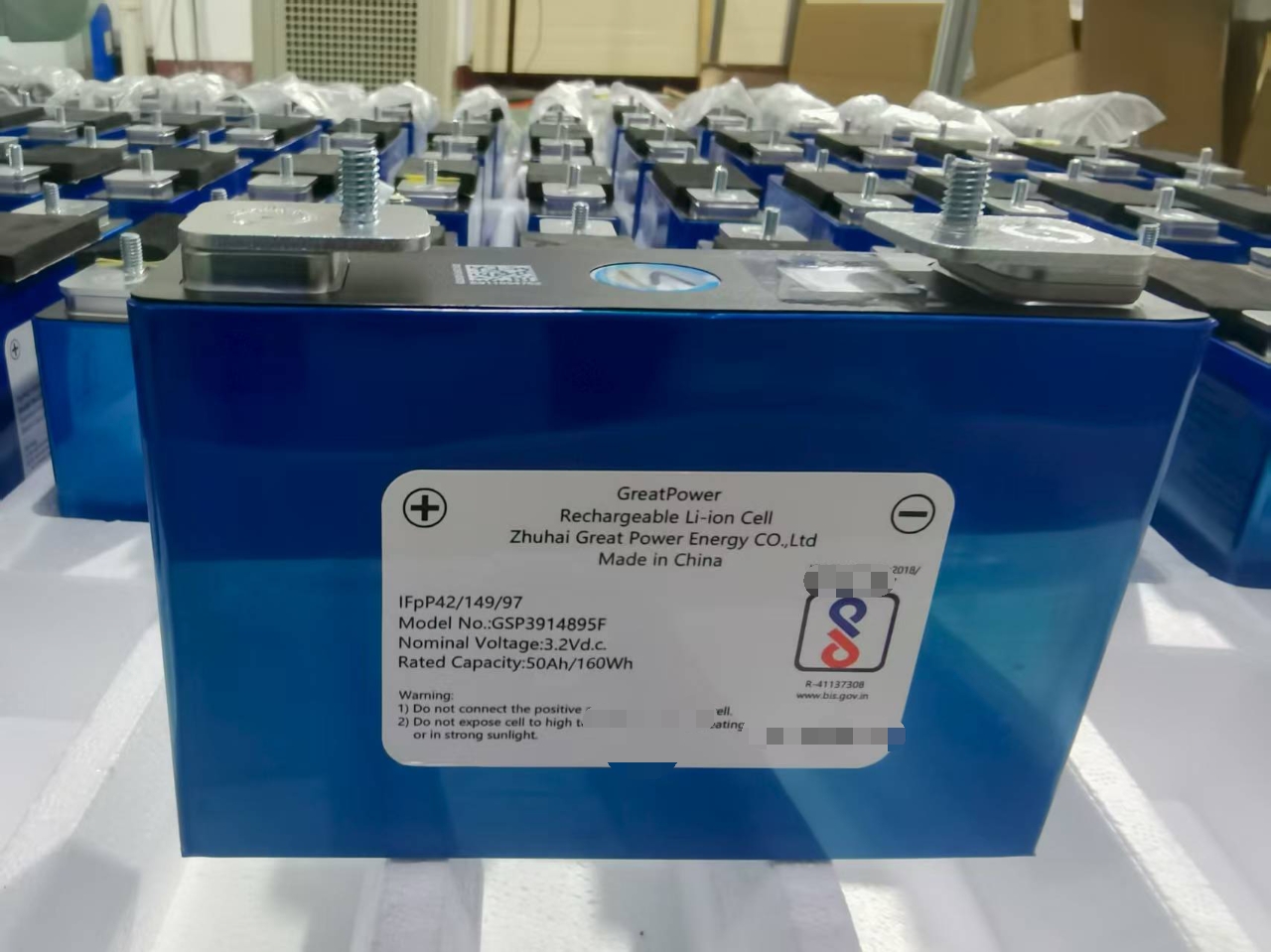
Global energy storage shipments are highly concentrated in China, accounting for as much as 97%. In Q1 2026, China's energy storage lithium battery shipments reached 215 GWh, up 139% year-on-year. Leading companies generally operate at over 90% capacity utilization, while prices for mainstream 314Ah LFP cells have risen by 25%-35% since late 2025. Sounds booming, right?
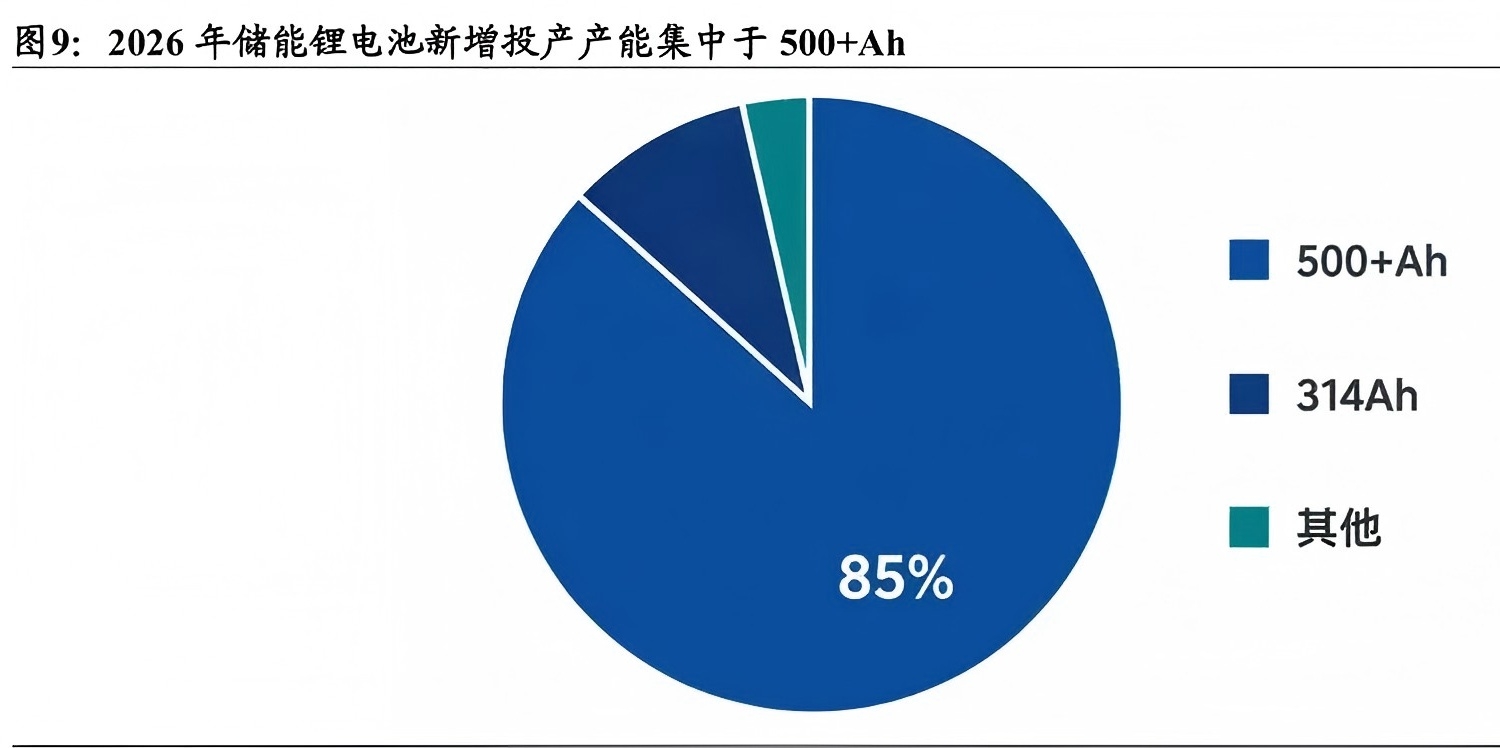
However, the hidden risk lies in the pace of expansion. New energy storage lithium battery capacity expected to come online in 2026 exceeds 500 GWh, with large-capacity (500Ah+) cells accounting for as much as 85%. By year-end, domestic total capacity could surpass 1,200 GWh.
Top-tier players can still maintain performance thanks to high-capacity cells, long cycle life, and strong global customer relationships. But low-end capacity lacking technological barriers and client certifications will face significant pressure from declining utilization rates and forced exit.
In 2026’s new energy storage lithium battery capacity additions, large-capacity (500+Ah) cells account for a massive 85%, signaling accelerating technological iteration.
5) Competitive landscape loosening: industry undergoing a "triple clearance mechanism"
Concentration in energy storage cells is gradually declining. The CR10 dropped from 92.0% in 2023 to 85.2% in Q1 2026. Chueneng New Energy entered the Top 6 for the first time, indicating that rising demand has enabled more manufacturers to scale up.
Meanwhile, LGES’s “shift from EV to storage” strategy is proving effective—multiple North American battery plants have fully transitioned from power batteries to energy storage, and the company is expected to re-enter the global top ten by Q3 2026.
Guotai Haitong’s report outlines a clear “triple clearance mechanism”: compliance constraints under Order No. 41 (existing projects failing grid connection tests, substandard grid-related performance, or quality defects may be required to rectify or shut down); listing and evaluation constraints under Document No. 114 (projects failing monthly availability targets cannot receive capacity compensation); and revenue model reassessment (if actual peak-valley price spreads narrow under fixed assumptions, payback periods could extend from five to eight years).
These three mechanisms combined will shift the industry from uncontrolled growth toward gradual consolidation. Ultimately, successful enterprises must possess three core capabilities: proactive management of compliance costs, cross-provincial policy analysis and asset allocation, and operational efficiency and cash flow management.
Under the joint impact of compliance, evaluation, and revenue models, the energy storage sector is undergoing progressive consolidation, and the path of corporate differentiation is now clear.
6) LFP continues to dominate, but sodium-ion and long-duration storage are opening new windows
On the technology front, LFP accounted for 91.8% of newly installed capacity in 2025, benefiting from excellent thermal stability, long cycle life, and cost advantages—making it unlikely to be replaced in the near term. Moreover, average bid prices for LFP energy storage systems declined by 14%-33% compared to 2024, with 1C systems dropping from 1,065 yuan/kWh to 714.8 yuan/kWh, further enhancing their cost-effectiveness.
Yet change is underway. Sodium-ion battery industrialization is accelerating significantly. In June 2026, CATL launched “Tianheng Sodium,” the world’s first utility-scale demonstration sodium-ion energy storage system in Munich, Germany, marking the official entry of sodium-ion storage into gigawatt-hour-level commercialization. The company plans to build a 160 GWh sodium-ion production base in Jining, Shandong. In the future, sodium-ion batteries will serve as a key complementary solution in cost-sensitive, safety-critical applications where energy density requirements are less demanding.
Long-duration storage represents another policy-driven growth area. Global long-duration storage installations surged eightfold in 2024 and continued growing by 49% in 2025. Technologies such as compressed air, molten salt thermal storage, and vanadium redox flow batteries offer distinct advantages in scenarios exceeding 8 hours, including decoupled power and capacity, lower lifecycle costs, and longer cycle life than lithium-based solutions. But frankly, these technologies still face commercialization challenges—lacking supporting capacity pricing mechanisms, with long investment payback cycles, and requiring more time to validate large-scale deployment.
7) Profit margins along the supply chain are shifting, and the influence of PCS and system integrators is growing.
In the cost structure of energy storage systems, battery cells (including PACKs) account for over 60%, power conversion systems (PCS) make up 25%-30%, while EMS, BMS, thermal management, and fire protection cover the remainder.
Over the past two years, declining battery prices have weakened the advantage of vertically integrated companies in self-supplying cells, leading to a 10-percentage-point increase in market share for specialized system integrators such as Sungrow and CRRC Zhuzhou Institute. However, BYD remains an exception. Thanks to its in-house cell development and strong cost control capabilities, it ranked first globally in energy storage system shipments in Q1 2026, demonstrating that vertical integration can still deliver results among industry leaders.
Changes in the PCS segment are even more notable. In 2025, non-planned outages at electrochemical energy storage stations nationwide totaled 1,922, with PCS-related outages accounting for 32%—surpassing batteries for the first time as the leading cause of downtime.
This signals a shift in PCS competition from "price-first" to "safety and performance-first." By the end of 2025, the average price of centralized PCS units for large-scale storage had rebounded to 0.08 yuan/W.
A thoroughly proven, reliable PCS is now becoming critical to ensuring the minimum return on investment for energy storage projects. Meanwhile, overseas markets are tightening access and financing restrictions for Chinese PCS manufacturers, introducing uncertainty into industry growth.
Four key trends in energy storage PCS development: continuous iteration toward higher power, accelerated penetration of string-type designs, mass adoption of liquid-cooled solutions, and large-scale deployment of grid-forming PCS.
8) The value of thermal management and BMS is being reevaluated, but competition is intensifying.
Following the implementation of the updated "Safety Regulations for Electrochemical Energy Storage Stations," safety standards have been comprehensively upgraded. Air-cooling is rapidly phasing out, while liquid cooling has become the standardized heat dissipation solution for large-scale energy storage projects. Currently, the penetration rate of liquid cooling in newly built large-scale energy storage projects in China has exceeded 65%.
The BMS market also benefits from enhanced safety standards. In 2025, the Chinese lithium battery BMS market reached 34.1 billion yuan, up 27% year-on-year, while the independent third-party BMS market grew to 9.9 billion yuan, a 41% increase. However, both segments have seen a surge in new entrants, driving down product prices and putting pressure on gross margins for most companies.
Companies like Invt, Tongfei, and Shenling Environment in thermal management, and Gotion Electronics and Xieneng Technology in BMS, may be riding the wave, but to truly profit, they must continue competing fiercely on technology and cost efficiency.
Summary
The energy storage industry is undergoing a coming-of-age transition from "policy cradle" to "market wilderness." The phase-out of mandatory storage requirements has not killed the sector, but instead elevated independent and long-duration storage projects—those with genuine profitability—to center stage. Industrial energy efficiency and decarbonization, along with diverse overseas demand, are opening up new growth opportunities. However, at the same time, over 500 GWh of new capacity, escalating trade barriers in Europe and the U.S., and marginal easing of industry concentration suggest that consolidation is inevitable.