Battery Knowledge
Home > News > Battery Knowledge > Lithium-ion Battery for E-bike: The Complete Guide for Performance, Safety, and Long-Term Value
Lithium-ion batteries have become the standard power source for modern electric bicycles. Compared with traditional battery technologies, they offer higher energy density, longer lifespan, lighter weight, and better charging efficiency. For e-bike manufacturers, distributors, and buyers, choosing the right lithium-ion battery for e-bike applications plays a critical role in product performance, user satisfaction, and long-term reliability.
This guide explains how lithium-ion batteries work, their advantages, key features to evaluate, and how to select the right battery for different types of electric bikes.
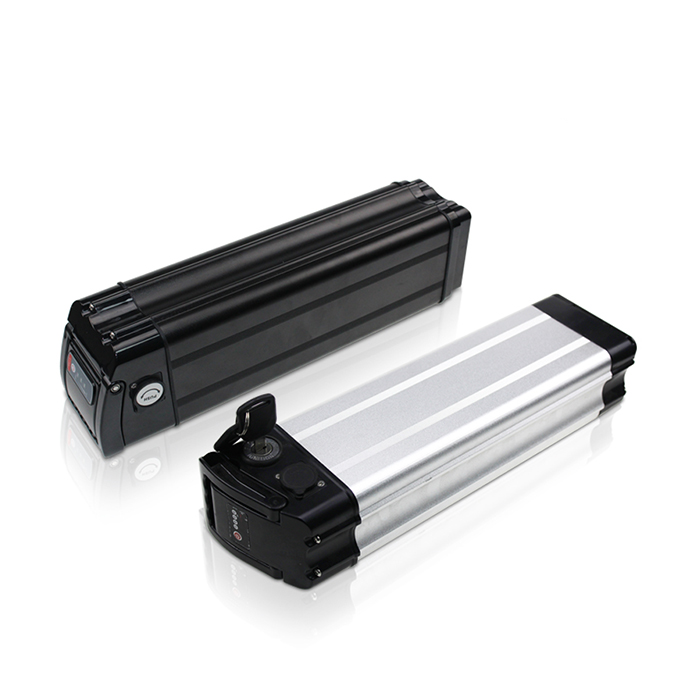
A lithium-ion e-bike battery is a rechargeable battery pack designed to store and deliver electrical energy to an electric bicycle motor. It typically consists of:
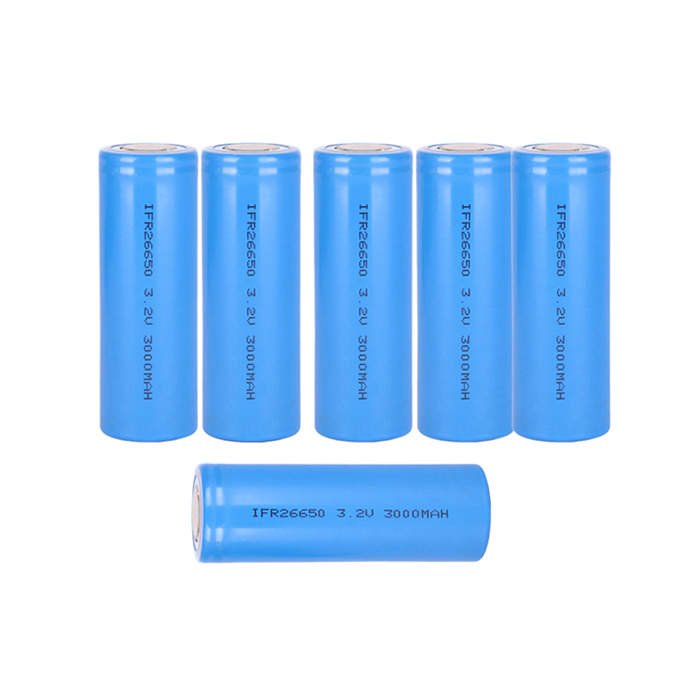
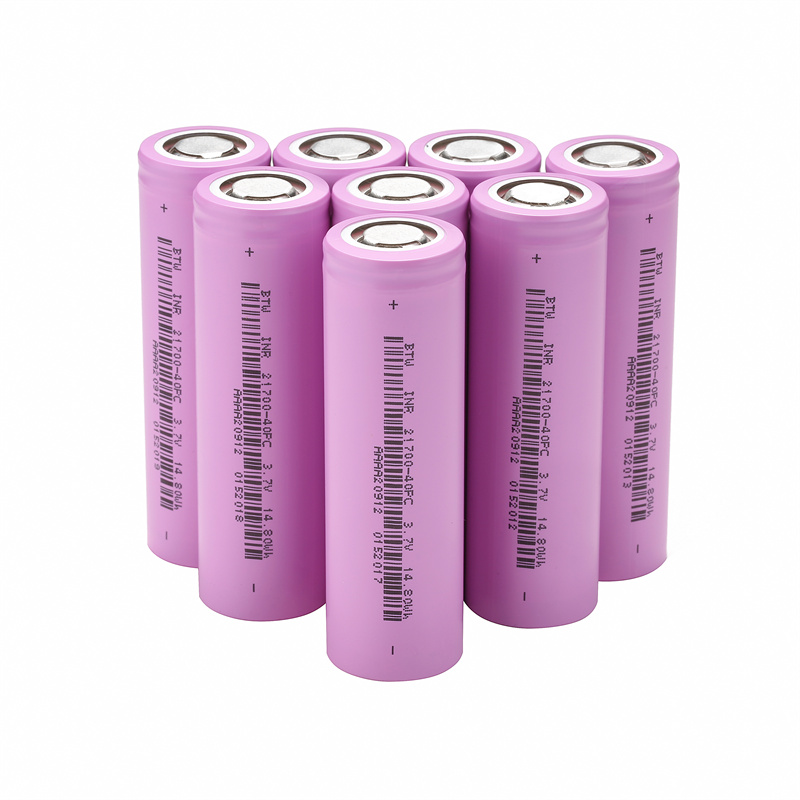
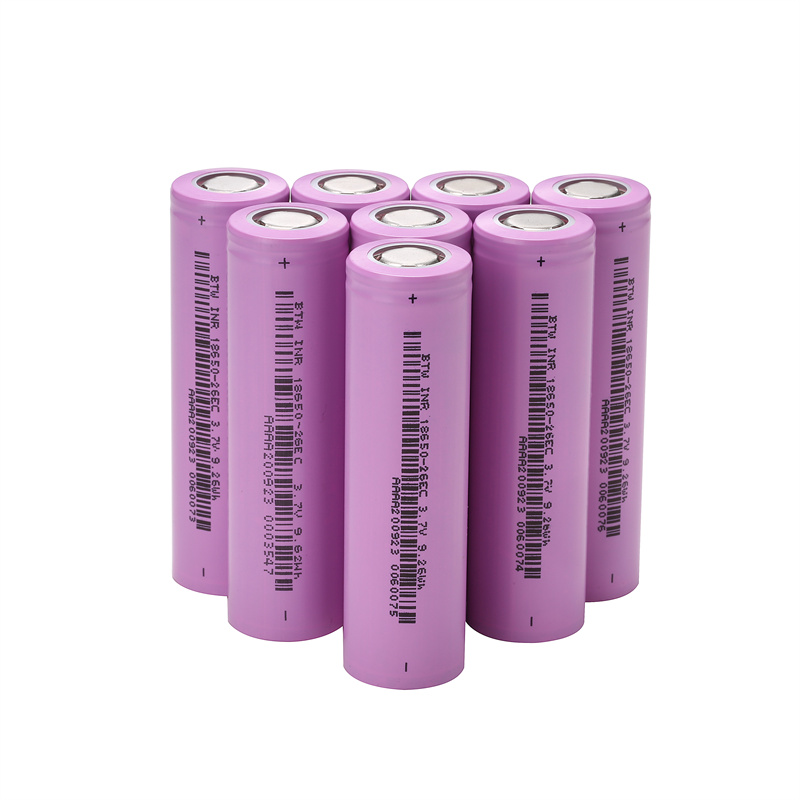
Lithium-ion cells (such as 18650 or 21700 cells)
Battery Management System (BMS)
Protective housing
Charging interface
Smart communication system (optional)
These batteries power the motor that assists riders when pedaling, helping reduce effort and extend travel distance.
Lithium-ion technology has replaced older battery types such as lead-acid and nickel-metal hydride due to several major advantages.
1. High Energy Density
Lithium-ion batteries store more energy in a smaller and lighter package, which is essential for e-bikes where weight and space matter.
Benefits include:
Longer riding range
Compact battery design
Better integration into bicycle frames
This is why many modern e-bikes use down tube batteries or integrated frame batteries.
2. Lightweight and Compact Structure
Weight directly affects riding comfort and efficiency. Lithium-ion batteries are significantly lighter than traditional alternatives, making them ideal for:
Urban commuting e-bikes
Electric mountain bikes
Folding electric bicycles
Delivery e-bikes
A lighter battery improves handling, acceleration, and overall riding experience.
3. Long Cycle Life
One of the key reasons lithium-ion batteries dominate the e-bike market is their durability. High-quality batteries can typically achieve:
Around 500 charge and discharge cycles
80% or more remaining capacity after full cycles
Stable performance over long-term use
This reduces replacement frequency and lowers the total cost of ownership.
4. Fast Charging Capability
Lithium-ion batteries support efficient charging, allowing riders to recharge quickly between rides.
Typical advantages include:
Shorter charging time
Higher charging efficiency
Lower energy loss
This is especially important for commercial applications such as delivery fleets and shared mobility systems.
Understanding the structure of an e-bike battery helps buyers evaluate quality and reliability.
Battery Cells
The cells are the core of the battery pack. Common cell types include:
18650 Cells
Mature and widely used
Stable performance
Cost-effective
21700 Cells
Higher capacity
Better energy density
Longer range potential
Many high-end e-bike batteries now use EV-grade 21700 cells, which provide improved safety and performance.
Battery Management System (BMS)
The BMS is essential for protecting the battery and maintaining stable operation.
A good BMS can provide:
Overcharge protection
Over-discharge protection
Short circuit protection
Temperature monitoring
Cell balancing
Advanced Smart BMS systems allow riders to monitor battery status through mobile apps.
Battery Housing and Protection
The external housing protects internal components from:
Water
Dust
Shock and vibration
Temperature changes
High-quality e-bike batteries usually feature waterproof design suitable for outdoor riding conditions.
When sourcing or selecting a battery for e-bike projects or wholesale distribution, several factors should be carefully evaluated.
1. Battery Capacity and Range
Battery capacity is typically measured in Ah (amp-hours) or Wh (watt-hours).
Higher capacity provides:
Longer riding distance
Better support for high-power motors
Improved user experience
Common e-bike battery capacities include:
36V 10Ah – entry-level city e-bikes
36V 15Ah / 48V 15Ah – commuting bikes
48V 20Ah and above – long-range or cargo e-bikes
2. Safety and Cell Quality
High-quality batteries should use EV-grade cells and undergo strict quality control to ensure reliability.
Important safety indicators include:
Stable cell performance
Certified production processes
Strong thermal management
Safety is a major factor that affects purchasing decisions for global buyers.
3. Waterproof and Weather Resistance
Since electric bicycles are used outdoors, a good lithium-ion battery should support use in:
Rainy weather
Humid climates
Daily commuting environments
Waterproof protection helps prevent damage and increases battery lifespan.
4. Smart Monitoring and Connectivity
Modern electric bicycles are becoming smarter. Many advanced lithium-ion batteries support:
Smartphone APP connection
Battery performance monitoring
Real-time diagnostics
Maintenance alerts
These smart features improve both user experience and battery management.
5. Optional GPS Tracking
Some batteries now integrate GPS tracking systems, allowing users to locate their e-bike via mobile apps.
This is particularly useful for:
Bike-sharing companies
Delivery businesses
Rental fleets
Urban mobility providers
GPS features enhance security and fleet management efficiency.
Different e-bike designs require different battery styles.
Down Tube Batteries
Mounted on or integrated into the frame, offering:
Better aesthetics
Balanced weight distribution
Popular in modern e-bikes
Rear Rack (Rear Carrier) Batteries
Installed on the rear carrier, providing:
Larger capacity options
Easy installation and replacement
Suitable for city and cargo e-bikes
Integrated Frame Batteries
Built completely inside the frame, ideal for:
Premium e-bike designs
Mountain e-bikes
High-end commuter bikes
Lithium-ion batteries are widely used across multiple sectors:
Urban commuting
Food delivery and logistics
Shared e-bike programs
Tourism and rental bikes
Outdoor cycling and recreation
As global cities adopt greener transportation solutions, the demand for high-performance e-bike batteries continues to grow.
For importers, wholesalers, and e-bike brands, selecting a reliable supplier is essential.
Consider these factors:
Cell quality and brand
Production capacity
Customization options
Battery certifications
Smart system integration
Quality control process
A professional supplier can provide customized solutions for different e-bike models and market requirements.
The e-bike industry is evolving rapidly, and battery technology is improving every year.
Key trends include:
Higher capacity 21700 and next-generation cells
Smarter battery management systems
Faster charging technology
Integrated IoT connectivity
Improved safety standards
Lightweight battery structures
These innovations will continue to enhance the performance and adoption of electric bicycles worldwide.
The Lithium-ion Battery for E-bike is the core component that determines range, safety, and overall riding experience. With advantages such as high energy density, long cycle life, lightweight design, and smart management capabilities, lithium-ion batteries have become the preferred power solution for modern electric bicycles.
Whether used in commuter bikes, delivery fleets, or high-performance e-bikes, selecting a reliable lithium-ion battery can significantly improve product competitiveness and long-term value in the fast-growing electric mobility market.