Battery Knowledge
Home > News > Battery Knowledge > Lithium-ion Battery for Low Speed Vehicle: A Complete Guide to Safe and Efficient Power Solutions
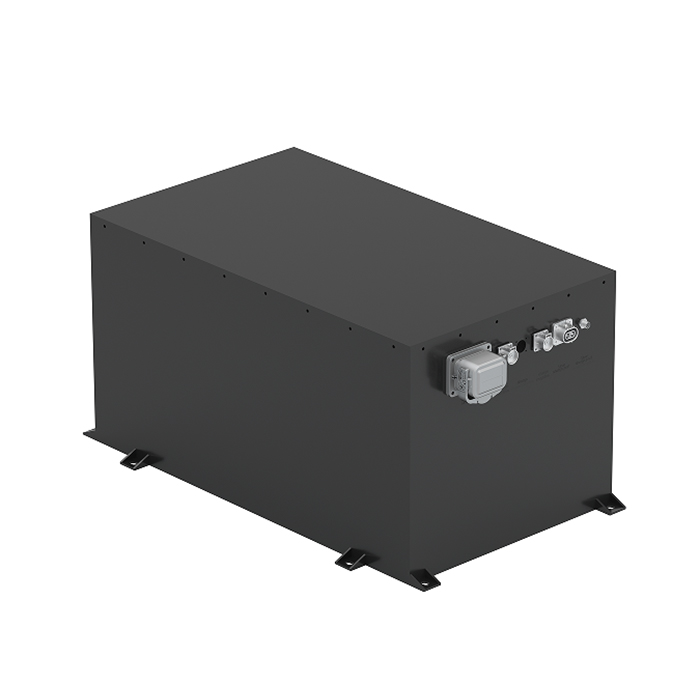
As the demand for eco-friendly transportation grows worldwide, low speed vehicles (LSVs) are becoming increasingly popular in residential communities, campuses, resorts, industrial parks, and urban mobility systems. At the heart of these vehicles is the battery system, and today, the lithium-ion battery for low speed vehicle is widely recognized as the most efficient and reliable power solution.
Compared with traditional lead-acid batteries, lithium-ion technology offers longer lifespan, higher efficiency, lighter weight, and lower maintenance costs. This guide explores how lithium-ion batteries work in low speed vehicles, their key benefits, essential features, and how buyers can select the right battery solution.
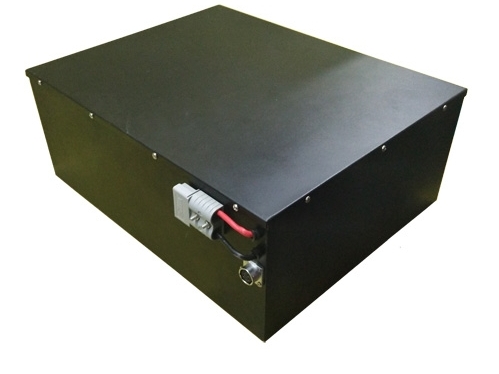
A lithium-ion battery for low speed vehicles is a rechargeable energy storage system designed to power vehicles that typically operate at speeds below 40 km/h (25 mph). These vehicles include:
Electric golf carts
Neighborhood electric vehicles (NEVs)
Electric sightseeing cars
Campus patrol vehicles
Electric utility vehicles
Electric tricycles and small transport vehicles
These battery systems are engineered to provide stable power output, long operating time, and reliable safety for daily use.
For many years, lead-acid batteries were commonly used in low speed vehicles. However, lithium-ion batteries are rapidly replacing them due to several significant advantages.
1. Longer Service Life
One of the most important advantages is the extended lifecycle of lithium-ion batteries.
Typical performance includes:
Around 500 or more charge cycles
80% remaining capacity after multiple cycles
Stable long-term performance
This means fewer replacements and lower long-term operational costs.
2. Higher Energy Efficiency
Lithium-ion batteries deliver higher energy conversion efficiency compared with traditional battery types.
Key benefits:
Longer driving range per charge
Reduced energy waste
Consistent power output
This makes lithium batteries ideal for commercial operations such as resorts, factories, and logistics parks.
3. Lightweight Design
Weight directly affects vehicle performance and energy consumption.
Lithium-ion batteries are:
Much lighter than lead-acid batteries
More compact in size
Easier to install and replace
This helps improve vehicle efficiency and handling while reducing load on the motor system.
4. Faster Charging Time
Charging efficiency is crucial for vehicles that operate frequently throughout the day.
Lithium-ion batteries support:
Faster charging speed
Opportunity charging between uses
Reduced downtime for fleets
For fleet operators, this means higher operational efficiency.
High-Quality Lithium Cells
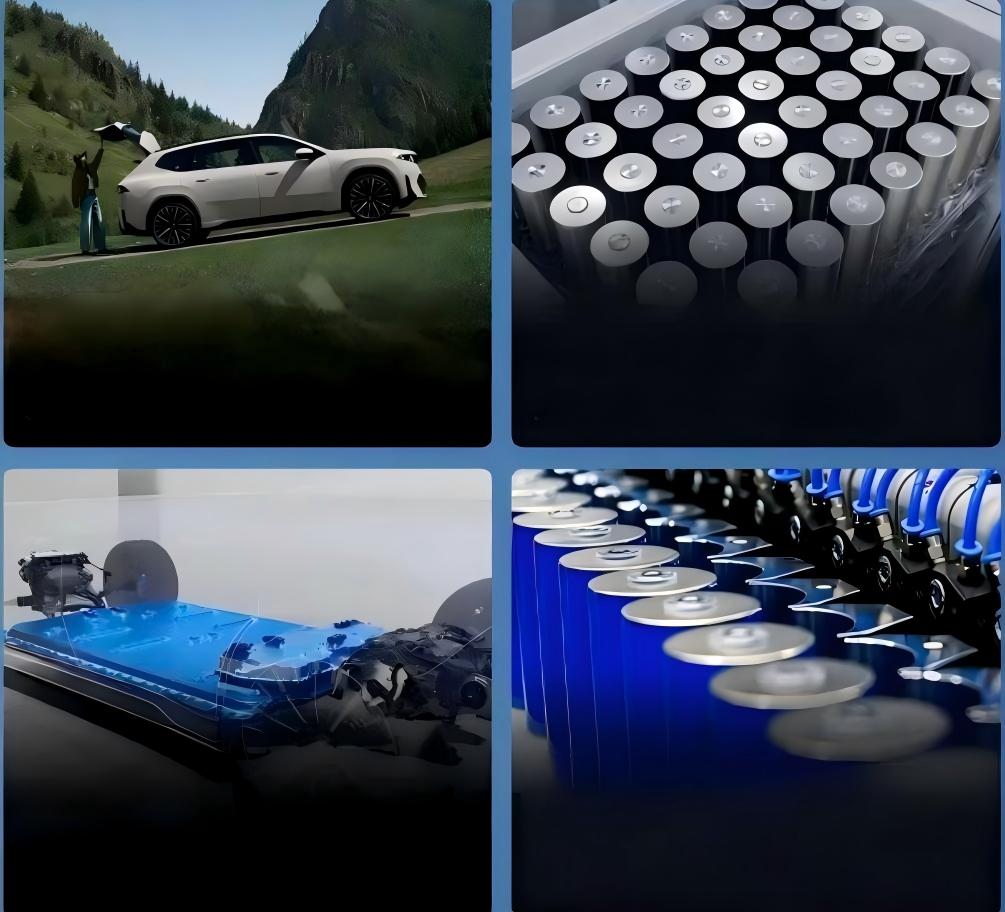
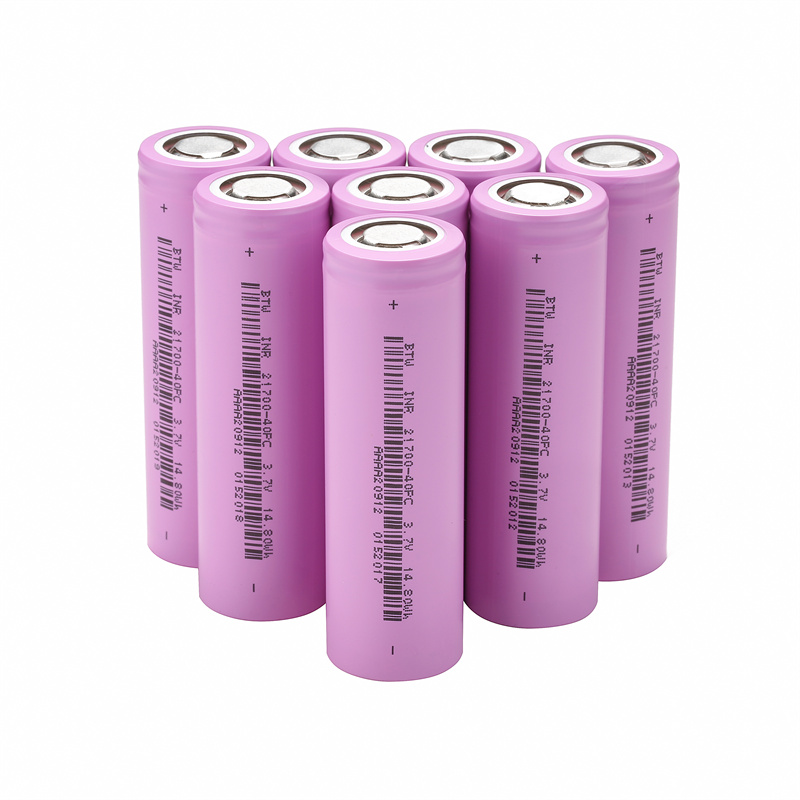
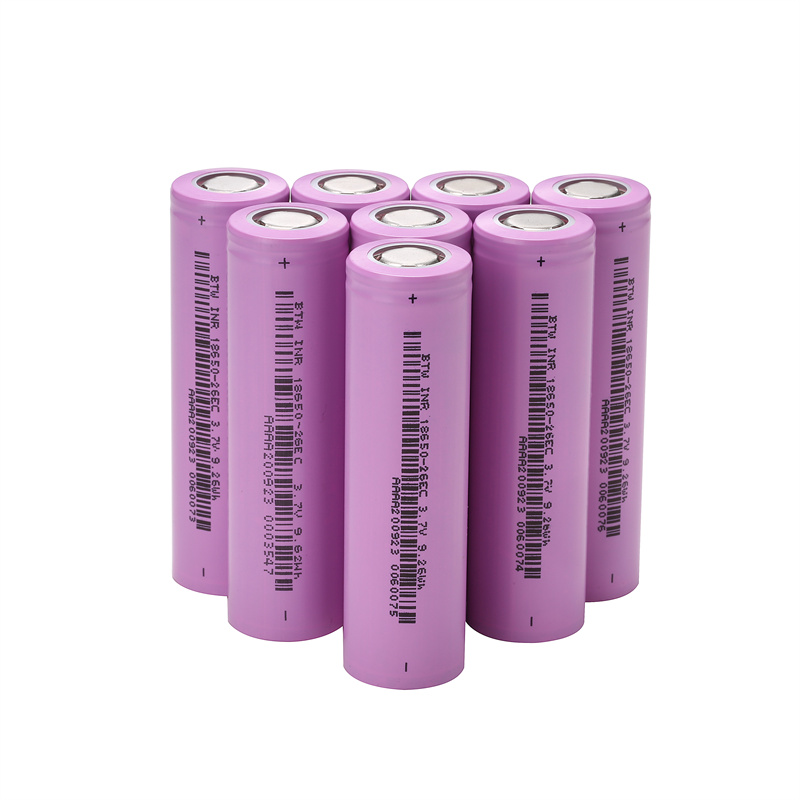
Modern battery systems often use high-performance lithium cells such as:
18650 lithium cells
21700 high-capacity cells
These cells provide:
Higher energy density
Stable performance
Improved thermal safety
Using EV-grade cells ensures the battery can operate reliably even in demanding environments.
Advanced Battery Management System (BMS)
A Battery Management System (BMS) is essential for protecting the battery pack and ensuring safe operation.
The BMS provides:
Overcharge protection
Over-discharge protection
Short circuit protection
Temperature monitoring
Cell balancing
Some advanced systems also include smart monitoring functions that allow operators to check battery status remotely.
Waterproof and Durable Design
Low speed vehicles are often used outdoors and in various environmental conditions.
High-quality lithium-ion batteries include:
Waterproof protection
Dust resistance
Shock-resistant housing
This design helps extend the battery lifespan and improves operational reliability.
Smart Monitoring System (Optional)
Many modern lithium battery systems now support smart connectivity through mobile apps or fleet management systems.
Users can monitor:
Battery SOC (State of Charge)
Voltage and current
Temperature
Battery health
Cycle life
This data helps prevent battery issues and improves maintenance efficiency.
GPS Tracking Function (Optional)
For commercial fleets and shared vehicles, GPS tracking functionality can be integrated into the battery system.
Benefits include:
Vehicle location tracking
Anti-theft protection
Fleet management optimization
Real-time monitoring
This feature is especially valuable for large-scale operations such as resorts, campuses, and logistics parks.
Lithium-ion batteries are widely used in many types of low speed electric vehicles.
Golf Carts
Golf courses, resorts, and clubs require reliable batteries that provide long operating hours and minimal maintenance.
Electric Sightseeing Vehicles
Tourism areas need stable battery performance for continuous daily operations.
Industrial Utility Vehicles
Factories and warehouses use electric utility vehicles for internal transportation.
Community and Campus Vehicles
Residential communities and universities rely on low speed electric vehicles for security patrol and short-distance transportation.
Electric Cargo and Delivery Vehicles
Lithium batteries help support short-range logistics and last-mile delivery solutions.
Selecting the right battery system is critical for vehicle performance and long-term reliability. Buyers should evaluate several important factors.
Battery Capacity
Capacity determines how far the vehicle can travel on a single charge.
Typical configurations include:
48V battery systems
60V battery systems
72V battery systems
Higher capacity batteries support longer driving ranges and heavier loads.
Safety Standards
Reliable suppliers should provide batteries that meet industry standards and undergo strict testing to ensure safety.
Important aspects include:
Quality cell selection
BMS protection system
Production quality control
Thermal management design
Charging Compatibility
Ensure the battery is compatible with the vehicle’s charging system and supports efficient charging cycles.
Customization Capability
Many manufacturers offer customized battery solutions for:
Different vehicle models
Specific capacity requirements
Smart system integration
Fleet management features
Customization can improve vehicle performance and market competitiveness.
The global demand for lithium batteries in low speed vehicles is increasing rapidly due to:
Growth of electric mobility
Expansion of tourism and resort transportation
Urban green transportation initiatives
Industrial electrification
Rising demand for smart fleet management
At the same time, battery technology is evolving with:
Higher capacity lithium cells
Smarter BMS systems
Improved safety standards
Longer lifecycle performance
These innovations are accelerating the transition from traditional batteries to lithium-ion solutions.
The Lithium-ion Battery for Low Speed Vehicle is becoming the preferred energy solution for modern electric mobility. With advantages such as long service life, lightweight structure, high efficiency, and smart management features, lithium-ion batteries significantly improve vehicle performance and operational efficiency.
Whether used in golf carts, sightseeing vehicles, industrial transport, or community mobility, choosing a high-quality lithium-ion battery can enhance reliability, reduce maintenance costs, and support the growing demand for sustainable transportation.