Battery Knowledge
Home > News > Battery Knowledge > 21700 LiFePO4 Battery Cells: Complete Guide for Industrial Applications
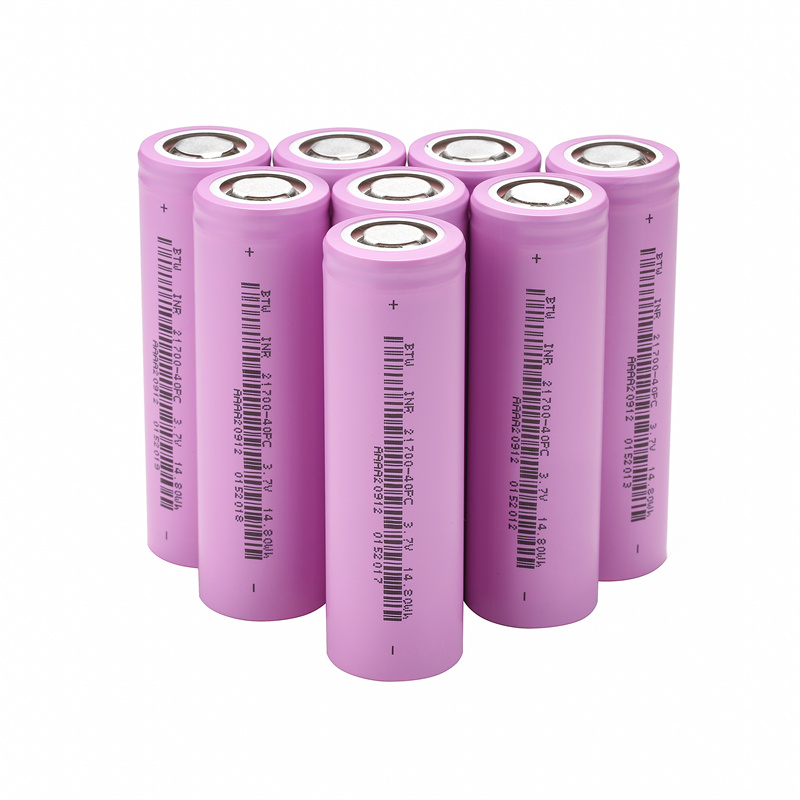
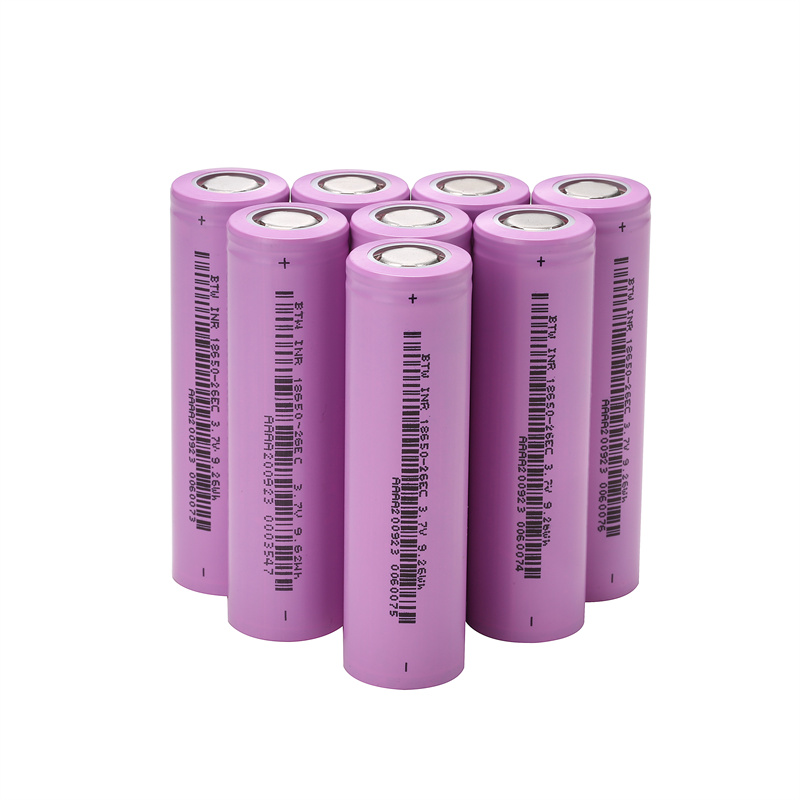
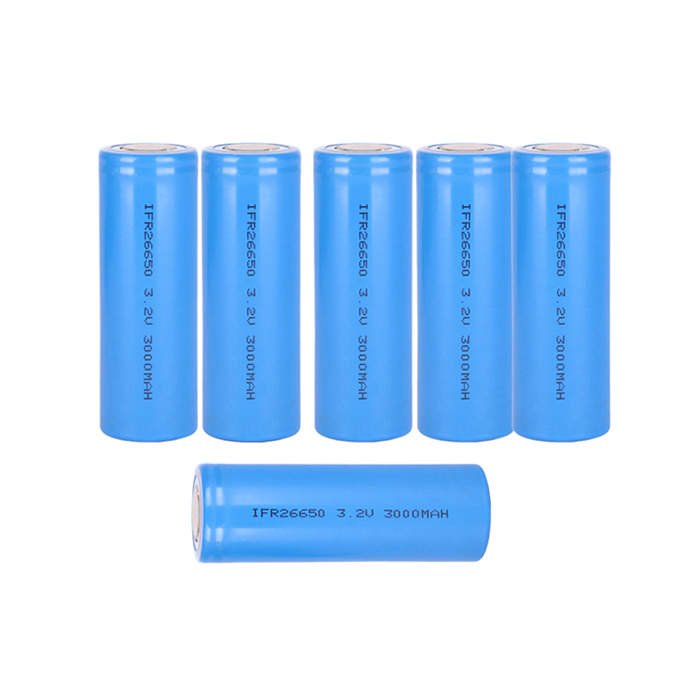
21700 LiFePO4 battery cells are rapidly gaining popularity in industrial and commercial applications due to their high energy density, exceptional safety, and long cycle life. The “21700” designation refers to the cell dimensions: 21mm in diameter and 70mm in length. These cylindrical cells have become a preferred choice for applications requiring consistent performance, reliability, and long-term durability. Compared to traditional lithium-ion chemistries, LiFePO4 (Lithium Iron Phosphate) offers enhanced thermal stability and improved lifespan, making it ideal for industrial environments.
21700 LiFePO4 cells are engineered for high performance and operational safety. They offer:
High Cycle Life: Typically over 3000–5000 cycles, significantly longer than standard lithium-ion cells.
Thermal Stability: LiFePO4 chemistry reduces the risk of thermal runaway and is safer in high-temperature conditions.
High Discharge Current: Supports rapid load demands from industrial equipment and electric vehicles.
Low Self-Discharge: Maintains charge over extended periods, ideal for backup power systems and storage applications.
Eco-Friendly Chemistry: Non-toxic and more environmentally friendly than Ni-Cd or traditional lithium-ion chemistries.
21700 LiFePO4 cells bring multiple advantages for industrial users. Their high energy density allows for compact battery packs, saving space in electric vehicles, forklifts, or autonomous guided vehicles (AGVs). Extended cycle life reduces replacement frequency and overall operational costs. With a flat discharge curve, LiFePO4 cells provide consistent voltage output, ensuring reliable performance for sensitive industrial electronics. Their robust thermal and chemical stability also makes them suitable for harsh industrial environments where safety is critical.
21700 LiFePO4 battery cells are used across a wide spectrum of industrial applications:
Electric Vehicles and Material Handling: Forklifts, pallet jacks, AGVs, and other electric-powered industrial vehicles benefit from high discharge capability and extended runtime.
Energy Storage Systems (ESS): Solar and wind power storage applications leverage LiFePO4’s long cycle life and safety advantages.
Backup Power and UPS Systems: Data centers, hospitals, and critical infrastructure rely on stable and safe energy storage.
Portable Industrial Equipment: Power tools, robotics, and remote monitoring devices benefit from lightweight and durable battery packs.
When selecting 21700 LiFePO4 cells for industrial use, businesses should evaluate:
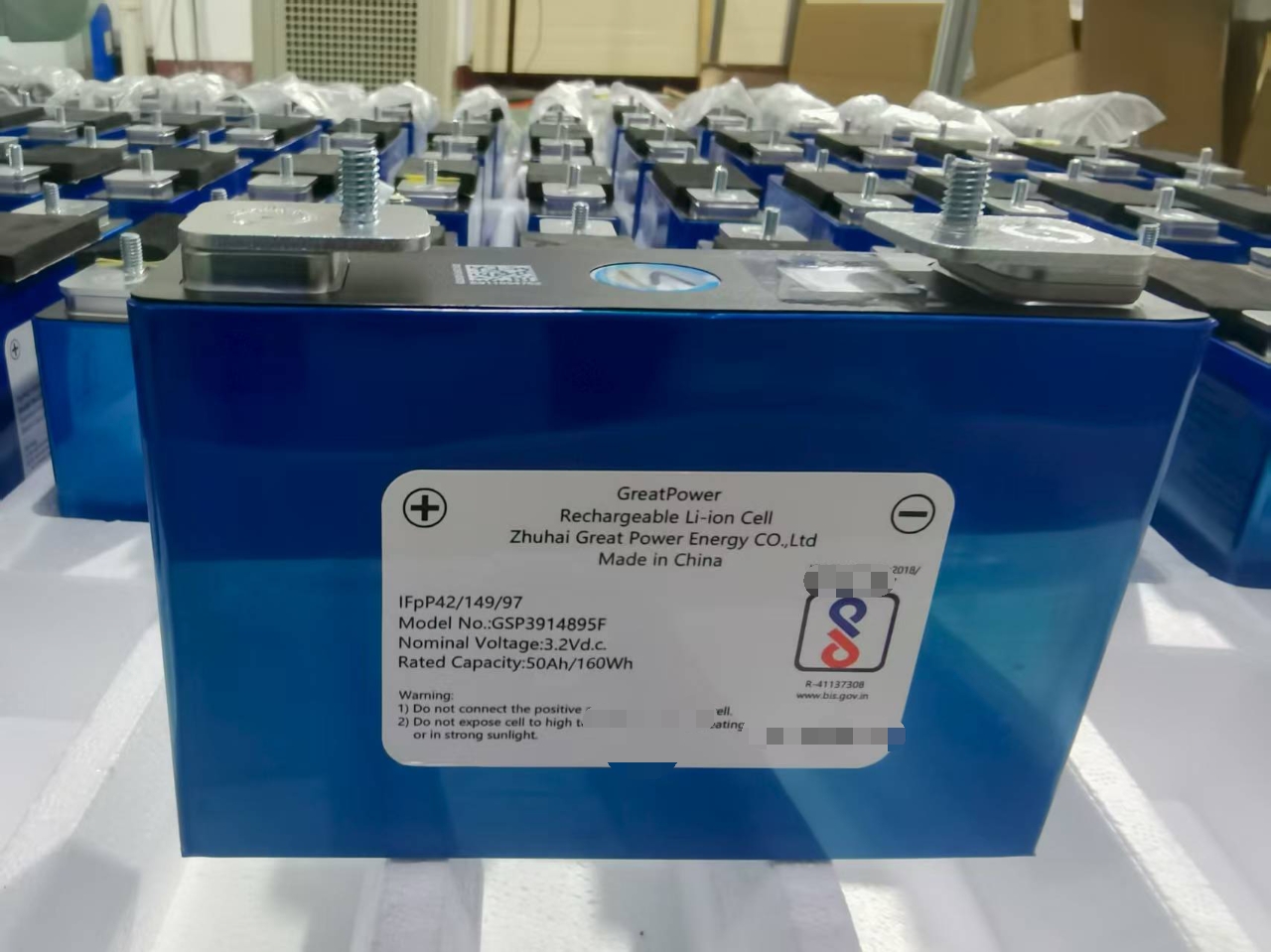
Capacity (Ah): Determines how long the equipment can operate on a single charge.
Nominal Voltage (V): Ensures compatibility with the system design.
Maximum Discharge Current: Critical for high-load operations.
Cycle Life and Calendar Life: Key for long-term cost efficiency.
Temperature Range: Cells must operate reliably under industrial temperature fluctuations.
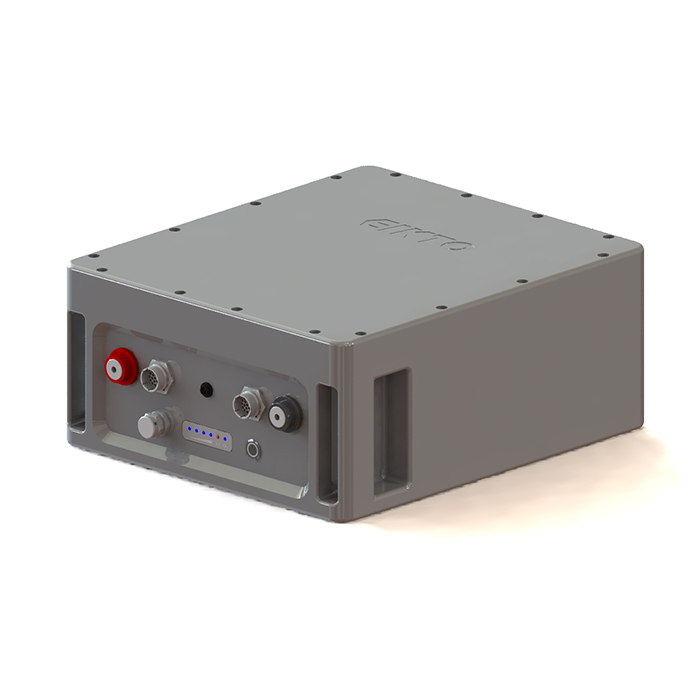
Battery Management System (BMS) Integration: Protects against overcharging, over-discharging, and thermal events.
Proper maintenance maximizes the lifespan and performance of 21700 LiFePO4 cells. Recommended practices include:
Avoid deep discharges where possible, as frequent low-voltage operation can reduce cycle life.
Store batteries in temperature-controlled environments to prevent degradation.
Use certified chargers and follow manufacturer charging protocols.
Inspect cells periodically for swelling, leakage, or connection issues.
Implement recycling and safe disposal practices, especially for damaged or end-of-life cells.
Although LiFePO4 chemistry is inherently safe, improper use can lead to issues such as unexpected capacity loss, uneven cell performance in packs, or BMS faults. Ensuring proper balancing of cells in a pack, avoiding extreme temperatures, and following recommended charge/discharge protocols are essential to prevent operational problems.
21700 LiFePO4 cells are at the forefront of next-generation industrial energy solutions. Emerging trends include:
High-Energy 21700 Packs: Integration into larger modules for electric trucks, warehouse robots, and renewable energy storage.
Smart BMS Technology: Advanced monitoring for voltage, current, temperature, and health status in real time.
Faster Charging Solutions: Reducing downtime for electric industrial vehicles.
Sustainable Manufacturing: Use of recyclable and environmentally friendly materials for mass production.
21700 LiFePO4 battery cells combine high energy density, exceptional safety, and long-term reliability, making them an ideal choice for industrial applications. Their performance in electric vehicles, energy storage systems, and backup power infrastructure ensures operational efficiency, cost savings, and safety. Businesses adopting these advanced battery cells gain a competitive advantage through reduced maintenance costs, longer lifespan, and environmentally responsible energy storage solutions.

How to Extend 18650 Cell Lifespan?
Sep. 22, 2026
What Are the Advantages of Lithium Marine Batteries?
Sep. 22, 2026