Battery Knowledge
Home > News > Battery Knowledge > Industrial Rechargeable Battery Cells: Comprehensive Guide for Businesses
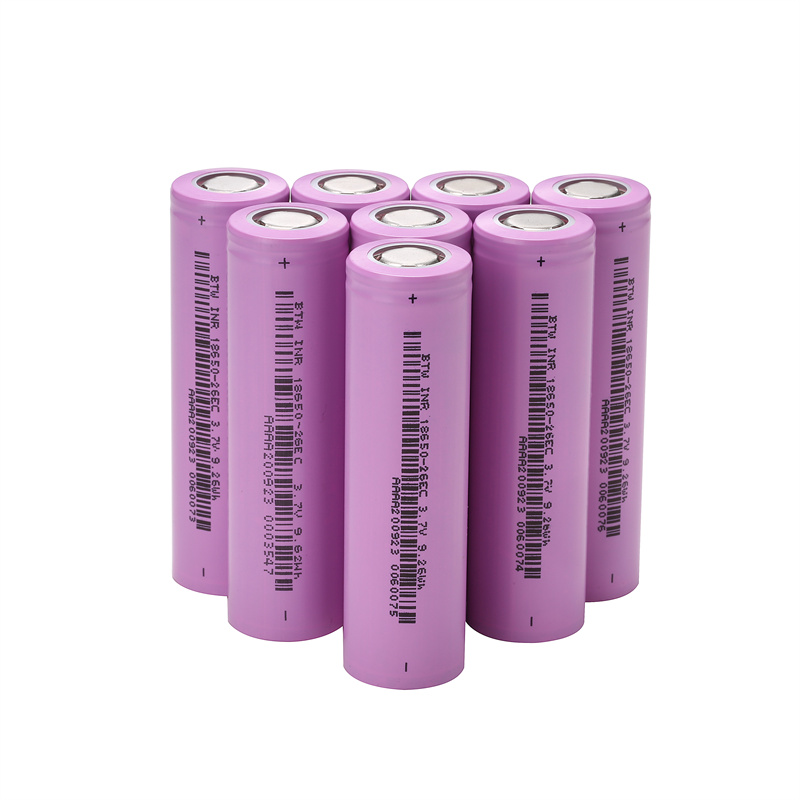
Industrial rechargeable battery cells are critical for modern industrial operations, powering equipment from electric forklifts and warehouse robots to renewable energy storage systems and backup power solutions. Choosing the right battery type and understanding its technical specifications can significantly impact operational efficiency, reduce downtime, and save costs. Businesses increasingly rely on reliable battery solutions to maintain continuous operations and support electrification initiatives.
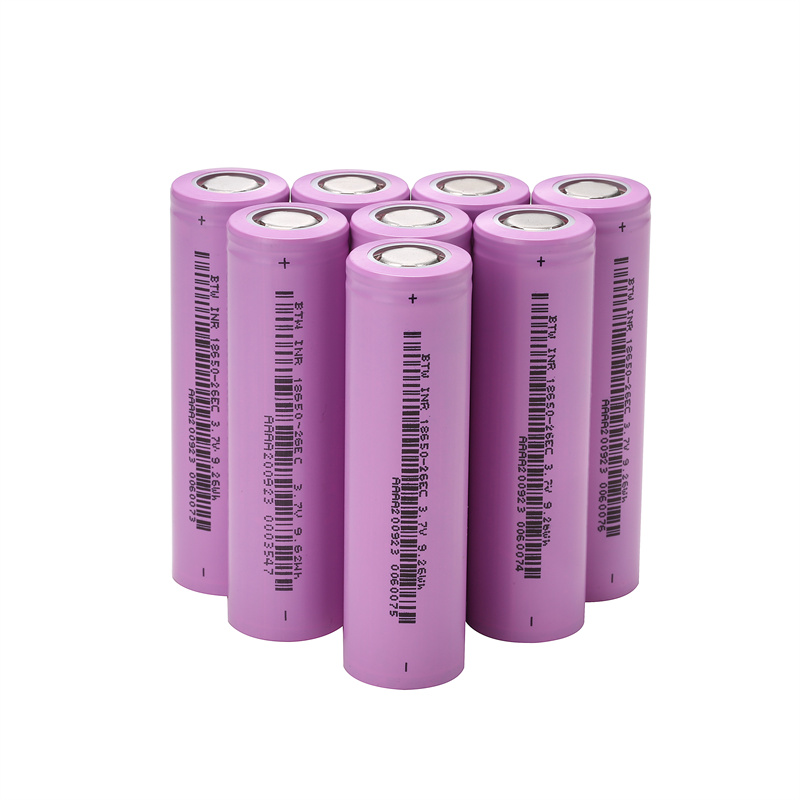
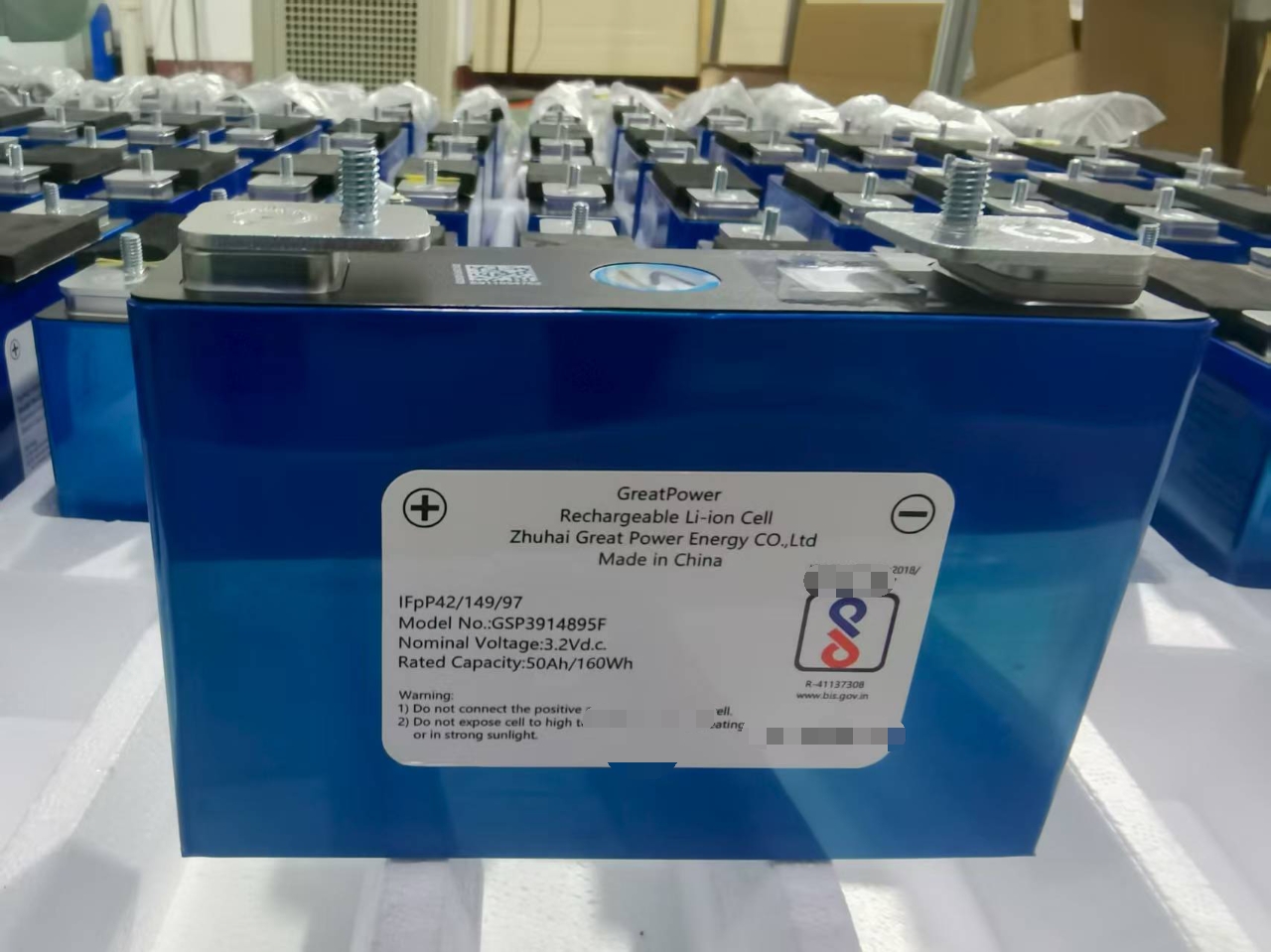
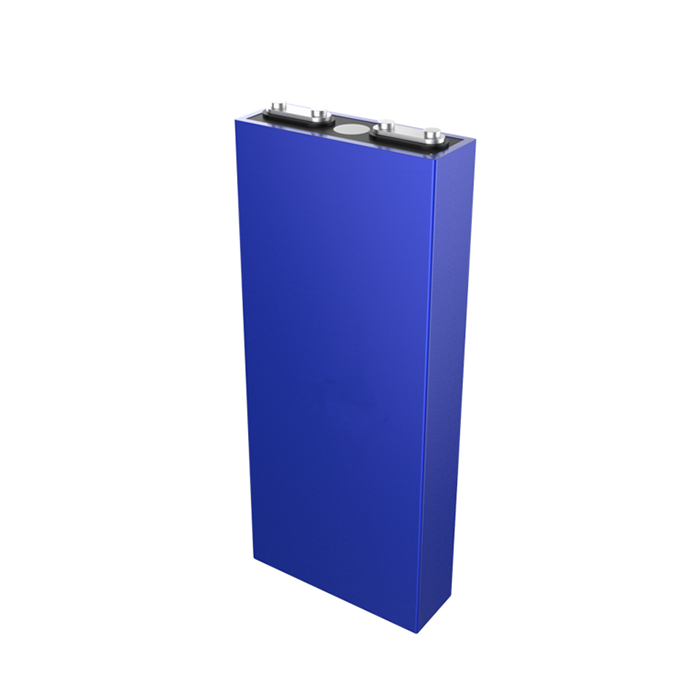
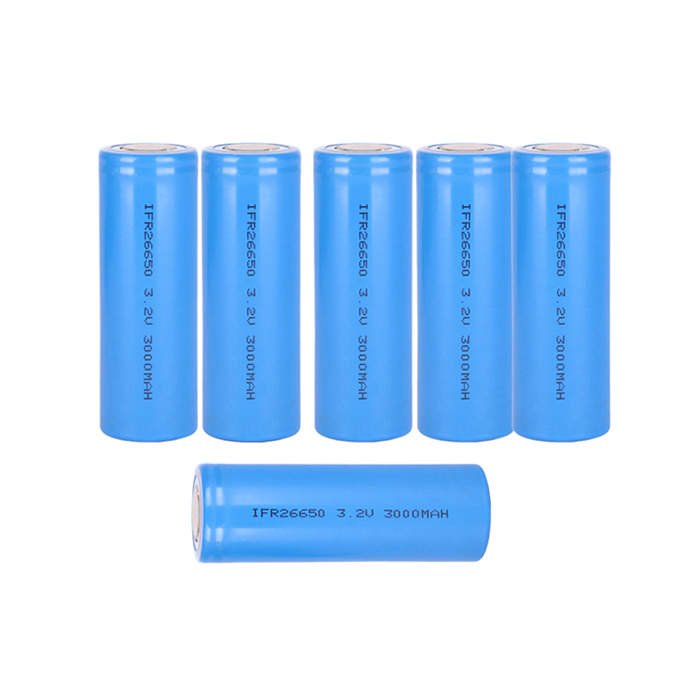
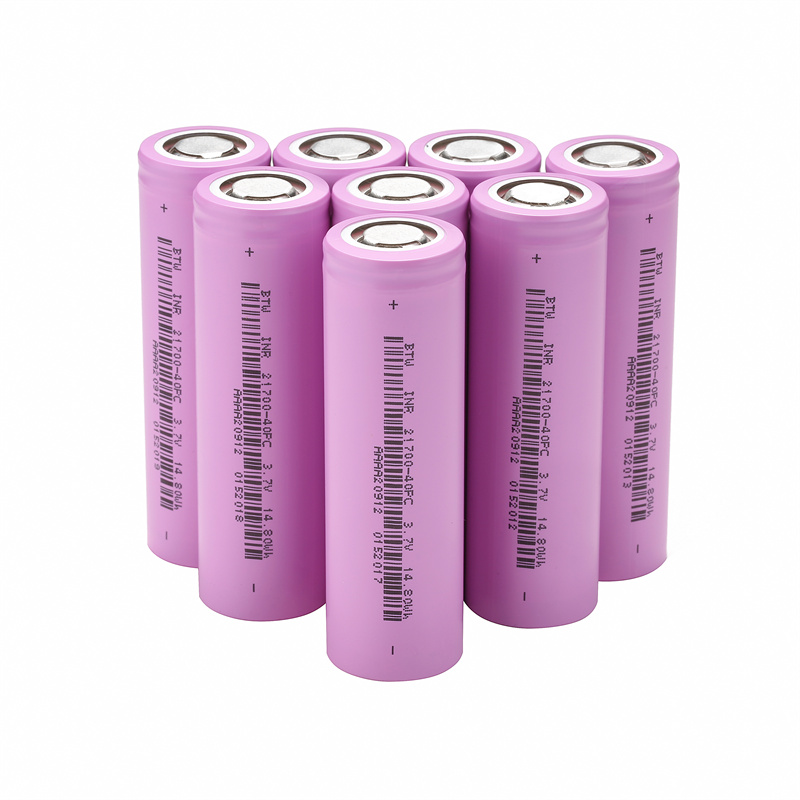
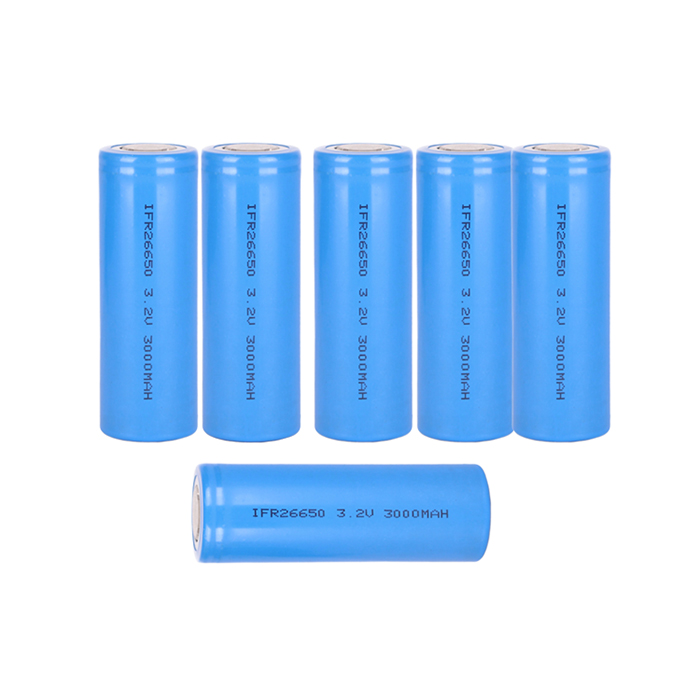
Industrial batteries are available in a variety of chemistries, each designed to meet specific operational needs. Lithium-ion (Li-ion) cells offer high energy density, lightweight construction, and long cycle life, making them ideal for electric vehicles and material handling equipment. Nickel-metal hydride (NiMH) batteries provide robust performance with better safety margins and environmental benefits, suitable for moderate-load systems. Nickel-cadmium (Ni-Cd) batteries excel in high-discharge and extreme temperature scenarios but require careful disposal due to cadmium toxicity. Lead-acid batteries remain widely used in heavy-duty machinery and backup power systems due to their reliability and high surge capacity.
When selecting industrial rechargeable battery cells, businesses must evaluate several critical factors. Battery capacity determines operational runtime, while voltage must match the equipment’s requirements. Cycle life indicates how many complete charge and discharge cycles the battery can handle before performance drops. Charge time affects productivity, especially in high-use industrial settings. Temperature tolerance, self-discharge rate, and internal resistance are equally important for maintaining consistent performance and safety in industrial environments.
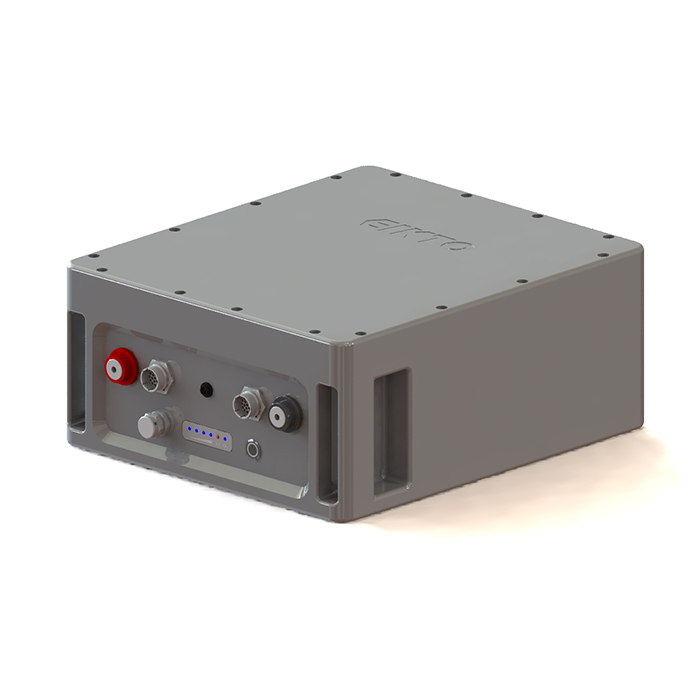
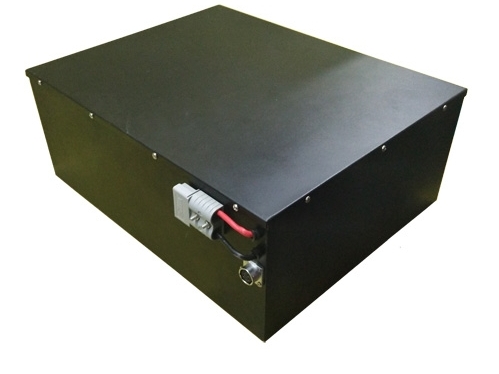
Investing in high-quality industrial battery cells offers multiple advantages. They reduce replacement frequency and operational downtime, lowering total cost of ownership. Rechargeable batteries are environmentally sustainable compared to disposable alternatives, contributing to corporate ESG goals. They provide high reliability under heavy loads and can be customized into packs to meet specific voltage or capacity requirements. Advanced batteries with integrated Battery Management Systems (BMS) protect against overcharging, over-discharging, and short circuits, ensuring safety and extending lifespan.
Industrial rechargeable batteries support a wide range of applications. Material handling equipment, including forklifts and automated guided vehicles, benefits from high-energy-density Li-ion or durable lead-acid batteries. Renewable energy storage systems rely on reliable battery cells to store solar and wind power efficiently. Backup power systems, such as UPS installations in hospitals, data centers, and telecom facilities, depend on stable battery performance. Industrial automation and telecommunication infrastructure require batteries capable of withstanding frequent load cycles and extreme temperature variations.
Proper maintenance is essential for extending battery life and ensuring safety. Avoiding deep discharges, maintaining temperature-controlled storage, and using certified chargers are critical. Regular inspection of terminals and connections prevents corrosion and potential failure. Businesses must follow manufacturer guidelines for recycling and disposal to minimize environmental impact. Implementing a preventive maintenance schedule helps detect issues early, reducing the risk of unexpected downtime.
Industrial rechargeable batteries may encounter several common issues, including capacity degradation, overheating, memory effect (in Ni-Cd and NiMH cells), and physical swelling or leakage. Capacity loss often results from repeated deep discharges or exposure to high temperatures. Overheating can occur under excessive load or poor ventilation. The memory effect can reduce usable capacity but can be mitigated through periodic full discharge cycles. Swelling or leakage indicates internal damage and requires immediate replacement to avoid safety hazards.
The industrial battery sector is evolving rapidly. Solid-state batteries promise higher energy density and improved safety. Intelligent Battery Management Systems (BMS) enable real-time monitoring of voltage, temperature, and overall health, optimizing battery performance. Sustainable battery chemistries and recyclable materials are gaining adoption. Fast-charging technologies reduce downtime for electric vehicles and material handling equipment, while modular battery packs allow easy scalability for expanding operations. Companies investing in these advanced solutions can improve efficiency, reduce costs, and gain a competitive edge.
Industrial rechargeable battery cells are indispensable for modern industrial operations. Selecting the right chemistry, understanding performance specifications, implementing proper maintenance, and keeping up with technological advancements are crucial for maximizing efficiency and minimizing costs. Businesses that invest in high-quality, reliable, and sustainable battery solutions can ensure operational continuity, support electrification initiatives, and stay competitive in an increasingly energy-conscious industrial landscape.

How to Extend 18650 Cell Lifespan?
Sep. 22, 2026
What Are the Advantages of Lithium Marine Batteries?
Sep. 22, 2026