Battery Knowledge
Home > News > Battery Knowledge > The "core indicators" for evaluating battery performance are as follows
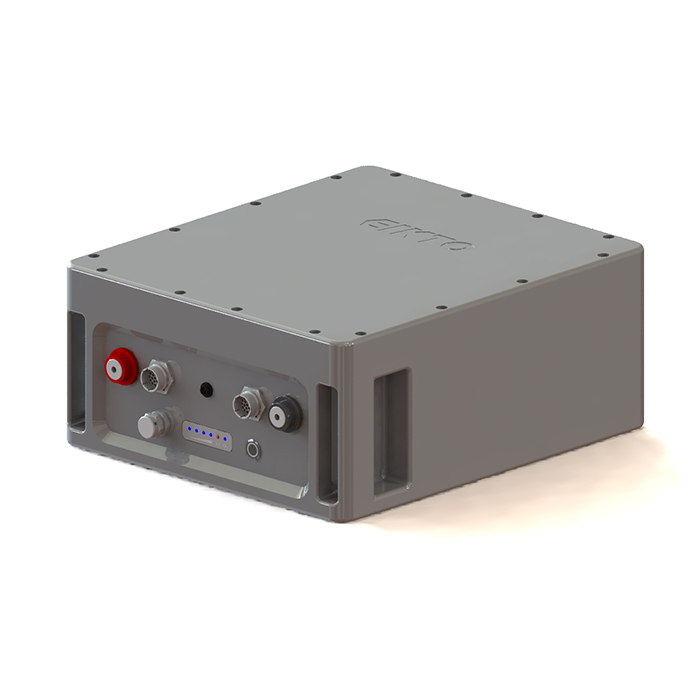
Energy density: The amount of energy stored per unit mass or volume (Wh/kg or Wh/L), which determines the product's endurance or capacity. For example, the energy density of energy storage battery packs is typically 100-180 Wh/kg.
Power density: The output power per unit mass or volume (W/kg or W/L), which determines the charging and discharging speed. For instance, the power density of fast-charging batteries can reach over 3000 W/kg.
Cycle life: The number of full charge and discharge cycles (usually when the capacity drops to 80%), with LFP systems having a cycle life of ≥3000 times, high-end products reaching over 10,000 times, and ternary systems having 2000-3000 times.
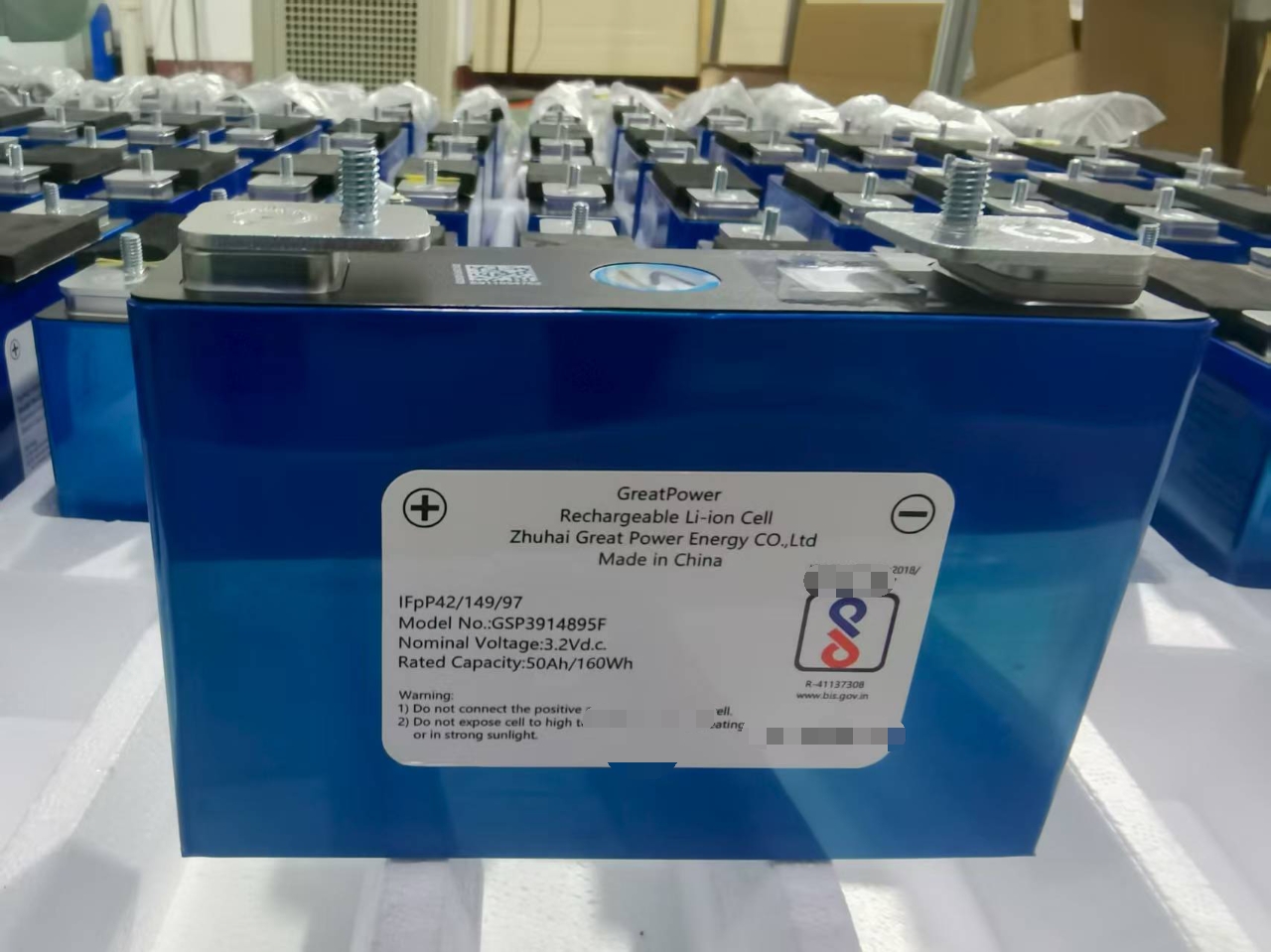
Charge and discharge rate (C rate): A measure of the charging and discharging speed, where 1C = battery capacity (Ah). For example, for a 50Ah battery, 1C charging = 50A current, and 2C charging = 100A current (fully charged in 30 minutes).
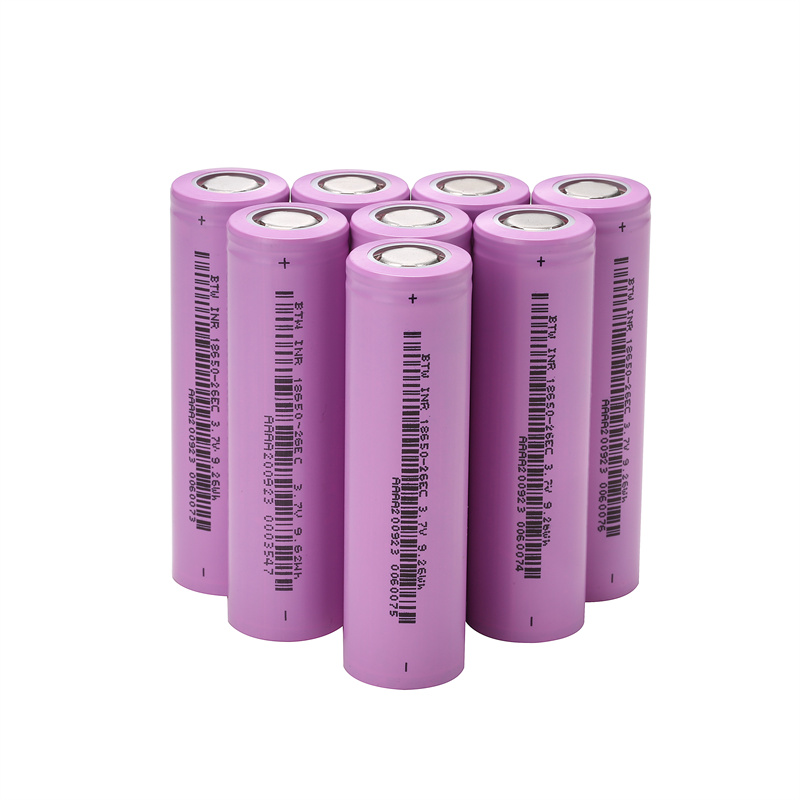
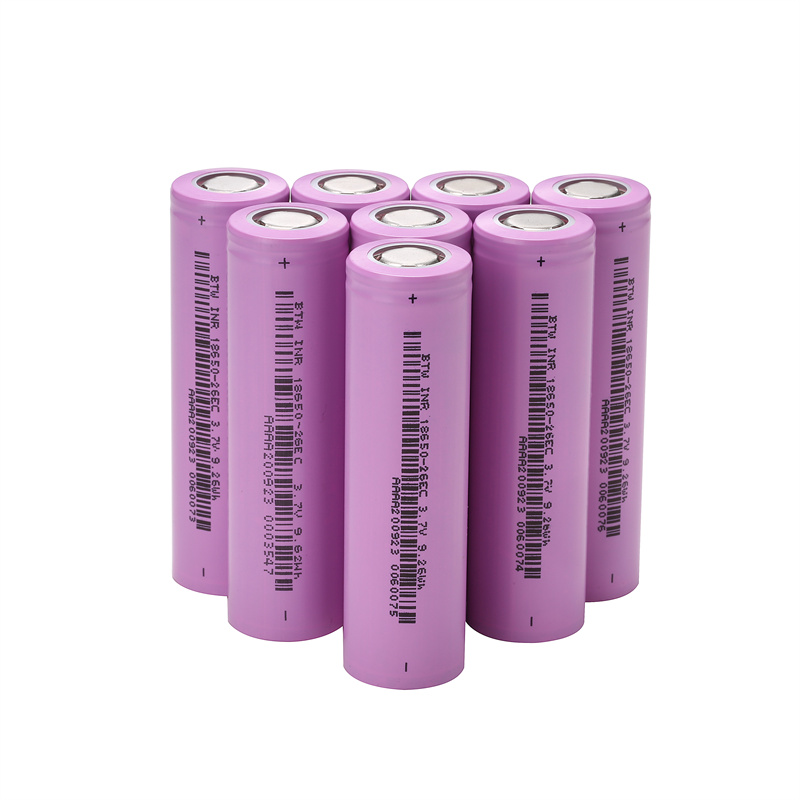
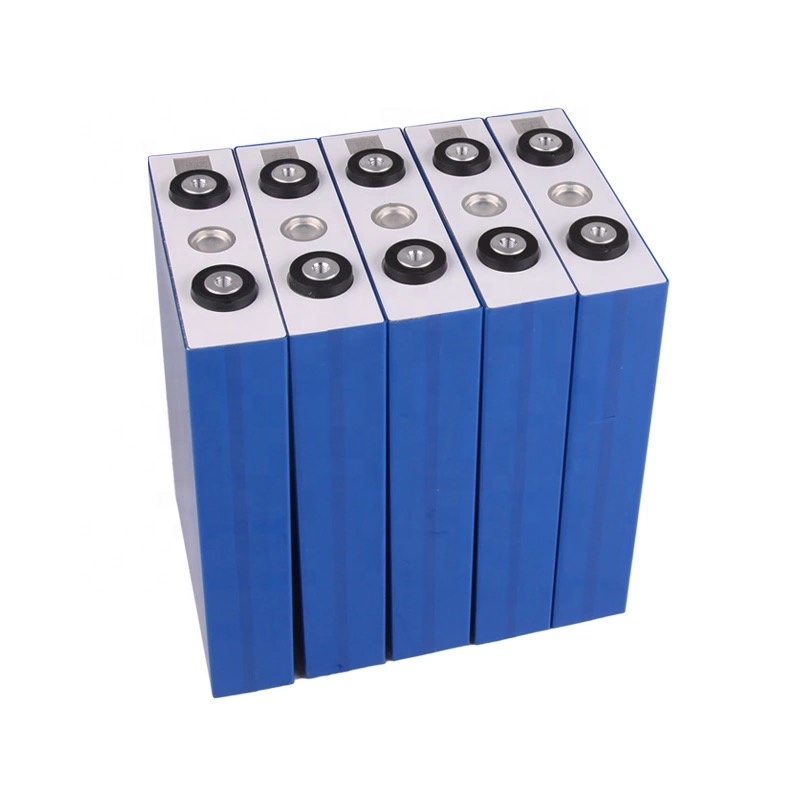
Operating voltage: The voltage of a single cell is typically 3.2V (LFP) or 3.7V (ternary), and the voltage of a battery pack can be customized (such as 48V, 300V, 600V) to meet the requirements of different devices.
Operating temperature: The normal range is -20°C to 60°C (discharging) and 0°C to 45°C (charging). Wide-temperature products can operate stably within -30°C to 55°C.
Self-discharge rate: The loss of charge when the battery is idle. High-quality batteries have a self-discharge rate of ≤3% per month, which is much lower than that of nickel-cadmium batteries (15-20% per month).
Safety indicators: These include the thermal runaway temperature (LFP > 800°C, ternary 200-300°C), the pass rate of needle puncture / compression / short circuit tests, and the response speed of the fire suppression system.
How to Extend 18650 Cell Lifespan?
Sep. 22, 2026
What Are the Advantages of Lithium Marine Batteries?
Sep. 22, 2026