Battery Knowledge
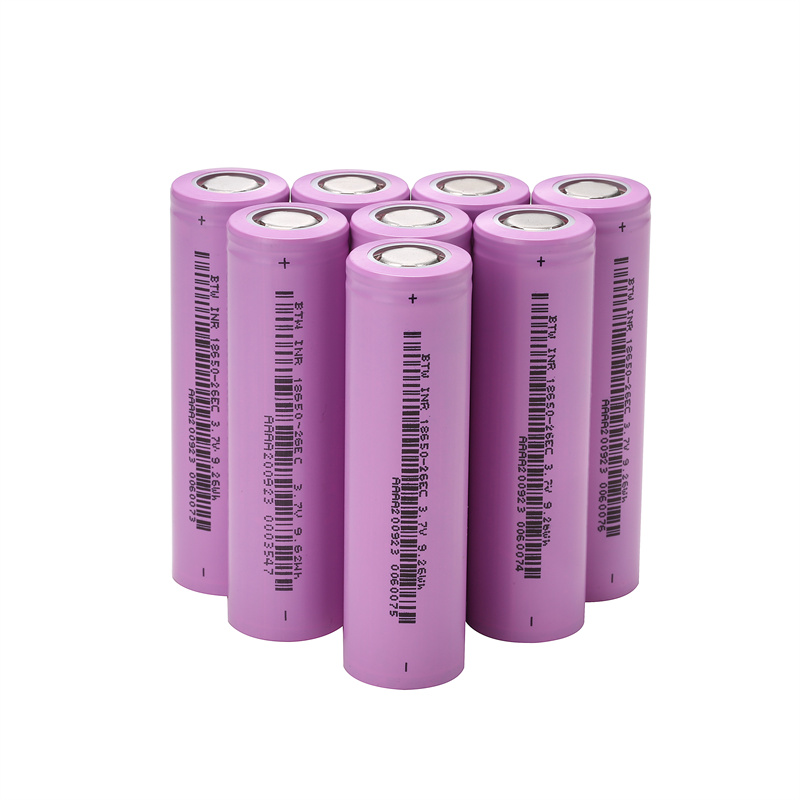
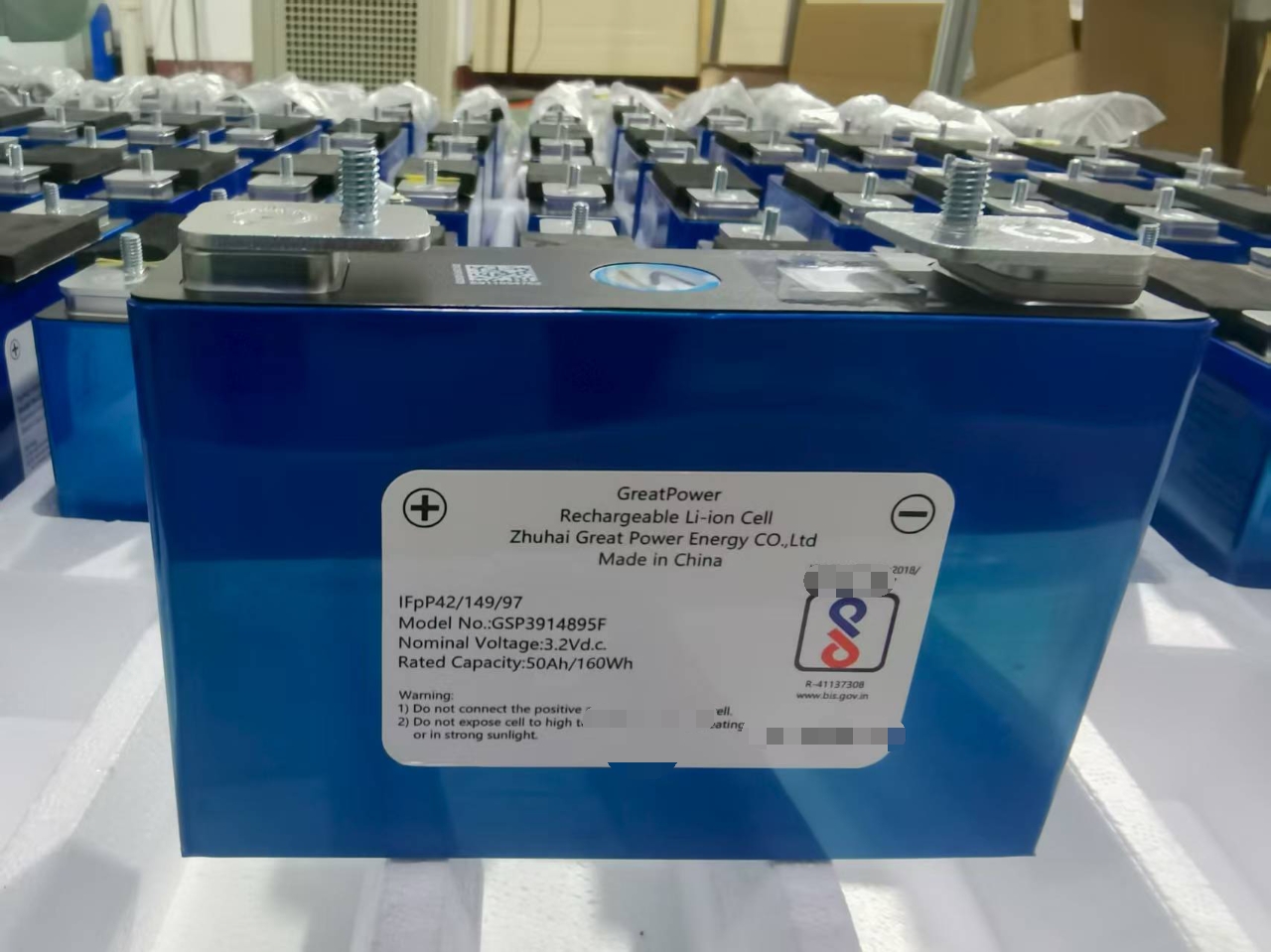
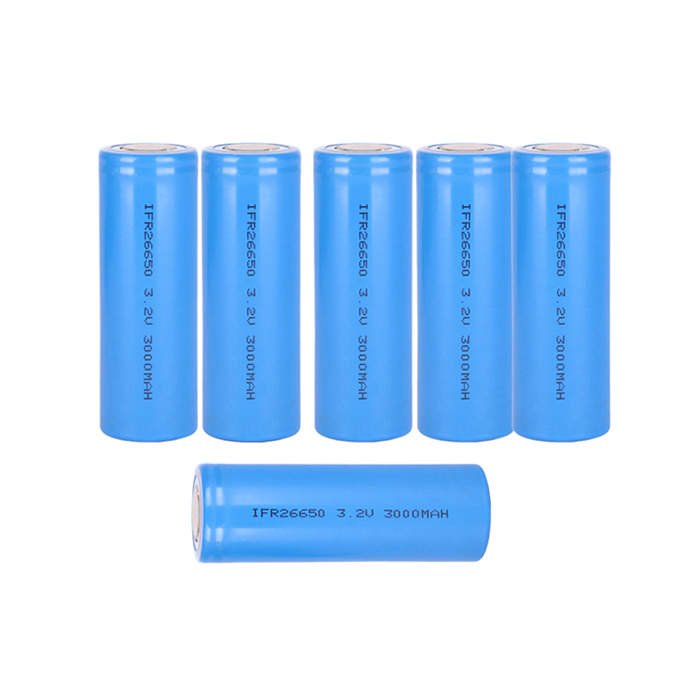
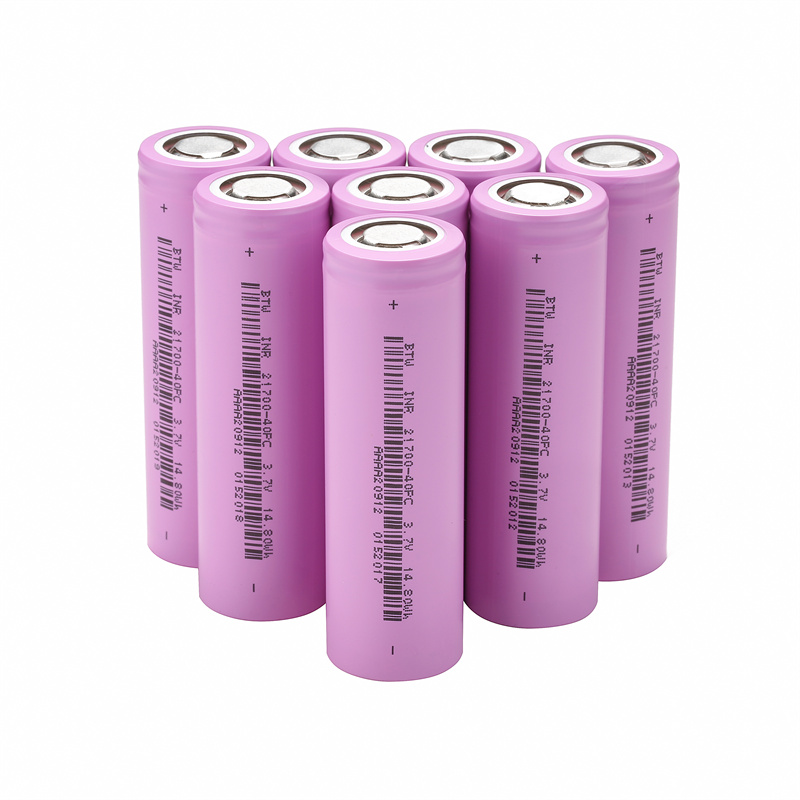
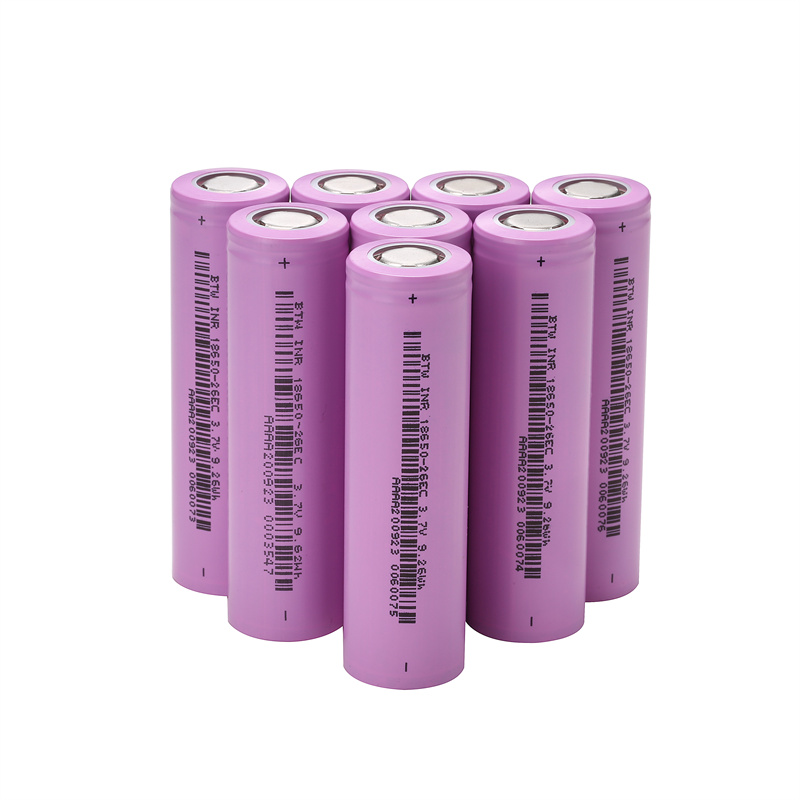
1. Lithium-ion Battery Cells (the Smallest Energy Storage Unit)
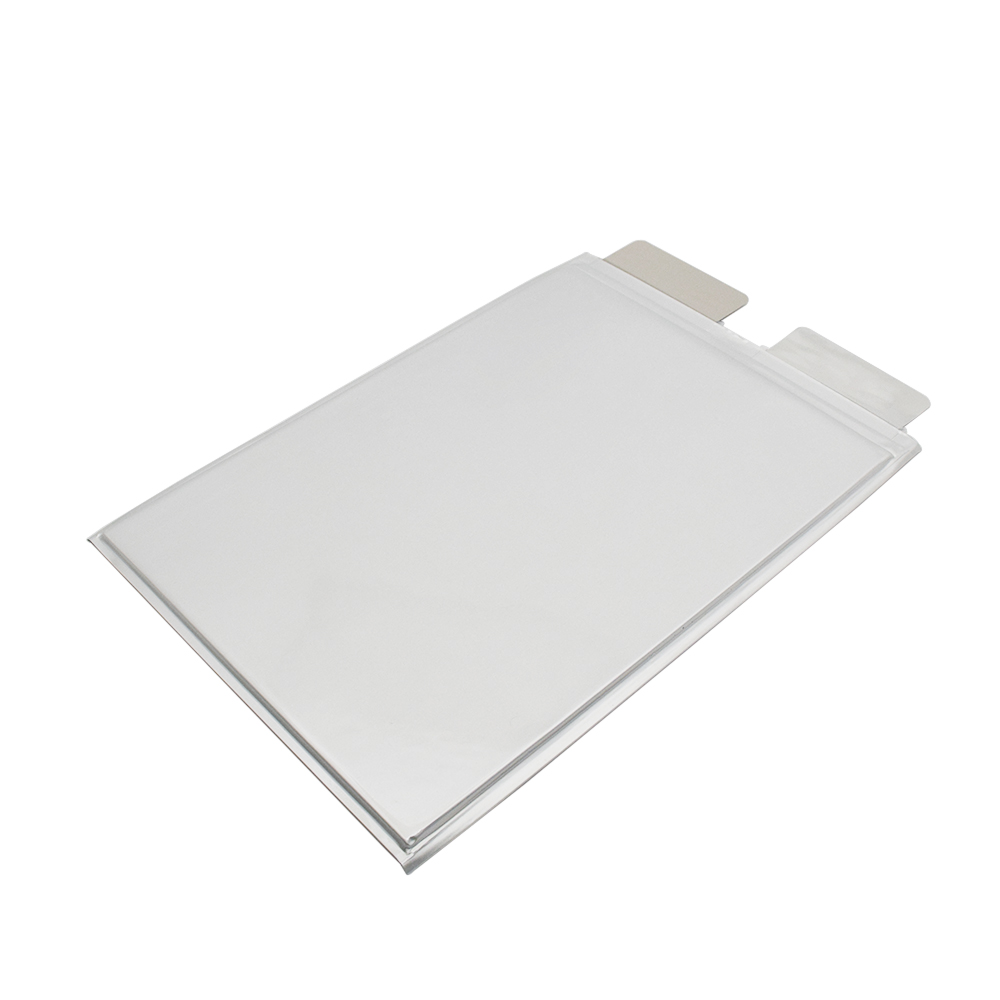
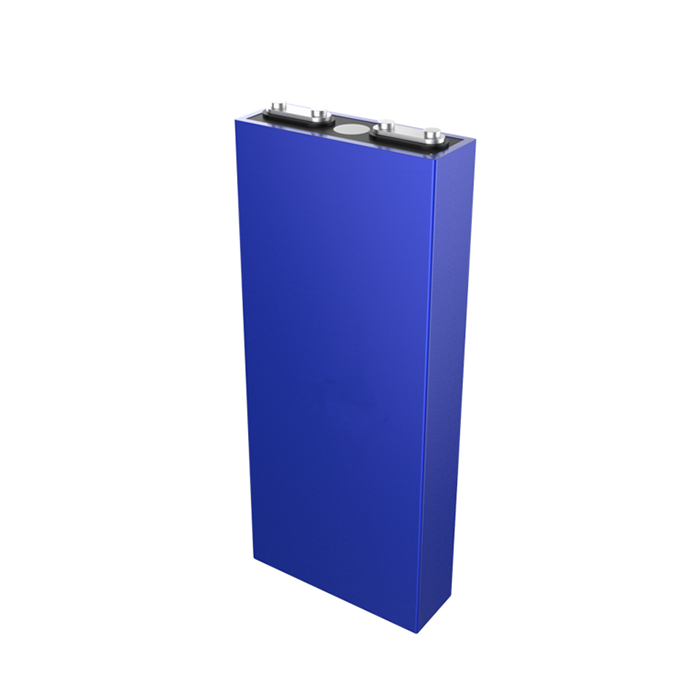
Positive Electrode: The core energy storage carrier, determining the battery's energy density and cycle life. Mainstream materials include:
- Ternary materials (NCM/NCA): such as NCM523, NCM622, NCM811, with high energy density (180-250 Wh/kg), suitable for new energy vehicles;
- Lithium iron phosphate (LFP): with long cycle life (10,000+ cycles), high safety, and low cost, energy density 140-200 Wh/kg, suitable for energy storage and commercial vehicles;
Negative Electrode: Mainly graphite (natural graphite / artificial graphite), some high-end products use silicon-carbon composite negative electrodes (to increase energy density), its role is to store lithium ions;
Electrolyte: Usually lithium hexafluorophosphate (LiPF6) dissolved in carbonate solvents (such as EC, DMC), it is the "channel" for lithium ion migration, affecting the battery's charging and discharging speed and low-temperature performance;
Separator: High-polymer porous membrane (such as PP/PE composite membrane), isolates the positive and negative electrodes to prevent short circuits, allowing lithium ions to pass through. Its pore size and thickness directly affect battery safety.
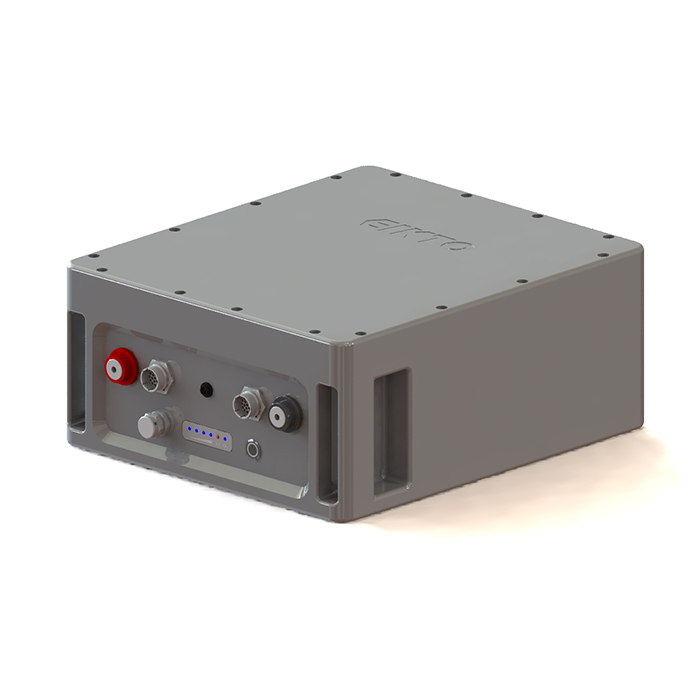
2. Battery Packs (Integrated System of Multiple Cells)
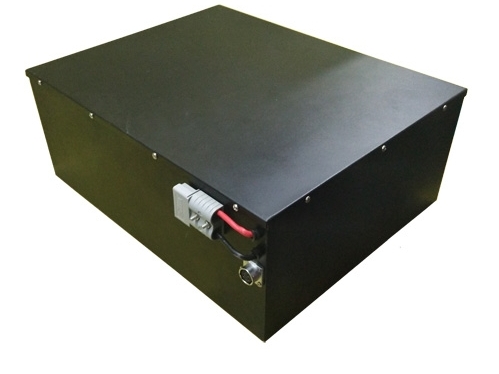
Core Components: Composed of multiple battery cells through series and parallel connections (series increases voltage, parallel increases capacity), combined with a battery management system (BMS), thermal management system, casing, and connection devices;
BMS (Battery Management System): The "brain" of the battery pack, functions include: monitoring cell voltage / temperature, charge / discharge balancing (to avoid cell differences leading to degradation), overcharge / overdischarge / over-temperature protection, SOC (state of charge) / SOH (state of health) estimation, and fault warning;
Thermal Management System: Controls the battery pack's temperature (ideal operating temperature 20-35°C), mainstream solutions include:
- Air cooling: low cost, suitable for small-scale energy storage and consumer electronics;
- Liquid cooling: high heat dissipation efficiency, good temperature uniformity, suitable for new energy vehicles and large-scale energy storage;
- Phase change material cooling: suitable for special applications in extreme environments;
Casing: Made of aluminum alloy, stainless steel, or engineering plastics depending on the application scenario, typically with a protection level of IP54+ (dustproof and waterproof), ensuring mechanical strength and safety.
How to Extend 18650 Cell Lifespan?
Sep. 22, 2026
What Are the Advantages of Lithium Marine Batteries?
Sep. 22, 2026