Battery Knowledge
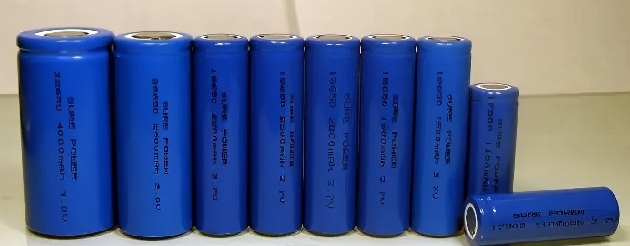
Lithium-ion batteries are secondary batteries (rechargeable), and their core function relies on the intercalation and deintercalation of lithium ions between the positive and negative electrodes to achieve energy storage and release. Throughout this process, no metallic lithium is precipitated, which results in better safety and longer cycle life.
Charging process: Driven by an external power source, lithium ions deintercalate from the positive electrode material, migrate through the electrolyte to the negative electrode, and intercalate into the crystal lattice of the negative electrode material. Meanwhile, electrons form a current through the external circuit.
Discharging process: Lithium ions deintercalate from the negative electrode, travel back to the positive electrode through the electrolyte, and electrons flow through the external circuit to the load (such as electric vehicles or energy storage devices), thereby generating electrical energy output.
Core advantages: High energy density (3-4 times that of lead-acid batteries), long cycle life, low self-discharge rate (≤3% per month), and no memory effect. It is currently the mainstream battery technology in the new energy field.
Previous: The "Composition Code" of Battery Cells and Battery Packs
Next: None
How to Extend 18650 Cell Lifespan?
Sep. 22, 2026
What Are the Advantages of Lithium Marine Batteries?
Sep. 22, 2026