Battery Knowledge
Home > News > Battery Knowledge > Lithium‑ion Battery vs Lead‑acid Battery: A Comprehensive Comparison
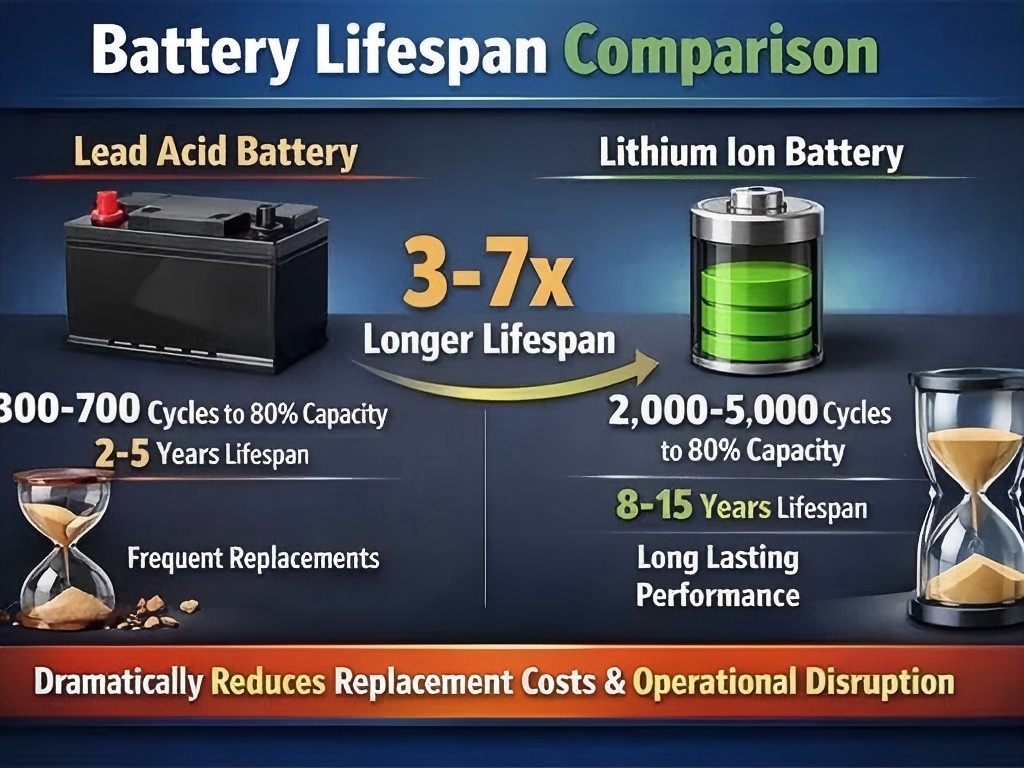
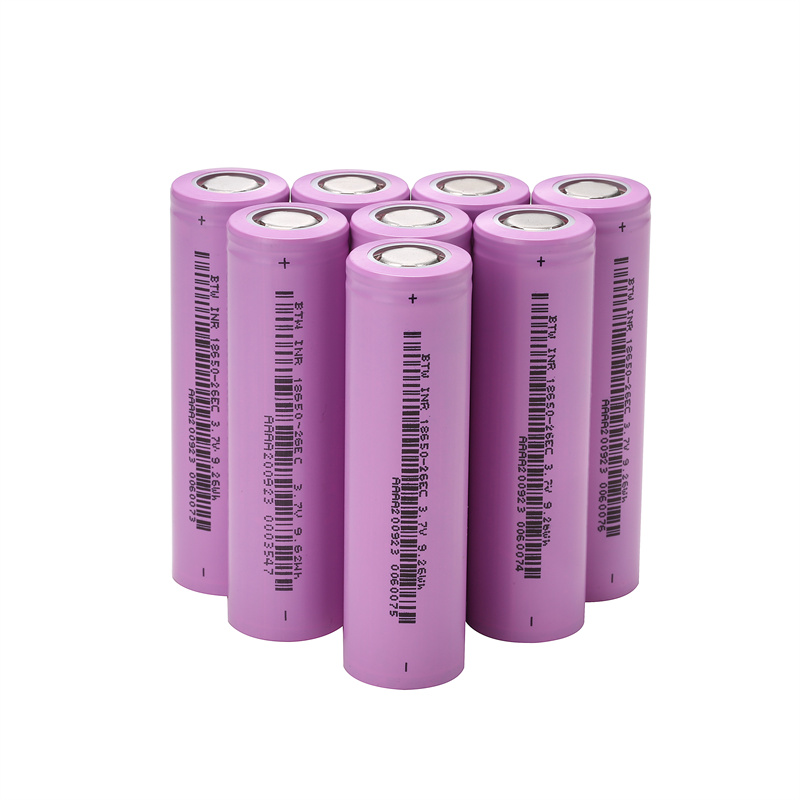
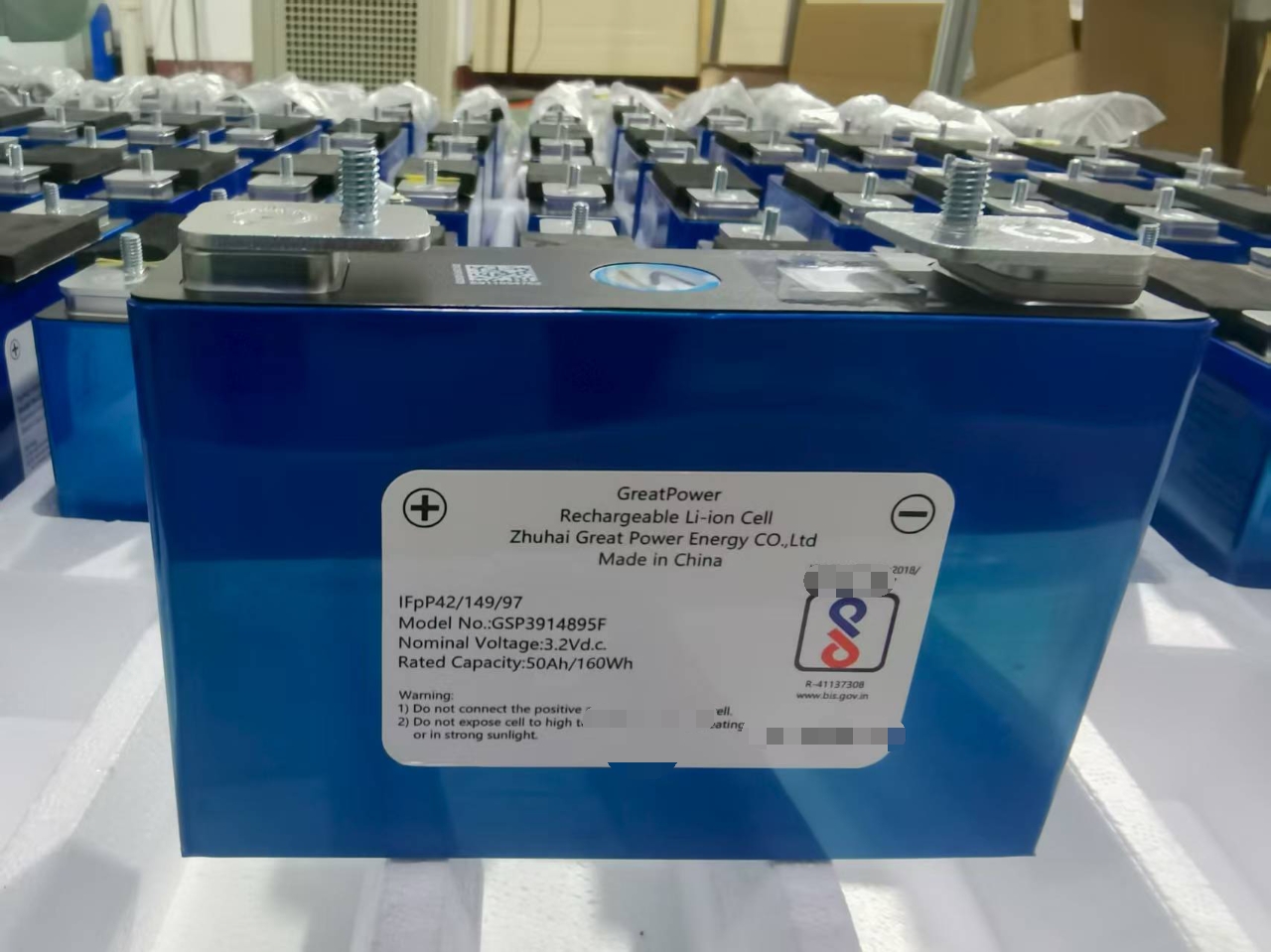
Lithium‑ion batteries and lead‑acid batteries are two dominant battery types widely adopted in civil and commercial power and energy‑storage applications, including electric vehicles, portable power stations, UPS systems, photovoltaic energy storage, mobility scooters and other equipment. They differ greatly in working principles, performance, service life, cost, safety and application scenarios. This article compares their advantages and disadvantages from multiple dimensions to facilitate quick selection.
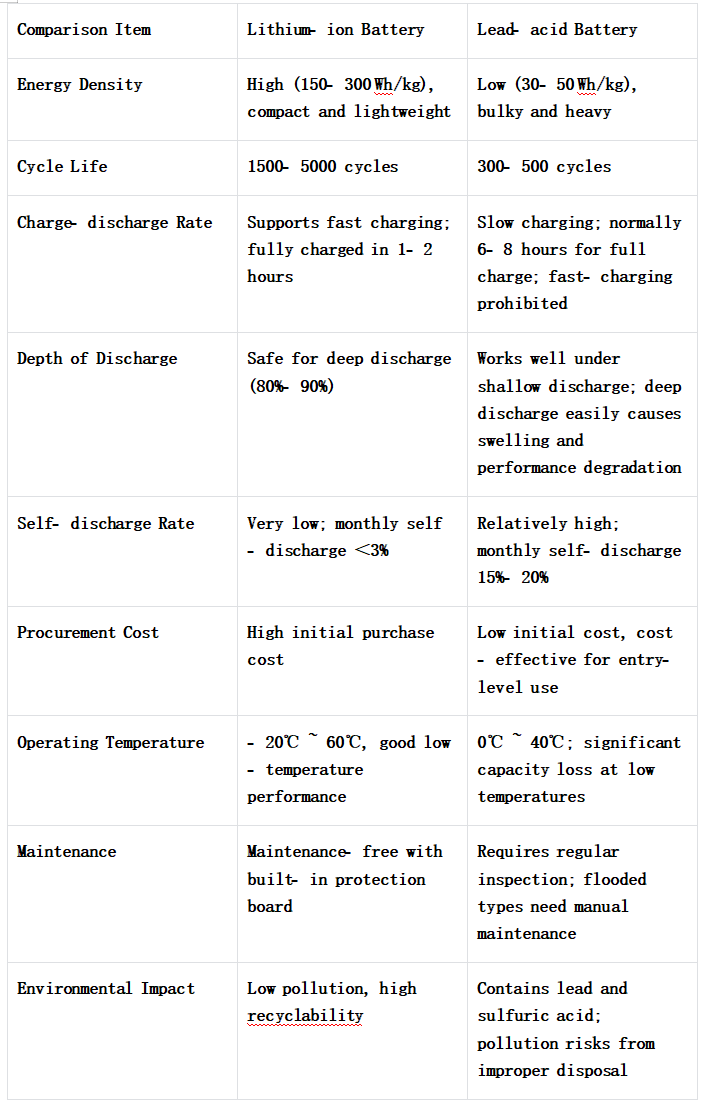
1. Core Parameter Comparison Table
2. Detailed Advantages & Disadvantages
2.1 Weight & Size (Portability)
Lithium‑ion battery: Outstanding portability. For the same energy capacity, its weight is only 1/4‑1/3 of a lead‑acid battery with smaller footprint. Take a 48V20Ah battery for electric bikes as an example: a lead‑acid pack weighs 14‑16 kg while a lithium‑ion pack weighs merely 4‑6 kg. It can be easily removed and carried, bringing lighter vehicle weight and better handling and range.
Lead‑acid battery: Low energy density, heavy and bulky. Large‑capacity lead‑acid batteries add considerable load to equipment, increasing power consumption and reducing acceleration. They are hard to detach for portable use and limit installation options.
2.2 Service Life & Cycle Performance
Lithium‑ion battery: Long service life. Main‑stream lithium iron phosphate batteries achieve 2000‑5000 cycles; ternary lithium‑ion batteries reach 1500‑2000 cycles. Proper use delivers 3‑8 years of service with mild capacity decay without abrupt range drop‑off.
Lead‑acid battery: Short service life and fast degradation. Typical cycle life is only 300‑500 cycles. Obvious range loss, incomplete charging and swelling often occur after 1.5‑3 years of daily use, requiring frequent replacement and raising long‑term costs.
2.3 Charging Performance & User Experience
Lithium‑ion battery: Supports high‑current fast charging with dedicated smart chargers, reaching full charge within 1‑2 hours for emergency and daily commuting. Voltage output remains stable during discharge, delivering consistent power without weakening output towards the end of discharge.
Lead‑acid battery: Requires slow low‑current charging with a full‑charge duration of 6‑8 hours. Fast‑charging is forbidden, otherwise swelling and permanent damage will occur. Voltage drops sharply at the late discharge stage, resulting in insufficient power and poor acceleration.
2.4 Self‑discharge & Shelf Performance
Lithium‑ion battery: Very low self‑discharge, losing less than 3% capacity per month when fully charged. Suitable for long‑term standby storage and seasonal idle equipment; frequent supplementary charging is unnecessary.
Lead‑acid battery: Severe self‑discharge with 15%‑20% capacity loss every month. Long‑term idle storage easily causes over‑discharge failure and plate sulfation. Batteries may be permanently damaged if left unused for more than half a month without recharging.
2.5 Capital & Lifecycle Cost
Lithium‑ion battery: Higher upfront investment, 2‑3 times the price of equivalent lead‑acid batteries. Nevertheless, long service life and low replacement frequency reduce annualized cost for long‑term operation.
Lead‑acid battery: Its biggest merit is low entry‑level price. However, frequent replacement every 2‑3 years plus labor and maintenance expense result in higher total long‑run cost.
2.6 Safety & Stability
Lithium‑ion battery: Performance varies by chemistry. Lithium iron phosphate features high thermal stability and low risk of fire or explosion. Ternary lithium‑ion batteries offer higher energy density but carry thermal runaway risks under high temperature, puncture or extrusion. Qualified packs are equipped with BMS (Battery Management System) to prevent over‑charge, over‑discharge and short‑circuit.
Lead‑acid battery: Mature and stable technology with rare fire‑explosion hazards, safer than ordinary ternary lithium‑ion cells. Poorly sealed units may leak corrosive electrolyte; over‑charging generates gas and swelling with potential safety risks.
2.7 Low‑temperature Behavior
Lithium‑ion battery: Good cold‑resistance, retaining over 60% capacity at ‑20℃ with acceptable winter performance for cold‑climate regions.
Lead‑acid battery: Poor cold tolerance. Capacity drops heavily below 0℃; cruising range may be halved at ‑10℃, limiting winter practicality.
3. Recommended Application Scenarios
✅ Choose Lithium‑ion Batteries for:
• Lightweight, detachable electric bikes and mobility scooters
• High‑frequency commuter or commercial vehicles requiring fast charging
• Portable power stations, photovoltaic energy storage and home backup power
• Equipment used in cold northern areas or for long‑term standby
• Applications pursuing long‑term stability, low maintenance and few replacements
✅ Choose Lead‑acid Batteries for:
• Low‑budget low‑speed electric vehicles and mobility aids
• Stationary UPS, computer‑room backup power and industrial standby power
• Fixed installations with no portability requirements
• Infrequently‑used equipment where only basic functionality is needed
4. Conclusion: How to Make Your Choice
1. Pick lithium‑ion batteries if you value user experience, long‑term service, cold‑weather performance, portability and fast charging. Despite higher upfront cost, they are durable, reliable and cost‑effective on an annual basis, representing the mainstream development trend.
2. Pick lead‑acid batteries for tight‑budget, stationary, infrequent‑use or short‑term transitional applications. They provide proven stability and low initial expenditure for basic‑demand scenarios.
Core conclusion: Lithium‑ion batteries deliver overall superior performance as the future mainstream solution. Lead‑acid batteries serve as low‑cost entry‑level options. With technological advances and cost reduction, lithium‑ion batteries are gradually replacing lead‑acid batteries in most application fields.
How to Extend 18650 Cell Lifespan?
Sep. 22, 2026
What Are the Advantages of Lithium Marine Batteries?
Sep. 22, 2026