Battery Knowledge
Home > News > Battery Knowledge > Analysis of the Comprehensive Impact of the PPWR Regulations on China's Lithium Battery Exports to the 27 EU Countries
I. Overview of the Regulatory Basis
The PPWR, or Regulation (EU) 2025/40, will be uniformly implemented across the 27 EU countries starting from August 12, 2026, replacing the old packaging directive that has been in effect for 30 years. All member states will have a unified standard without any national transitional period.
Core Boundary Distinctions (Common Misconceptions of Chinese Lithium Battery Manufacturers)
1. Controlled Objects: Only the packaging materials at all levels are regulated, including vacuum aluminum plastic films for cells, plastic inner supports, product color boxes, cushion foams, logistics wooden boxes, tapes, wrapping films, labels and tags; the cell itself and the PACK battery body are not regulated.
2. Parallel Compliance Obligations: Lithium battery export enterprises must simultaneously meet two independent regulations:
○ EU Battery Regulations: Control the carbon footprint of the battery, battery passports, and hazardous substances, and need to register for EPR of the battery;
○ PPWR Packaging Regulations: Control all inner and outer packaging, and need to separately register for packaging EPR;
The two cannot be replaced, and any one of them is missing will prevent entry into the EU market.
3. Comprehensive Coverage of Applicable Products: 3C portable lithium batteries, electric tool batteries, two-wheeled vehicle lithium batteries, passenger vehicle power PACKs, industrial and commercial energy storage batteries, with no exemptions for samples or large quantities of goods.
II. Hard Constraints on Packaging Materials and Structural Design (Directly Transforming Domestic Lithium Battery PACK Production Lines)
Chemical Hazardous Substance Mandatory Limitation and Control, Large Amounts of Existing Packaging Materials Directly
1. Permanent Chemical Substances (PFAS) Strict Limits
The widely used waterproof coatings, vacuum composite membranes for cells, foam insulation tapes, color box printing inks, and vacuum bags with waterproof coatings in the lithium battery industry, the total PFAS content is ≤ 250ppb, and each item is ≤ 25ppb. Traditional battery packaging boxes with waterproof coatings, multi-layer composite vacuum bags cannot be exported to the EU. Large storage wooden boxes for energy storage and charging battery inner supports are key inspection categories by EU customs.
2. Tightening of Total Heavy Metal Content
The total content of lead, cadmium, mercury, and hexavalent chromium in all packaging materials is ≤ 100mg/kg. Buffer foams, adhesives, and color-printed cardboards must provide third-party CNAS/CMA test reports, and any unqualified determination will result in the overall failure of the packaging.
Strict control of excessive packaging, mandatory lightweighting, and single recyclable materials
1. Hard 2030 Target: The upper limit of battery packaging void space is 50%, and multi-layer composite plastic buffer components are prohibited; the current transitional period has already restricted multi-layer redundant protective structures. Large energy storage battery multi-layer wooden boxes and multi-foam protection schemes must simplify the structure.
2. Simplification of Material Requirements: Vacuum bags for cells, insulation inner linings are prohibited from using multi-layer difficult-to-recycle composite materials; one-time plastic buffer materials are gradually restricted, logistics turnover wooden boxes must meet the standard for repeated recycling.
3. Mandatory Recycled Material Ratio (to be implemented in 2030): The minimum proportion of recycled plastic packaging raw materials is 35%, the plastic sealing bags and air cushion bags for cells need to change the raw material formula, domestic packaging material suppliers need to upgrade their production lines simultaneously.
Uniform and standardized label and identification, 27 countries' implementation standards are consistent
1. The battery outer packaging must print the EU standardized classification and recycling icon, the battery recycling logo and packaging recycling logo are printed separately, and it is prohibited to combine and mix;
2. Clearly mark the name and address of the local importer in the EU on the packaging surface; starting from February 2027, mandatory printing of EPR traceability QR code, cross-border platforms and customs clearance must verify the QR code information.
III. Compliance Qualification Thresholds: The Unique EPR Registration Pressure for Chinese Lithium Battery Manufacturers
Independent EPR Registration by Multiple Countries (Core Admission Barrier) 1. The EPR registration numbers of the 27 EU member states are not mutually compatible. When selling to any member state such as Germany, France, Italy, or Spain, each product needs to be registered separately for packaging EPR. Chinese factories and brand owners do not have local EU entities. They must appoint an EU-authorized representative as the legal responsible person to complete registration, annual declaration, and payment of the recycling ecological fee.
2. Dual EPR mandatory requirements: Lithium battery enterprises must hold two sets of registration numbers for both battery EPR and packaging EPR. Registering only one set will result in the complete removal of all lithium battery SKUs from Amazon and independent websites. Customs seizure of goods will not be released if the fee is not paid.
3. Annual declaration obligation: Every year, the total weight of packaging for all shipments in each sales country should be declared (statistics by paper/plastic/metal categories). Failure to declare on time will result in high late fees and restrictions on the entry of all lithium batteries into the EU.
Exporting essential complete technical documents (random checks at customs at any time)
Each battery model requires the enterprise to retain a complete set of materials for long-term use, with a retention period of no less than 10 years:
1. PPWR compliance statement DoC;
2. Third-party material testing reports (PFAS, heavy metals, recyclability grade);
3. BOM list of packaging materials, used for calculating EPR fees in each country;
All materials should be kept with the goods for reference, and missing documents will directly determine the non-compliance of the goods.
Four. The full chain cost increase, compressing the profit of Chinese lithium battery exports
One-time transformation costs
1. Packaging redesign cost: The original color box, vacuum film inner support, and vacuum film need to be re-molded, sampled, and tested by a third party, with a single battery packaging testing cost of several thousand yuan; the transformation cost for multiple SKU lithium battery factories can reach tens of thousands.
2. Inventory scrap loss: The existing packaging with PFAS-coated and multi-layer composite difficult-to-recycle packaging cannot be sent to the EU and can only be reworked or scrapped, resulting in large inventory losses.
3. Production line transformation costs: Adjustment of the packaging process in the PACK workshop, elimination of traditional coating and multi-layer cushioning processes, and addition of packaging compliance control positions.
Long-term continuous operating costs
1. Raw material purchase price increase: Without PFAS environmental-friendly coating, high recycled plastic, and single-material cushioning materials, the purchase cost of these materials has increased by 10% to 25%;
2. Annual fixed EPR expenses: Registration service fees for multiple countries, annual declaration service fees, and packaging recycling ecological fees charged based on shipment volume, with higher costs for larger shipment volumes;
3. Regular testing costs: Quarterly packaging material sampling, when changing suppliers or packaging materials, a full-item retest is required;
4. Compliance personnel cost: Adding full-time packaging compliance personnel, maintaining the EPR account of each country, archiving all testing materials, and connecting with EU regulatory agencies.
Upstream supply chain reconfiguration costs
Domestic lithium battery PACK factories need to re-screen compliant packaging material suppliers that can provide complete detection reports for PFAS and heavy metals, eliminate small and medium-sized packaging factories without detection capabilities, and completely reconfigure the packaging procurement supply chain.
Five. Severe penalties for customs clearance and cross-border channels (extremely strong impact on Chinese export enterprises)
Cross-border e-commerce platform control (Amazon, Shopify, independent websites)
The platform forcibly verifies the EPR registration number of packaging, lithium battery SKUs without compliant qualifications will be permanently removed, and the store performance will be deducted points. In severe cases, the store's FBA inventory will be frozen, the pan-European sales authority will be closed, and new product listings will be restricted.
EU customs entry penalties (the value loss of the entire lithium battery shipment is extremely high)
1. Cargo seizure, local return or destruction, resulting in huge losses from port detention, storage, and round-trip logistics; for energy storage and power battery single container, the value is millions, and the economic loss is far greater than that of small batteries.
2. Administrative fines: The highest penalty for non-compliant enterprises is a global annual turnover penalty of 6% of the fine, covering all responsible entities including Chinese domestic manufacturers, brand owners, and cross-border sellers. 3. Enterprises that violate the regulations severely will be included in the EU market blacklist, and all lithium battery categories will be permanently prohibited from entering the 27 EU countries.
6. Different lithium battery export categories have different impacts
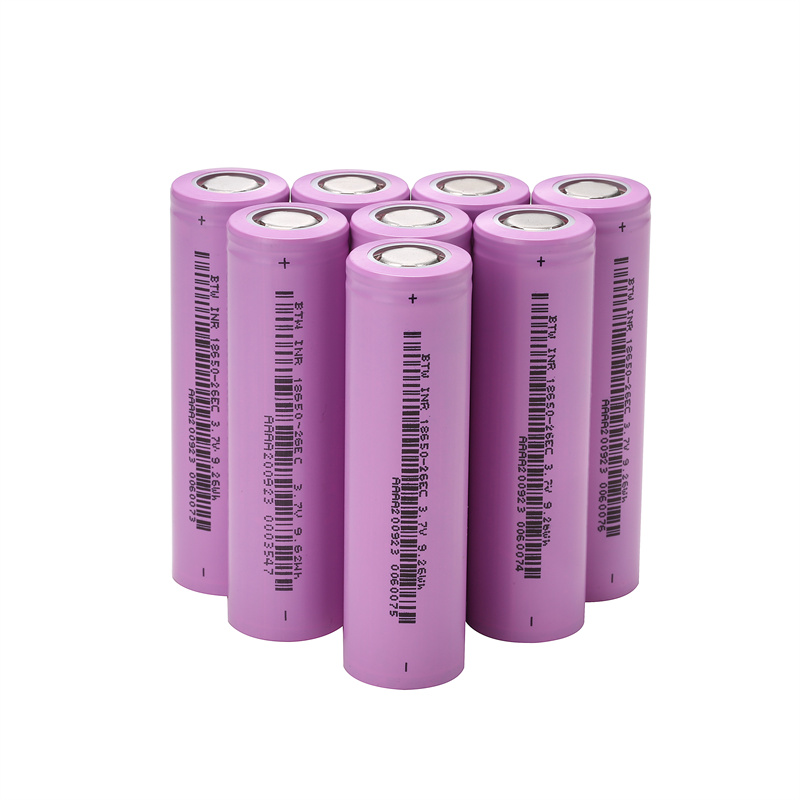
1. 3C / Electric tools portable lithium batteries
The packaging is small in size, multi-layer plastic cushioning, waterproof coating, and is widely used. The packaging rectification workload is the largest; the online cross-border sales channels have the strictest EPR verification, and the risk of being removed due to violation is the highest.
2. Two-wheel vehicles, light transportation lithium batteries
The single batch shipment volume is large, and the total weight of packaging materials is high. The annual ecological payment pressure of EPR is significant; the batch logistics wooden boxes need to be transformed into reusable structures.
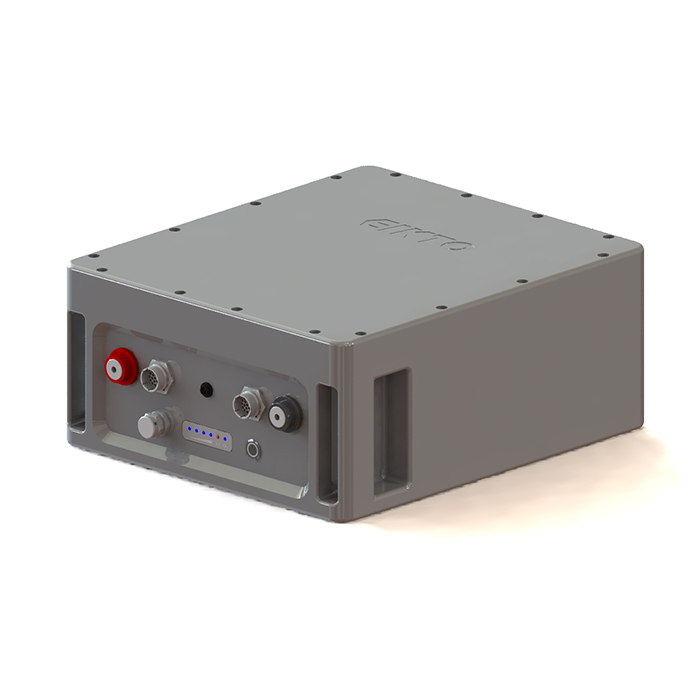
3. Industrial energy storage, large battery PACK
Multi-layer wooden boxes, thick plastic cushioning, and multi-layer insulation packaging are prone to trigger "excessive packaging" verification; the value of a single container is extremely high, and the economic losses and order default risks brought by customs seizure of goods are the highest.
7. Long-term and far-reaching impact on the export prices of China's lithium battery industry
1. The industry entry threshold has been raised, and small factories are accelerating their exit from the EU market
Small lithium battery factories without a compliance team and no testing budget, pure traders, cannot afford the costs of EPR registration, packaging modification, and regular testing, and gradually exit the EU market. EU orders are concentrated towards the leading compliant lithium battery enterprises.
2. It forces the domestic packaging industry to upgrade to a green model
Non-chlorofluorocarbon, low heavy metals, and single recyclable environmentally friendly packaging materials have become the standard for lithium battery exports. The domestic packaging industry is accelerating the elimination of outdated coatings and composite processes and adapting to the EU green trade standards.
3. Reconfiguration of export quotation system
Domestic lithium battery factories must add additional compliance costs such as packaging modification, EPR registration, and third-party testing when quoting to EU customers. The original low-price competition model has failed, and the bargaining logic of overseas customers has completely changed.
4. Green trade barriers intensify competition pressure
The combination of PPWR and EU battery regulations, carbon border tax CBAM, multiple green regulations forms a composite trade barrier. Chinese lithium battery export enterprises have a weakened compliance cost advantage compared to low-cost factories in Southeast Asia.
8. Response plans for Chinese lithium battery export enterprises to implement
1. Comprehensive packaging inventory: Sort out all packaging materials such as vacuum films, injection-molded inner supports, color boxes, cushioning foams, logistics wooden boxes, and tapes, and complete PFAS and heavy metal third-party testing;
2. Simultaneous registration of packaging EPR for EU sales countries, equip with EU local authorized representatives, and establish two independent ledgers for battery EPR and packaging EPR separately;
3. Lightweight packaging modification: Eliminate composite materials that are difficult to recycle, simplify the buffering structure, and use all single recyclable materials, replace PFAS coatings and coatings;
4. Standardized document management: Uniformly archive packaging test reports, DoC compliance statements, material BOM lists, and keep them as supporting documents for customs clearance;
5. Order partition control: Incompliant old packaging is only used for shipments to non-EU markets such as Southeast Asia and the Middle East, while EU orders all use new compliant packaging;
6. Establish a regular compliance internal audit mechanism: Conduct random inspections of packaging materials every quarter, update EPR declaration data for each country, and follow up on the requirements of the phased new regulations in 2027 and 2030.
How to Extend 18650 Cell Lifespan?
Sep. 22, 2026
What Are the Advantages of Lithium Marine Batteries?
Sep. 22, 2026