Battery Knowledge
Home > News > Battery Knowledge > Sodium-ion Battery vs Lithium-ion Battery: A Complete Buyer’s Guide for Commercial Applications
Introduction
As global demand for rechargeable energy storage surges, business buyers face a critical question: Lithium-ion or Sodium-ion batteries? Many market observers mistakenly claim sodium-ion batteries will fully replace lithium technology. In reality, these two battery chemistries are complementary solutions, each with unique strengths tailored to distinct commercial scenarios. Whether you source power packs for electric motorcycles, e-bikes, industrial robots, outdoor energy storage or power tools, understanding their core differences helps you select the most cost-effective, reliable battery solution for your projects.
Core Performance Comparison
1. Energy Density
Lithium-ion Battery (LFP / NMC) Energy density ranges: 140–285 Wh/kg. Higher energy density means lighter weight and smaller volume under the same capacity. Best for equipment requiring long driving range and strict limits on weight and space.
Sodium-ion Battery Energy density: 90–160 Wh/kg. Lower than lithium-ion. For the same capacity, sodium battery packs are slightly heavier and bulkier.
2. Low-Temperature Performance (Key Advantage of Sodium-ion)
Sodium-ion batteries exhibit outstanding cold resistance. At -20°C, they maintain 85%–92% of rated capacity, and support normal charging without heating systems.
Standard lithium iron phosphate batteries typically retain only 50%–65% capacity at -20°C, often requiring thermal management to avoid performance loss in frigid regions. This makes sodium-ion ideal for markets with cold winters, highland areas and outdoor equipment.
3. Raw Material Supply & Cost Trend
Lithium-ion Relies on limited lithium resources; price volatility strongly impacts battery costs. High-grade variants also consume cobalt, nickel and graphite.
Sodium-ion Sodium minerals are abundant globally with wide geographical distribution. No lithium, cobalt or nickel required. Long-term production costs show a clear downward trend, effectively resisting raw material price fluctuations.
4. Safety & Thermal Stability
Sodium-ion cells feature excellent thermal stability with low risk of thermal runaway under overcharge, extrusion or puncture abuse.
Lithium-ion safety varies by chemistry. NMC lithium batteries carry higher thermal risks; LFP lithium delivers good safety but still cannot match sodium-ion under extreme harsh conditions.
5. Cycle Life
· LFP Lithium-ion: 3000–6000 charge-discharge cycles
· Commercial Sodium-ion: 2000–4000 cycles For long-life stationary storage projects, lithium iron phosphate still maintains an edge.
6. High-Temperature Adaptability
Both technologies operate stably within normal working temperature. Under sustained high-temperature environments above 45℃: Lithium-ion batteries need stricter heat dissipation design; High-quality sodium-ion products also sustain stable output, with milder capacity attenuation.
Suitable Application Scenarios
Choose Lithium-ion Batteries if you need:
• E-bikes & electric motorcycles pursuing lightweight and long mileage • Portable power tools, drones, small robotics
• Long-range light electric vehicles
• Projects with limited installation space and strict weight control
Choose Sodium-ion Batteries if you need:
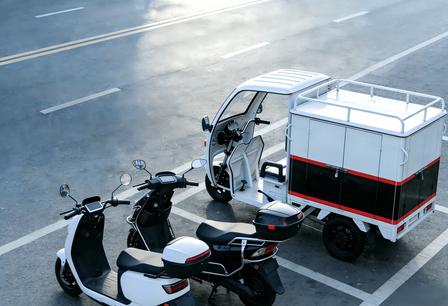
• Low-speed electric vehicles, delivery scooters
• Outdoor energy storage, backup power, base station UPS
• Equipment operated in cold climate zones
• Cost-sensitive projects with less strict weight requirements
Common Misconception Clarified
Myth: Sodium-ion batteries will eliminate lithium-ion batteries in the near future. Fact: The two technologies serve segmented markets. Lithium-ion remains irreplaceable for high energy-density scenarios. Sodium-ion acts as a powerful low-cost supplement, expanding affordable clean energy options worldwide.
Our Solution
We supply mature, certified lithium-ion battery packs (EVE 18650 lithium cells, LFP modules for e-motorcycles, robotics and energy storage) and support customized sodium-ion battery solutions for bulk orders. Our engineering team can evaluate your working environment, budget and performance requirements to recommend the optimal battery chemistry.
Get Professional Consultation
Do you need customized battery packs for electric two-wheelers, industrial equipment or energy storage? Contact our technical sales team today to receive tailored proposals and competitive quotations.