Battery Knowledge
Home > News > Battery Knowledge > Why 18650 Cells Remain the Preferred Battery Choice for Electric Bikes in 2026
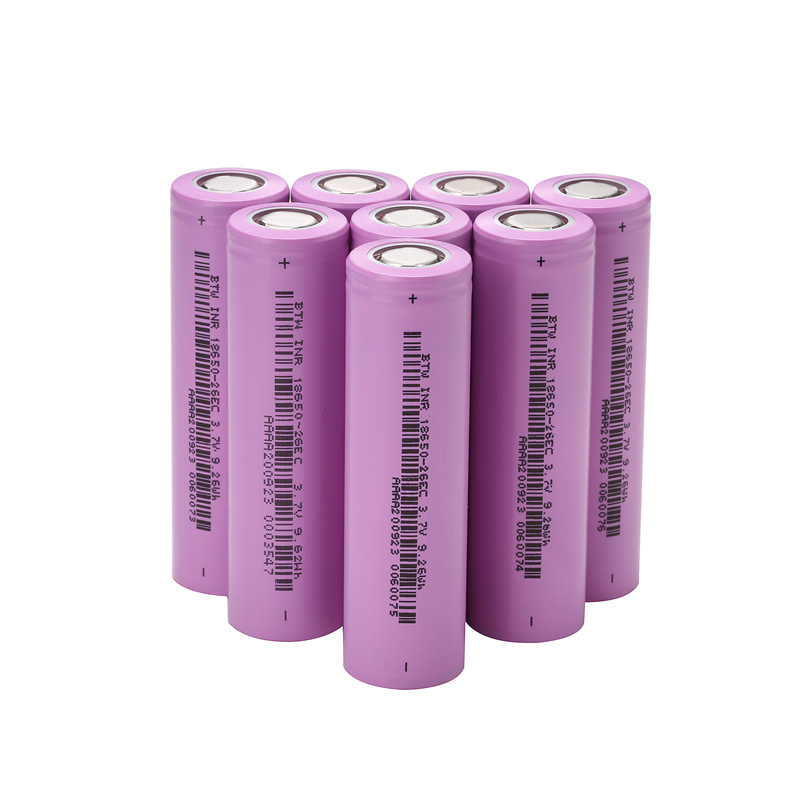
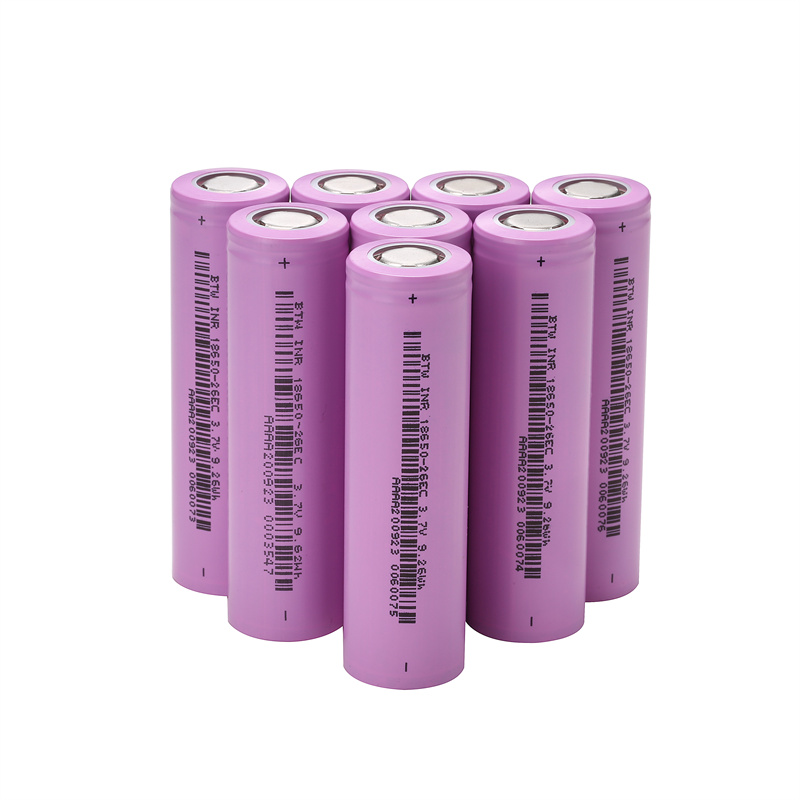
Electric bikes have become a mainstream transportation solution worldwide, driven by increasing urbanization, sustainability goals, and the growing demand for affordable personal mobility. Although battery technologies continue to evolve, 18650 lithium-ion cells remain one of the most trusted and widely used battery formats for electric bikes in 2026.
Despite the emergence of larger 21700 and 4680 battery cells, manufacturers, battery pack assemblers, and e-bike brands continue to rely heavily on 18650 cells because of their proven performance, mature supply chain, cost-effectiveness, and design flexibility.
In this article, we'll explore why 18650 cells continue to dominate the e-bike industry and how they remain a strategic choice for manufacturers and consumers alike.
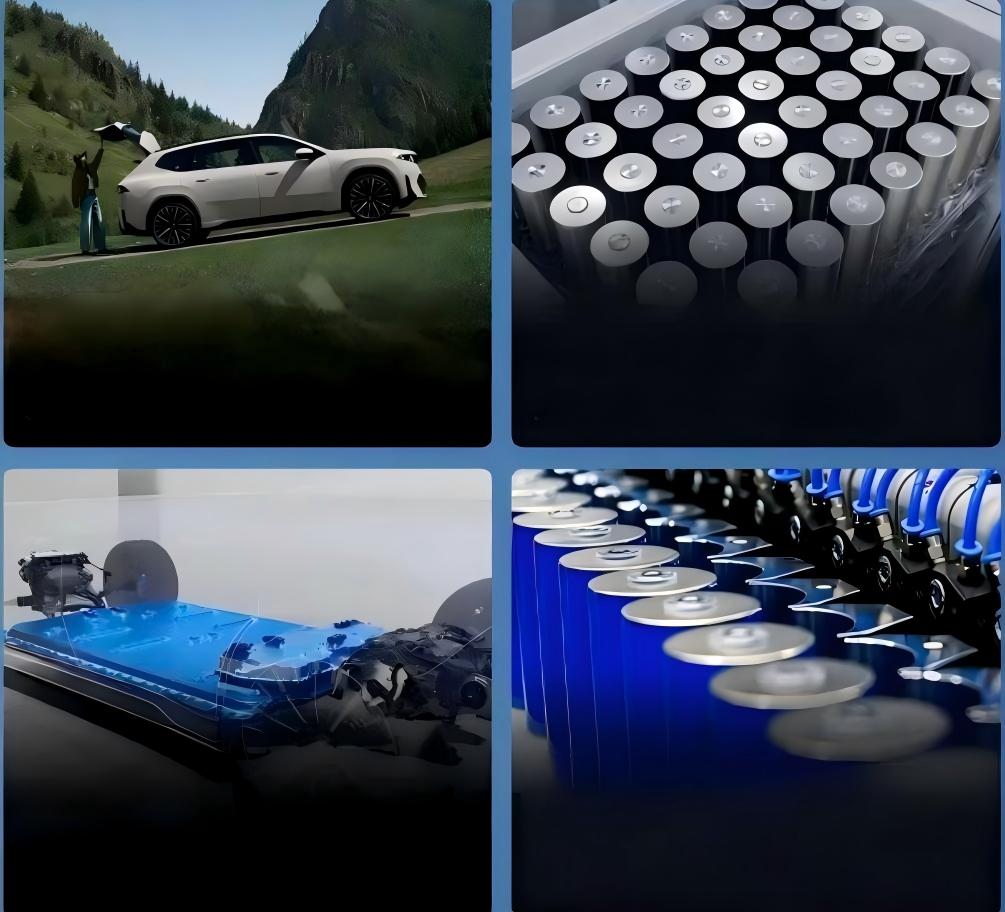
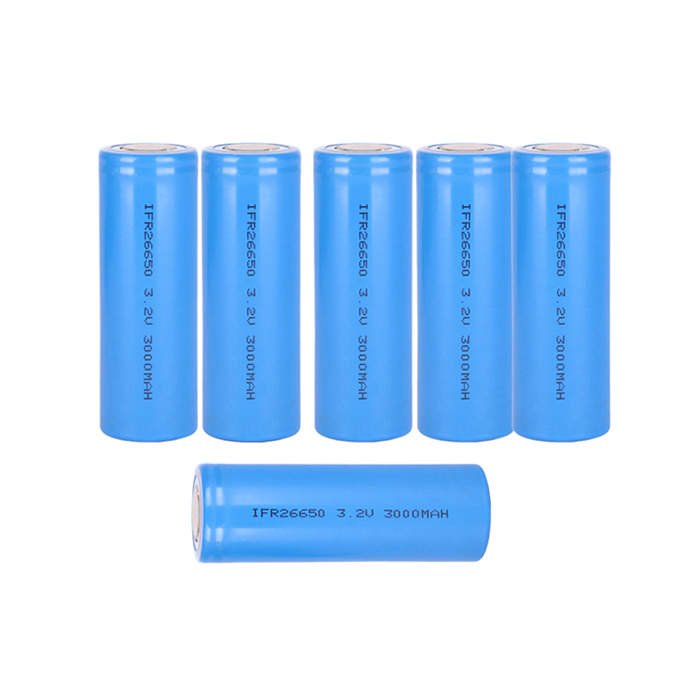
An 18650 cell is a cylindrical rechargeable lithium-ion battery measuring approximately 18 mm in diameter and 65 mm in length.
Originally developed for laptops and power tools, 18650 batteries have become a preferred energy storage solution for:
Electric bikes (E-bikes)
Electric scooters
Energy storage systems
Portable power stations
Medical devices
Robotics
Industrial equipment
1. Proven Reliability Over Many Years
One of the biggest reasons manufacturers still prefer 18650 batteries is their long history of proven performance.
For over two decades, global battery leaders have invested heavily in refining 18650 technology.
Major manufacturers include:
Panasonic
Samsung SDI
LG Energy Solution
Murata
Molicel
EVE Energy
This mature ecosystem results in:
Stable performance
Consistent quality
Lower defect rates
Extensive safety validation
Better long-term reliability
For e-bike manufacturers, reliability directly impacts customer satisfaction and warranty costs.
2. Excellent Balance Between Energy Density and Power Output
Electric bikes require batteries that deliver both:
Long riding range
Strong acceleration
18650 cells provide an excellent compromise.
Benefits include:
High energy density
More energy can be stored within a compact battery pack.
Stable power delivery
The battery can efficiently support:
Hill climbing
Heavy rider loads
Cargo transportation
Frequent acceleration
Optimized battery management
Battery Management Systems (BMS) are already highly optimized for 18650 architectures.
3. Cost-Effective Manufacturing
Cost remains one of the most important factors in the global e-bike market.
Compared to newer battery formats, 18650 production is highly mature.
Advantages include:
Lower production costs
Mass production has reduced manufacturing expenses significantly.
Established supply chains
Manufacturers can source cells from multiple suppliers worldwide.
Easier inventory management
Battery assemblers can secure large quantities without major supply disruptions.
Competitive pricing
Consumers ultimately benefit from affordable e-bike prices.
This is especially important in price-sensitive markets such as:
Europe
Southeast Asia
Latin America
India
Africa
4. Flexible Battery Pack Design
18650 cells offer exceptional design flexibility.
Manufacturers can customize battery packs based on:
Battery capacity requirements
Examples:
36V 10Ah
36V 15Ah
48V 13Ah
48V 20Ah
52V 17.5Ah
E-bike styles
Suitable for:
City bikes
Mountain bikes
Folding bikes
Cargo bikes
Fat tire bikes
Commuter bikes
Battery placement
Design options include:
Downtube batteries
Rear rack batteries
Seat tube batteries
Integrated frame batteries
This flexibility allows brands to develop customized products without redesigning their entire battery architecture.
5. Strong Global Supply Chain Stability
Global battery supply chains have experienced disruptions in recent years.
However, 18650 cells remain among the most available battery products worldwide.
Benefits include:
Multiple suppliers
Global manufacturing capacity
Shorter lead times
Stable procurement channels
Reduced supply risks
For OEM and ODM e-bike manufacturers, supply stability is critical for production planning.
6. Mature Safety Standards
Battery safety is one of the most important concerns for electric bike manufacturers.
18650 cells have undergone years of testing and certification.
Common safety certifications include:
UL 2271
UL 2580
UN38.3
IEC 62133
CE
RoHS
Modern 18650 batteries incorporate multiple safety mechanisms.
Built-in protections include:
Overcharge protection
Over-discharge protection
Short-circuit protection
Thermal protection
Pressure relief vents
Battery Management Systems (BMS)
These safety features help reduce the risk of battery failures.
7. Easier Maintenance and Replacement
Compared to custom battery solutions, 18650 packs are easier to service.
Advantages include:
Modular repairability
Individual cells can be diagnosed and replaced by qualified technicians.
Lower maintenance costs
Repairing battery packs is often more economical.
Extended battery lifespan
Users may refurbish packs instead of replacing entire systems.
This reduces overall ownership costs.
8. Strong Compatibility with Existing E-Bike Platforms
Many e-bike manufacturers have already standardized their systems around 18650 batteries.
Compatible components include:
Controllers
Motors
Chargers
BMS systems
Frames
Battery housings
Switching to alternative battery formats may require expensive redesigns.
Therefore, many manufacturers continue to optimize existing 18650 platforms instead.
18650 battery packs are particularly suitable for:
Urban Commuter E-Bikes
Benefits:
Lightweight
Reliable daily operation
Affordable pricing
Mountain E-Bikes
Advantages:
High discharge capability
Stable performance under load
Folding E-Bikes
Compact battery design saves space.
Cargo E-Bikes
Supports heavier loads with scalable battery configurations.
Shared Mobility Fleets
Fleet operators value:
Lower replacement costs
Proven reliability
Easy maintenance
If you are sourcing batteries for electric bikes, consider the following factors:
Cell Brand
Choose reputable manufacturers:
Samsung
Panasonic
LG
Murata
Molicel
EVE
Capacity
Select according to riding range requirements.
Cycle Life
Look for cells offering:
800+
1000+
1500+ cycles
Safety Certifications
Verify:
UN38.3
IEC62133
CE
UL certifications
Battery Management System (BMS)
Ensure advanced protection functions are included.
Manufacturer Experience
Work with experienced battery pack suppliers that provide:
OEM customization
Technical support
Quality control
Warranty services
The answer is yes.
Although larger battery formats will continue expanding, industry experts expect 18650 batteries to remain highly relevant throughout the coming years.
Several factors support their continued growth:
Mature manufacturing infrastructure
Strong global supply chains
Excellent reliability
Affordable costs
Broad compatibility
Continuous technological improvements
Instead of disappearing, 18650 technology is evolving alongside newer battery innovations.
Many manufacturers will continue adopting a hybrid strategy, using both 18650 and 21700 cells depending on application requirements.
In 2026, 18650 cells remain the preferred battery choice for electric bikes because they offer the ideal combination of reliability, affordability, safety, flexibility, and supply chain stability.
For e-bike manufacturers, distributors, and battery pack assemblers, 18650 batteries continue to deliver exceptional value while supporting scalable production and long-term market growth.
As electric mobility adoption accelerates worldwide, 18650 technology will continue to play a crucial role in powering millions of electric bikes across urban commuting, recreational riding, and commercial transportation applications.