Battery Knowledge
Home > News > Battery Knowledge > Marine Battery: A Complete Guide to Types, Applications, and Buying Considerations
Marine batteries are specialized energy storage systems designed to operate in harsh marine environments where vibration, humidity, salt corrosion, and continuous power demand are common. They are widely used in boats, yachts, fishing vessels, and offshore equipment to ensure stable and reliable electricity supply.
For B2B buyers and marine equipment integrators, selecting the right marine battery directly affects vessel performance, safety, and long-term operating cost.
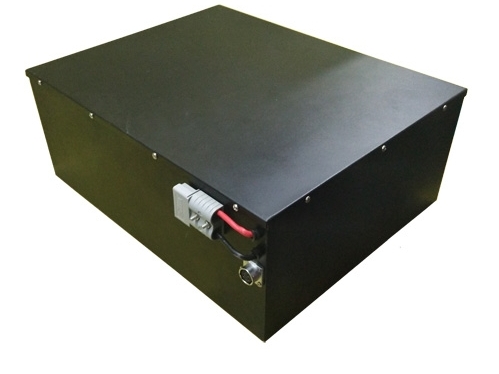
A marine battery is a purpose-built battery system designed to power marine electrical loads such as engine starting systems and onboard electronics.
Unlike standard automotive batteries, marine batteries are engineered for:
Continuous vibration resistance during navigation
Deep discharge capability for long power supply cycles
Corrosion resistance against saltwater environments
Stable output for sensitive marine electronics
They are typically divided into starting batteries, deep cycle batteries, dual-purpose batteries, and lithium-based systems.
Starting Marine Batteries
Starting marine batteries are designed to deliver a short burst of high power to crank marine engines. They provide strong starting current but are not suitable for long-term energy discharge.
These batteries are commonly used in small boats or vessels where engine ignition is the primary requirement and electrical load is relatively low.
Deep Cycle Marine Batteries
Deep cycle marine batteries are designed to provide continuous and stable power over extended periods. They can be discharged deeply and recharged repeatedly without significant performance degradation.
They are commonly used for trolling motors, onboard lighting, navigation systems, and auxiliary power applications.
Marine Battery: A Complete Guide to Types, Applications, and Buying Considerations
Dual-purpose batteries combine features of both starting and deep cycle batteries. They are designed to provide sufficient cranking power while also supporting moderate deep discharge cycles.
These are often used in small and medium-sized recreational boats where space and cost efficiency are important considerations.
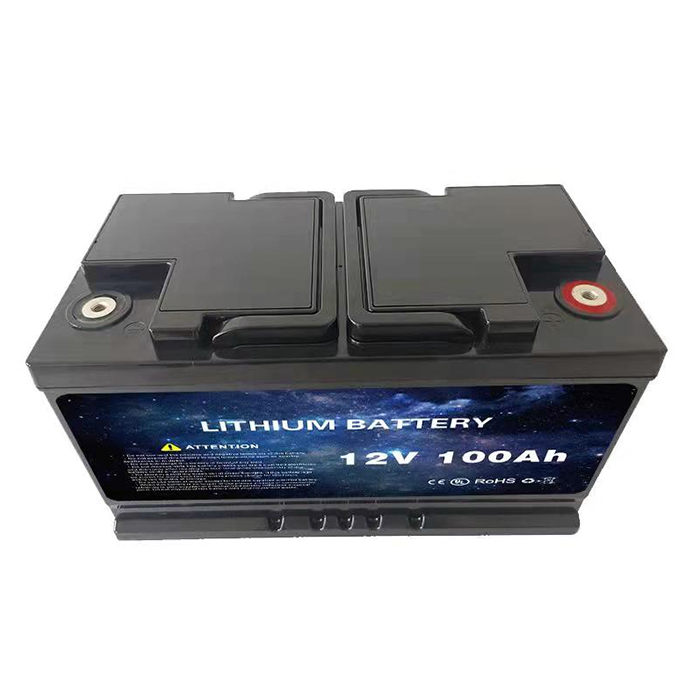
Lithium Marine Batteries (LiFePO4)
Lithium marine batteries represent the most advanced technology in marine energy storage. They are based on lithium iron phosphate chemistry and offer significantly higher efficiency and longer lifespan compared to traditional lead-acid batteries.
They are widely used in modern yachts, commercial fleets, and high-performance marine systems where weight reduction and energy efficiency are critical.
Marine batteries operate through electrochemical reactions that convert stored chemical energy into electrical energy.
During discharge, lithium or lead-based materials release ions that generate an electric current to power onboard systems. During charging, external power reverses this process, restoring the battery’s stored energy.
In lithium marine batteries, a built-in battery management system plays a critical role by balancing cells, preventing overcharging, controlling temperature, and ensuring operational safety.
When evaluating marine batteries for procurement or system integration, several performance factors must be considered.
Capacity determines how long the battery can supply energy, usually measured in ampere-hours. Higher capacity is required for vessels with multiple onboard systems.
Cycle life reflects how many charge and discharge cycles a battery can withstand before significant degradation occurs. Lithium batteries typically offer much higher cycle life than lead-acid alternatives.
Depth of discharge indicates how much of the battery’s capacity can be safely used. Lithium systems generally allow deeper discharge compared to traditional batteries, increasing usable energy.
Vibration resistance is essential in marine environments due to constant movement and engine operation. Poor vibration tolerance can lead to internal damage and reduced lifespan.
Waterproof and corrosion resistance levels are also critical, especially in saltwater conditions where exposure is unavoidable.
Marine batteries are used across a wide range of applications.
In recreational boating, they power lighting systems, entertainment devices, and navigation instruments.
In fishing vessels, they are essential for trolling motors, sonar systems, and fish-finding equipment that require stable and continuous energy.
In commercial marine operations, batteries support communication systems, backup power, and operational electronics that must remain reliable under all conditions.
In yachts and luxury vessels, marine batteries power high-load systems such as air conditioning, refrigeration, and onboard appliances.
They are also widely used in offshore monitoring systems, buoys, and remote marine installations where stable long-term energy supply is required.
Traditional lead-acid marine batteries have been widely used due to their low initial cost and simple structure. However, they are heavier, have limited cycle life, and require regular maintenance.
Lithium marine batteries, particularly LiFePO4 systems, offer significant advantages. They are much lighter, provide higher usable capacity, charge faster, and have a significantly longer lifespan.
Although lithium batteries have a higher upfront cost, their long-term operational efficiency and reduced replacement frequency make them more cost-effective in many marine applications.
Lithium marine batteries provide stable voltage output throughout the discharge cycle, which improves the performance of sensitive marine electronics.
Their lightweight design reduces overall vessel weight, improving fuel efficiency and handling.
They also support faster charging, reducing downtime between operations.
In addition, lithium batteries are generally maintenance-free and do not require regular water refilling or equalization charging.
Marine battery systems must be designed with safety as a priority.
Proper waterproof sealing is required to prevent saltwater intrusion and corrosion damage.
Overcharge, over-discharge, and short-circuit protection systems are essential, particularly for lithium-based batteries.
Thermal management is also important to prevent overheating during high-load operation.
Correct installation and system integration with compatible battery management systems significantly improve overall operational safety.
The marine battery industry is moving toward higher efficiency and smarter energy management systems.
Lithium-ion technology is expected to continue replacing traditional lead-acid batteries across most marine applications.
Smart monitoring systems integrated with IoT technology are becoming more common, allowing real-time tracking of battery health and performance.
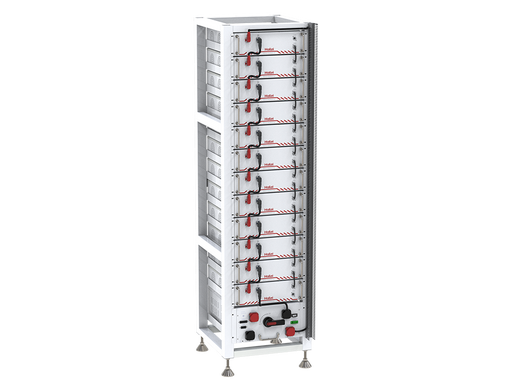
Modular battery designs are also gaining popularity, enabling flexible energy scaling based on vessel requirements.
In the long term, marine electrification and hybrid propulsion systems will continue to drive demand for high-performance marine batteries.
Marine batteries play a critical role in ensuring stable, safe, and efficient energy supply for modern marine operations. From engine starting systems to advanced onboard electronics, they are essential components in both recreational and commercial vessels.
As the industry continues to evolve, lithium marine batteries are becoming the preferred solution due to their superior performance, longer lifespan, and improved energy efficiency. For buyers and system integrators, choosing the right battery type and reliable supplier is key to achieving long-term operational success.