Battery Knowledge
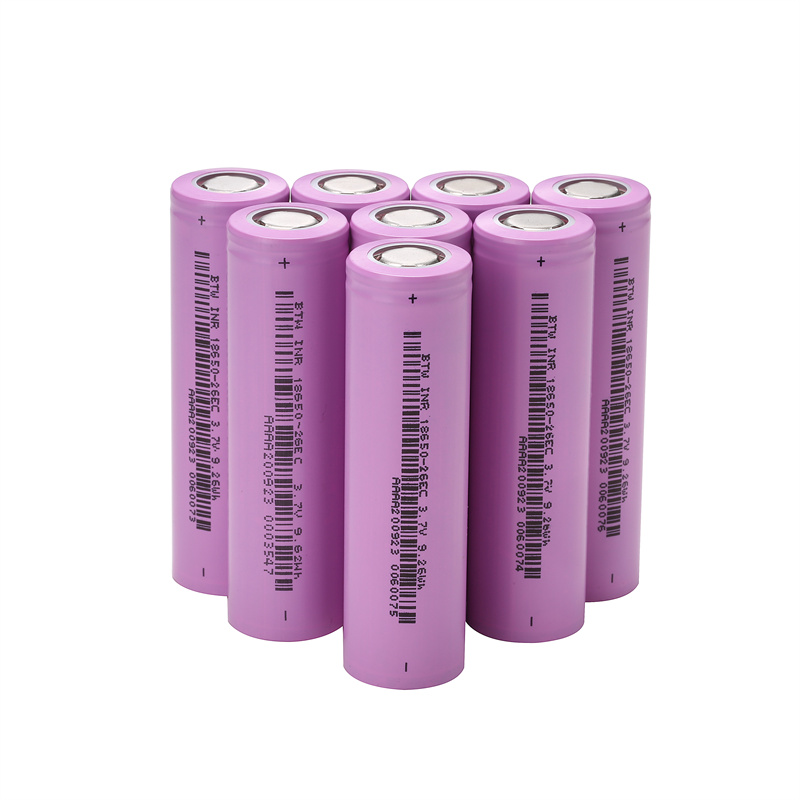
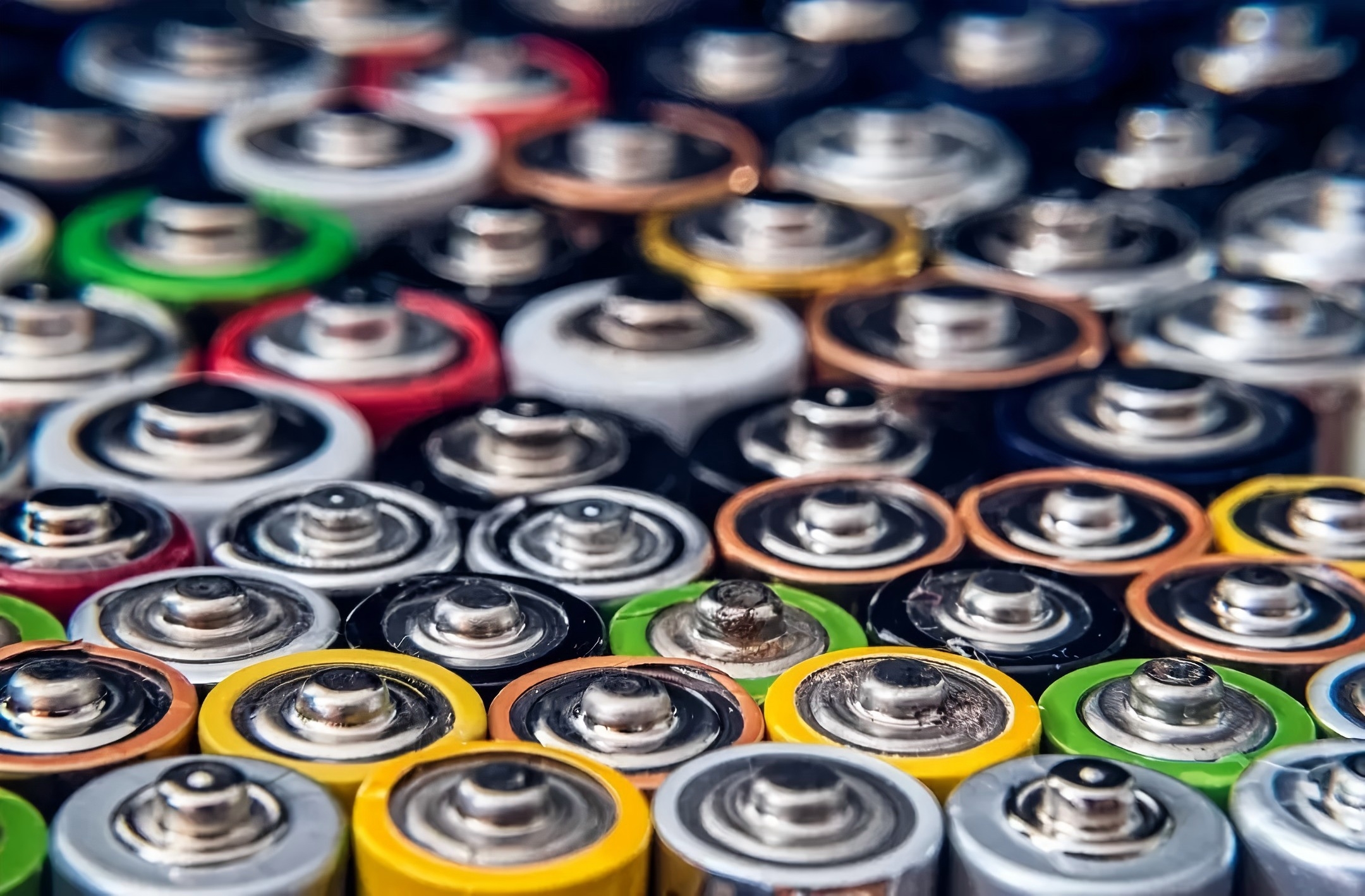
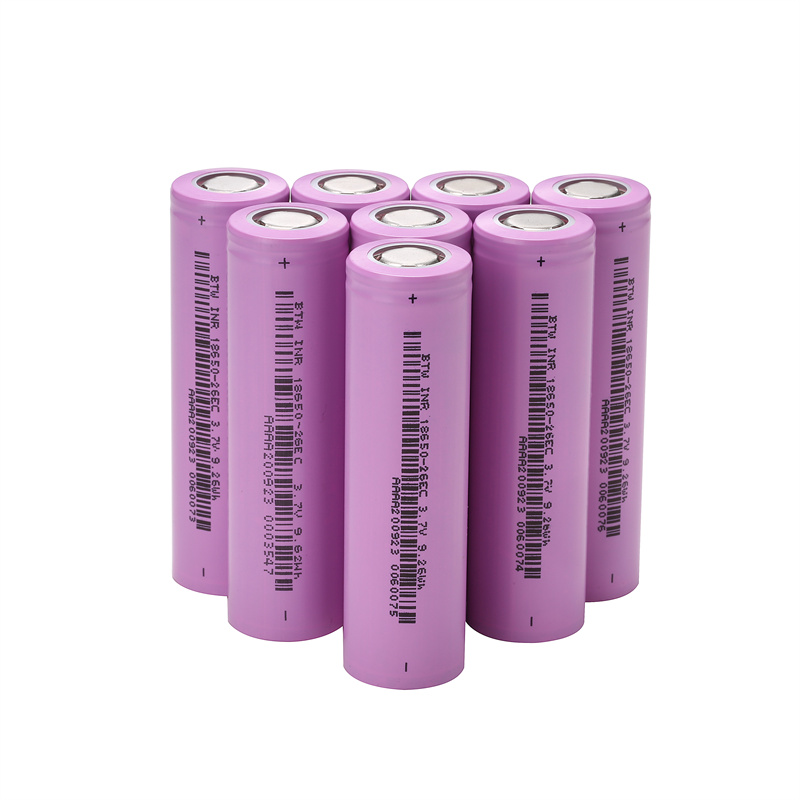
18650 cells are one of the most widely used lithium-ion battery formats in modern energy storage and portable power systems. They are commonly found in electric vehicles, power tools, laptop battery packs, flashlights, energy storage systems, and many OEM battery solutions.
For B2B buyers and engineers, understanding how 18650 cells work is essential for selecting the right chemistry, performance level, and supplier for stable long-term applications.
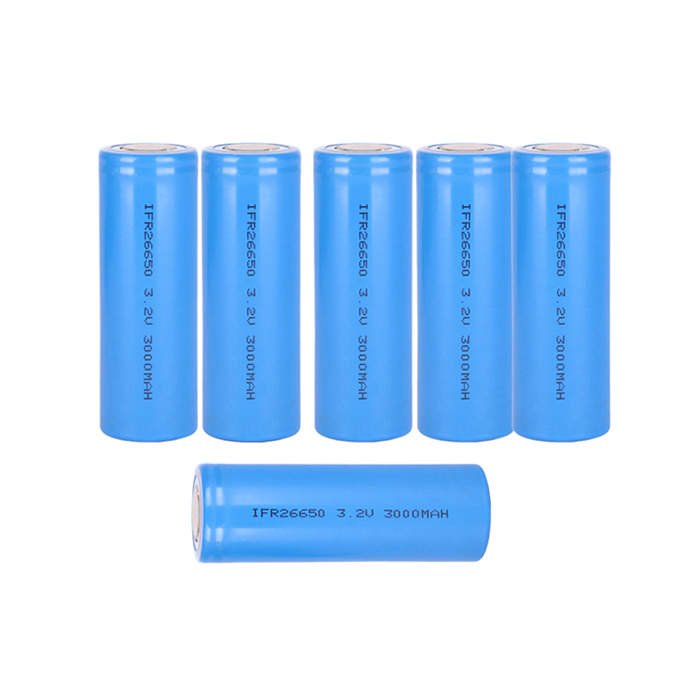
The term 18650 refers to the physical size of the battery:
18 = 18 mm diameter
65 = 65 mm length
0 = cylindrical shape
So, an 18650 cell is a cylindrical lithium-ion rechargeable battery with a standardized size.
Despite the same dimensions, performance can vary significantly depending on:
Chemistry (NMC, LCO, LFP variants in some cases)
Capacity (mAh)
Discharge rate (C-rate)
Internal resistance
Manufacturing quality
This makes supplier selection a critical decision in procurement.
An 18650 cell is composed of several key components:
1. Cathode (Positive Electrode)
Typically made from lithium metal oxide materials such as:
Lithium Cobalt Oxide (LCO)
Lithium Nickel Manganese Cobalt (NMC)
This part determines energy density and stability.
2. Anode (Negative Electrode)
Usually made of graphite, which stores lithium ions during charging.
3. Electrolyte
A lithium salt solution that allows ion movement between electrodes.
4. Separator
A thin membrane that prevents direct contact between anode and cathode, avoiding short circuits.
5. Metal Casing
Steel shell that provides mechanical protection and pressure resistance.
6. Safety Vent & PTC Device
Protects against overheating and internal pressure buildup.
The working principle is based on lithium-ion movement between electrodes.
During Charging:
External power supplies energy to the cell.
Lithium ions move from the cathode to the anode through the electrolyte.
Electrons flow through the external circuit and are stored in the anode.
The cell stores electrical energy in chemical form.
During Discharging:
The battery powers a device.
Lithium ions move back from anode to cathode.
Electrons flow through the external circuit, generating electricity.
The stored chemical energy is converted into usable power.
This reversible ion movement is what makes 18650 cells rechargeable.
When sourcing 18650 cells, buyers typically evaluate:
1. Capacity (mAh)
Indicates how long the battery can supply power.
Common range: 1800mAh – 3500mAh
2. Voltage
Nominal voltage: ~3.6V or 3.7V per cell
3. Discharge Rate (C-rate)
Defines how fast energy can be released.
High-drain cells are used in power tools and EVs
4. Cycle Life
Number of charge/discharge cycles before degradation.
Typically 300–1000+ cycles depending on quality
5. Internal Resistance
Lower resistance = better efficiency and less heat generation.
1. Power Tools
Drills, saws, and industrial equipment requiring high discharge performance.
2. Electric Vehicles (EVs)
E-bikes, scooters, and lightweight EV battery packs.
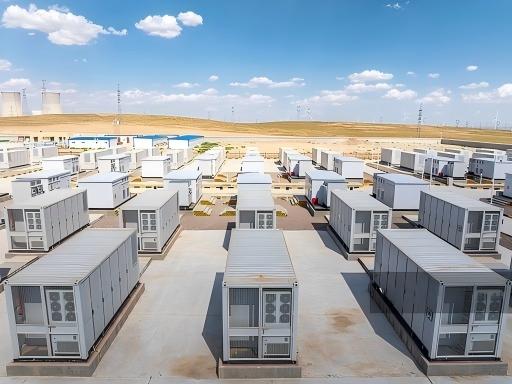
3. Energy Storage Systems
Solar storage and backup power systems.
4. Consumer Electronics
Laptops, flashlights, portable devices.
5. OEM Battery Packs
Custom battery assemblies for industrial clients.
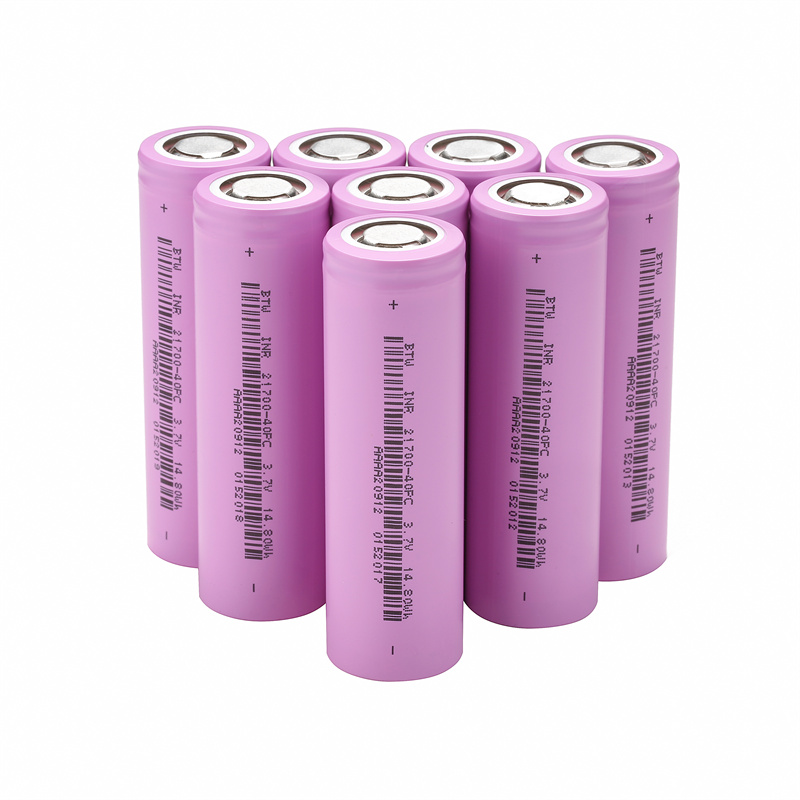
Even with newer formats like 21700 cells, 18650 remains popular because:
Mature and stable manufacturing ecosystem
Lower cost per unit
Flexible pack design options
Wide availability globally
Proven safety and reliability record
For many OEM projects, 18650 remains the most cost-effective solution.
High-quality 18650 cells include multiple protection layers:
Overcharge protection
Over-discharge protection
Short circuit protection
Thermal protection
Pressure relief vent
However, safety also depends heavily on:
Battery management system (BMS)
Pack design
Supplier quality control
For procurement teams, supplier evaluation is crucial. Key factors include:
Consistent batch quality
Verified cycle life test reports
Certifications (UL, CE, IEC)
Stable internal resistance control
Transparent grading system
OEM/ODM capability
Shipment compliance for lithium batteries
A reliable supplier reduces long-term failure rates and warranty risks.
Although newer formats are growing, 18650 cells continue to evolve:
Higher energy density improvements
Better thermal stability materials
Faster charging capabilities
Increased safety standards
Smarter integration with BMS systems
They are expected to remain relevant in industrial and cost-sensitive applications for many years.
18650 cells are standardized lithium-ion batteries that store and release energy through controlled lithium ion movement between electrodes. Their balance of cost, performance, and reliability makes them a core component in power tools, EVs, and energy storage systems.
For buyers, understanding their structure, working principle, and key performance indicators is essential for selecting the right product and avoiding quality risks in large-scale applications.