Battery Knowledge
1. Principle
It is exactly the same as that of lithium batteries:
Sodium ions (Na⁺) are inserted and removed between the positive and negative electrodes. When charging, the sodium ions move to the negative electrode to store electricity, and when discharging, they return to the positive electrode to release electricity.
Lithium uses lithium ions, while sodium uses sodium ions. The raw materials for lithium come from lithium ore, while those for sodium come from salt or soda ash.
2. Core structural differences
The negative electrode does not use graphite but hard carbon: Sodium ions are large in size and cannot fit into graphite;
Both the positive and negative electrodes are made of aluminum foil: The negative electrode in lithium batteries is copper foil, and the sodium battery eliminates the copper foil, which is a major advantage in terms of cost savings;
3. No lithium, cobalt, or nickel, and the raw material sodium has an extremely large reserve and a low price.
3. Three major advantages
Low cost potential: There is an abundant reserve of raw materials, and after mass production becomes mature, it is cheaper than lithium iron phosphate;
Superior performance at low temperatures: It can still release most of the electricity at -20℃ to -40℃, making it suitable for use in northern and cold regions;
High safety: It is less likely to form dendrites and is less prone to fire or explosion.
4. Disadvantages
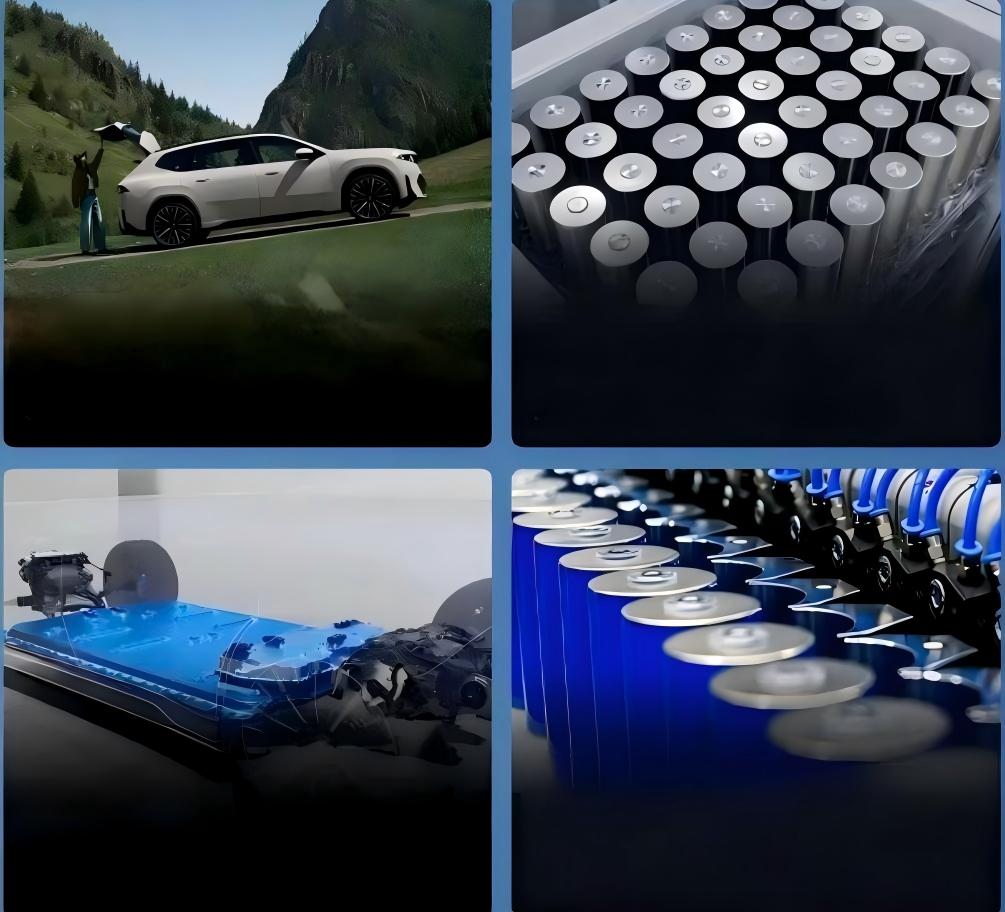
The energy density is lower than that of lithium batteries, and it stores less electricity per weight, making it unsuitable for high-end long-range new energy vehicles.
5. Main applications
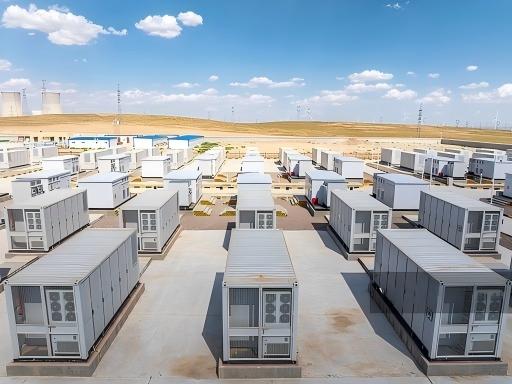
Large-scale photovoltaic/fossil fuel power storage stations
Electric tricycles, two-wheel electric vehicles (replacing heavy lead-acid batteries)
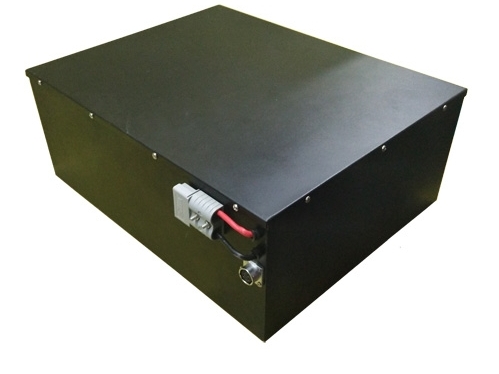
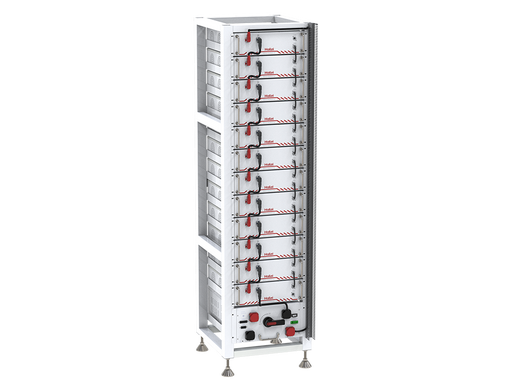
Base station UPS, industrial backup power supply
Short-distance A00 micro-transport vehicles