Battery Knowledge
Home > News > Battery Knowledge > South Korea Enforces KC Certification K 62133 Battery Safety Standard for E-Bikes

As the global electric mobility trend continues to surge, electric bicycles have increasingly become a vital part of urban commuting and leisure lifestyles in South Korea due to their convenience and environmental benefits. However, alongside rapid market expansion, safety incidents involving lithium batteries have occurred from time to time, drawing heightened attention from both consumers and regulators toward product safety. In response, the Korea Testing & Research Institute (KTR) has officially enforced the KC Certification K 62133 safety standard for secondary batteries used in electric bicycles. This move aims to establish a robust safety framework at the source and promote healthy, orderly industry development. It marks a new, more stringent phase in South Korea’s regulatory oversight of core e-bike components.
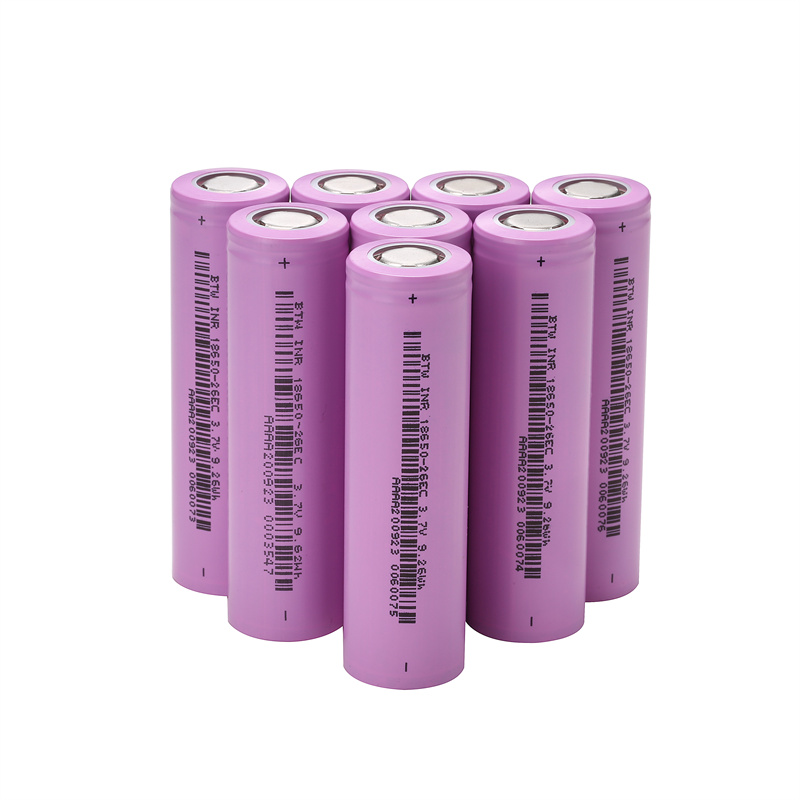
The K 62133 standard did not emerge in isolation; it is an adapted and enhanced version of the international IEC 62133 standard, tailored to reflect South Korea’s local market conditions, usage patterns, and safety requirements. The standard comprehensively covers safety requirements for lithium-ion batteries and battery packs used in electric bicycles, featuring extremely rigorous testing procedures—including but not limited to electrical safety tests (such as overcharging, over-discharging, and short-circuit protection), mechanical safety tests (like vibration, impact, and compression), environmental safety tests (including thermal abuse and temperature cycling), and critical assessments of system protection functions. It mandates that battery management systems (BMS) must precisely monitor and intervene on voltage, current, and temperature to prevent thermal runaway—a potentially fatal risk. As a result, any domestic or foreign company wishing to sell e-bike battery products in South Korea must ensure their products pass this series of strict tests and obtain the KC certification mark; otherwise, they will be barred from legal market distribution.
The enforcement of this standard carries profound and multifaceted impacts across the supply chain. For battery manufacturers, it represents a significant challenge in terms of cost and technology. Companies must invest heavily in upgrading battery design and BMS systems, retooling production lines to improve manufacturing consistency, and establishing comprehensive testing and validation frameworks. Smaller manufacturers with limited technical capabilities and relying on low-cost competition may face elimination. For e-bike brand manufacturers, supply chain management becomes significantly more complex, requiring them to source all core battery components exclusively from certified, compliant suppliers. This drives consolidation within the supply chain toward top-tier, high-quality providers. Meanwhile, the time and financial costs associated with certification may partially be passed on to end consumers, affecting product pricing and market competitiveness.
Nevertheless, viewed from a long-term perspective, this mandatory safety upgrade brings far greater benefits than drawbacks. First and foremost, consumers stand to gain directly. Batteries that meet the K 62133 standard will see exponential improvements in safety and reliability, significantly reducing the likelihood of fires, explosions, and other severe accidents caused by battery failure—providing strong institutional safeguards for public riding safety. Second, the enforcement of the standard acts as a "good money drives out bad money" mechanism, purifying the industry ecosystem. By setting clear, uniform technical thresholds, it curbs disorganized, low-quality competition and shifts corporate focus from price wars to innovation in safety, performance, and technology. This fosters the growth of high-quality enterprises with core technological strengths, elevating the overall standards and international reputation of South Korea’s e-bike and energy storage industries. Finally, the move aligns with the global trend of strengthening safety regulations for lithium battery products, laying a solid foundation for Korean exports to meet similar requirements in international markets such as the European Union and North America.
In light of these new regulations, relevant companies must proactively adapt, turning challenges into opportunities. The primary task is to thoroughly study the specific clauses and testing methods of the K 62133 standard, seeking guidance from professional testing and certification bodies when necessary. Companies should promptly conduct compliance assessments of existing products, implement targeted improvements, and plan certification processes for new products. At the same time, enterprises must regard safety as a core product value, increasing R&D investment in cutting-edge safety technologies such as solid-state batteries, intelligent BMS systems, and new thermal management materials to build long-term competitive advantages. Industry associations and government agencies should also strengthen communication, training, and provide essential transitional guidance, ensuring fairness, efficiency, and transparency in the testing and certification market.
South Korea's mandatory implementation of the KC certification for electric bicycle batteries under the K 62133 standard is an essential requirement concerning both safety and industry development. While it brings short-term challenges, it eliminates the greatest safety risks and paves the way for sustainable growth. This mandatory safety threshold not only protects every rider’s well-being but also accelerates the entire industry toward higher quality, greater innovation, and stronger responsibility. In the global green mobility revolution, safety remains an unshakable foundation. South Korea’s initiative offers a valuable regulatory model for the standardized development of the global e-bike market. Going forward, only those companies that truly embed safety into their DNA will be able to steadily advance and earn lasting market trust in this competition rooted in safety.