Battery Knowledge
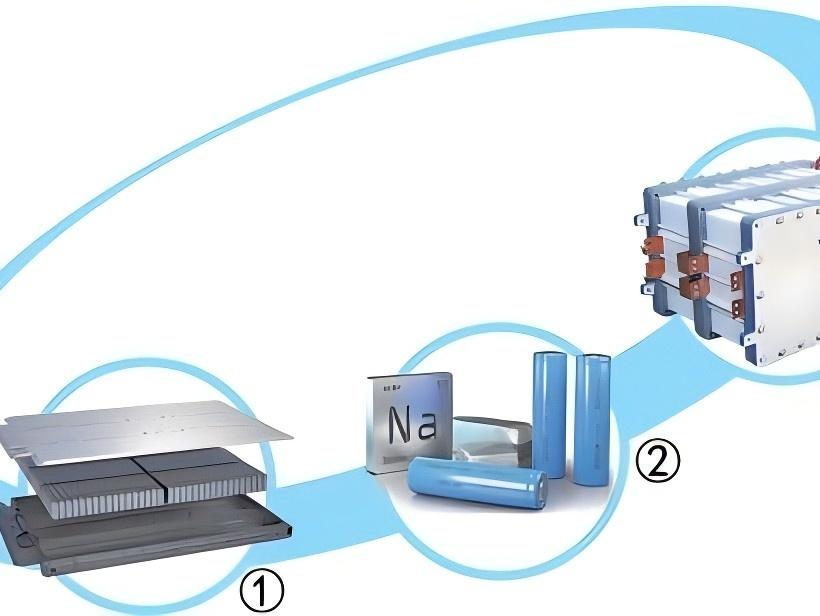
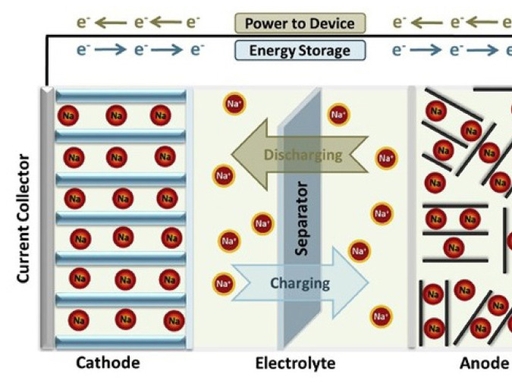
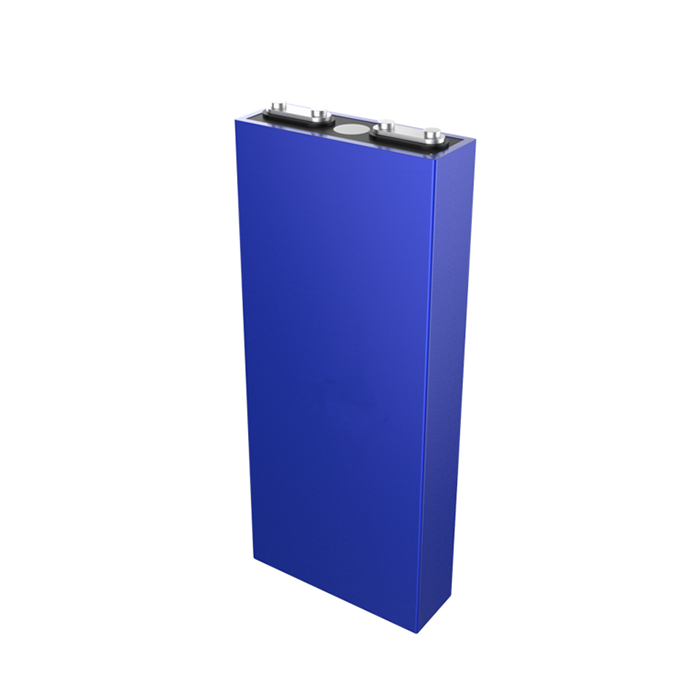
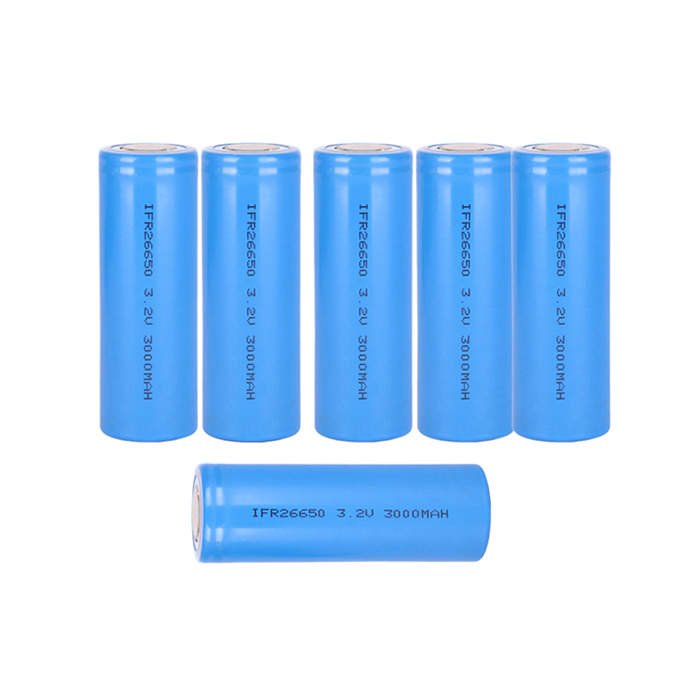
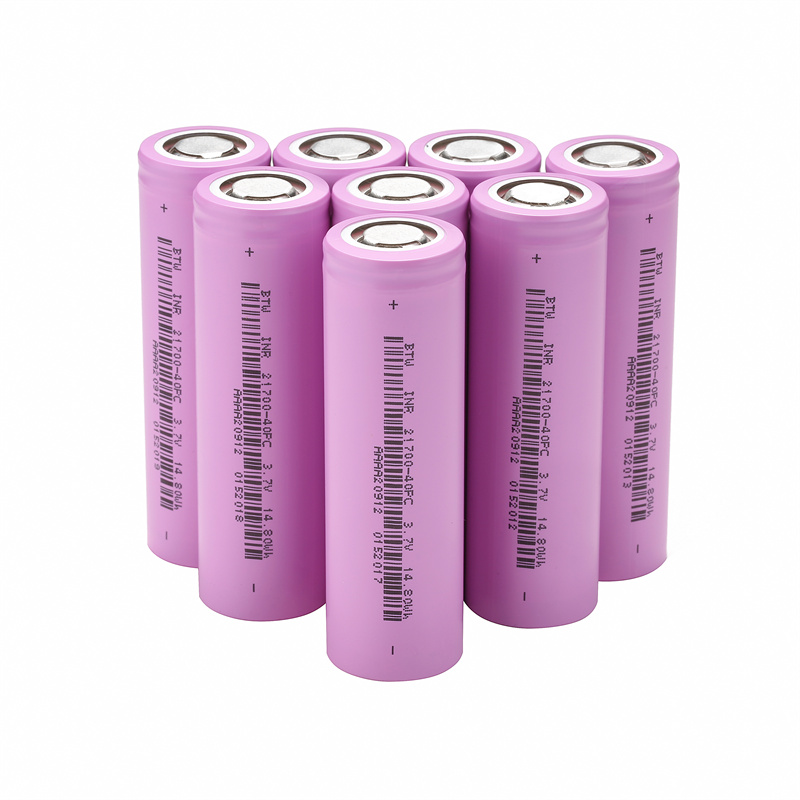
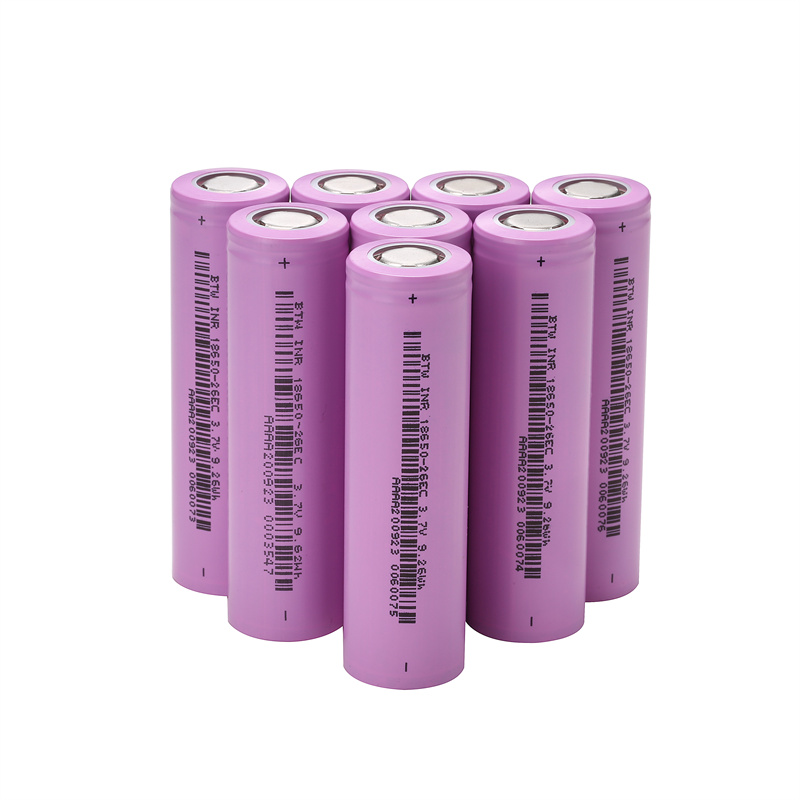
Choosing the right battery has recently become a tough decision for many. After years of relying on lithium batteries, sodium batteries have emerged as a promising alternative—claimed to be cheaper, more cold-resistant, and safer. Yet concerns remain about their lower energy density and shorter cycle life. So how should you decide? First, understand the key differences, then match them with your specific use case.
Cost Analysis: How Much Cheaper Are Sodium Batteries?
Let’s start with cost. The core raw material for lithium batteries is lithium carbonate, whose price fluctuates significantly—peaking at 500,000 yuan per ton in 2025 and currently stabilizing around 160,000 yuan per ton. In contrast, sodium salts used in sodium batteries are hundreds of times more abundant than lithium, widely available, and more cost-stable. As a result, by Q1 2026, the cell-level cost of sodium batteries had dropped to 0.35–0.40 yuan per Wh, narrowing the gap with lithium iron phosphate (LFP) batteries to just 0.10–0.15 yuan per Wh. By year-end, this gap could shrink further. Looking ahead, once sodium batteries achieve mass production, their cost advantage will become even more pronounced. Institutions like Bernstein predict that by 2027, sodium battery costs will fall below those of LFP batteries across the board.
Cost reduction isn’t limited to raw materials alone. Sodium batteries can use aluminum foil instead of copper foil for both anode and cathode, saving approximately 15% in material costs. Combined with the low cost of sodium salts, electrolyte expenses drop dramatically. For large-scale energy storage projects, these advantages multiply—beyond material savings, the entire supply chain gains greater pricing leverage.
Performance Comparison: Each Has Its Strengths, Depending on Use Case
When it comes to energy density, lithium batteries clearly lead. NMC lithium batteries reach 200–350 Wh/kg, while LFP batteries offer 150–200 Wh/kg. Sodium batteries, in current mass production, deliver around 140–175 Wh/kg. This means that, for the same weight, sodium batteries provide 20–30% less range than lithium batteries—making them unsuitable for high-end vehicles demanding long driving ranges. However, sodium batteries excel in low-temperature performance. At -20°C, they retain over 90% of their capacity, compared to under 70% for LFP batteries. At -40°C, sodium batteries still operate stably, while lithium batteries essentially fail. For users in colder regions or outdoor equipment, this difference determines whether devices function properly during winter.
In terms of safety, sodium batteries have a higher thermal runaway threshold—50–100°C higher than lithium batteries—and perform more reliably in needle-puncture, compression, and overcharge tests, making fires and explosions less likely. Regarding cycle life, the gap between the two is closing. Leading sodium batteries now exceed 10,000 cycles, while mainstream models stabilize at 3,000–5,000 cycles—on par with LFP batteries.
How to Choose: Match the Battery to the Application
Choose lithium batteries for: high-end new-energy passenger vehicles, applications requiring over 500 km range, consumer electronics such as smartphones and laptops, and devices where weight and volume are critical. In these scenarios, energy density remains the top priority, and lithium batteries’ performance advantages are irreplaceable.
Choose sodium batteries for: energy storage stations (especially in cold regions), low-speed electric vehicles, two- and three-wheeled vehicles, winter operations in northern climates, and backup power for communication base stations. Sodium batteries shine in cost-sensitive applications with modest range requirements and challenging low-temperature environments. Major players like CATL and BYD have already begun deploying sodium batteries at scale in battery-swapping systems and energy storage projects. 2026 is widely seen as the commercialization milestone for sodium batteries.
Not Replacement, But Complementary Roles
Sodium and lithium batteries aren't competing to replace each other. Lithium batteries remain the preferred choice for high-energy-density applications, while sodium batteries address lithium’s shortcomings in cost, cold tolerance, and resource independence. The industry consensus is clear: lithium batteries focus on premium markets, while sodium batteries target energy storage and entry-level segments. Both thrive in their respective niches, jointly supporting the growth of the new-energy sector. The key to choosing lies in identifying your core needs: prioritize range? Go with lithium. Need cost efficiency and cold-weather reliability? Consider sodium. If it's difficult to balance both, the 2026 market already offers a wider range of options, and sodium-ion products from leading companies have undergone large-scale validation, allowing for more detailed comparisons based on specific model parameters.
Previous: None
How to Choose Between Sodium and Lithium Batteries?
Aug. 05, 2026
How to Choose Between Sodium and Lithium Batteries?
Aug. 05, 2026
How to Properly Maintain a Marine Battery
Jul. 27, 2026