Industry News
Home > News > Industry News > August Lithium Battery Production Surges to 300GWh: Energy Storage Overtakes Power, Triggering a Price Hike Wave
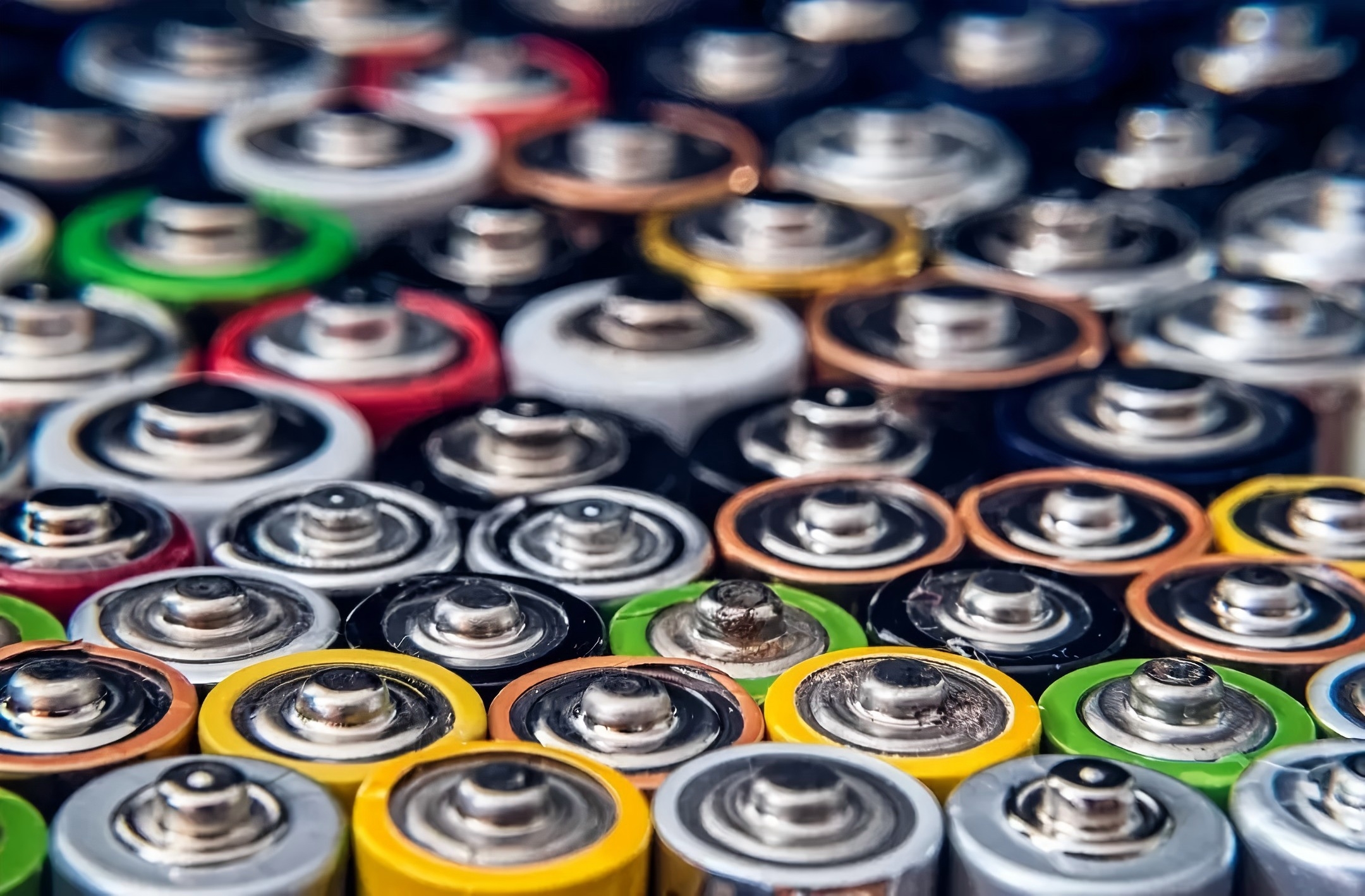
In August 2026, domestic lithium battery production capacity reached 300GWh for the first time. According to research by Baichuan Yingfu on 27 battery manufacturers, total market production capacity hit 311.85GWh, up 5.71% month-on-month. Energy storage cell output is expected to exceed 120GWh—accounting for about 40% of total production—and increase by approximately 10GWh compared to July, officially surpassing power batteries as the largest demand driver. Meanwhile, CATL raised its pricing for 314Ah energy storage cells to 0.423 yuan per Wh, while Eve Energy announced a 2% price increase across all cell products effective September 1. The main lithium carbonate futures contract surged over 4% in a single day. Once considered a supporting role, energy storage has now begun dictating the pace of the entire battery industry.
I. Energy Storage Overtakes Power: More Than Just a Production Fluctuation
Looking at the big picture, in the first half of 2026, China’s combined sales volume of power and energy storage batteries reached 979.4GWh, up 48.6% year-on-year. Among them, energy storage battery sales totaled 318.1GWh, growing at an impressive rate of 83.4%, significantly outpacing power batteries. Global energy storage cell shipments reached approximately 467.84GWh in the first half of 2026, nearly doubling year-on-year. Multiple institutions forecast that annual domestic energy storage lithium battery shipments could surpass 1TWh for the first time, representing a year-on-year growth of around 67%. This signals that energy storage is no longer merely a "supporting component" of new energy but has evolved into an independent growth engine.
The recent surge in energy storage production capacity stems primarily from concentrated delivery of large-scale overseas projects. Markets in the U.S. and the Middle East are entering a rush period ahead of year-end grid connection, with some companies’ delivery schedules extending into mid-October. Data from GGII shows that China’s energy storage lithium battery shipments in the first half of 2026 already reached about 490GWh—nearly 80% of the full-year 2025 shipment volume of 630GWh. In Europe, energy storage capacity had reached 55GW by early 2026, and the EU’s newly signed “Energy Storage Tripartite Agreement” aims to add another 45GW between 2026 and 2028, targeting 200GW by 2030. In the U.S., utility-scale energy storage has reached 51.8GW, with another 62GW planned over the next five years. Energy storage has transitioned from being a “policy complement” to becoming a core necessity in the power market.
II. The Price Hike Is Here—but the Transmission Path Must Be Understood
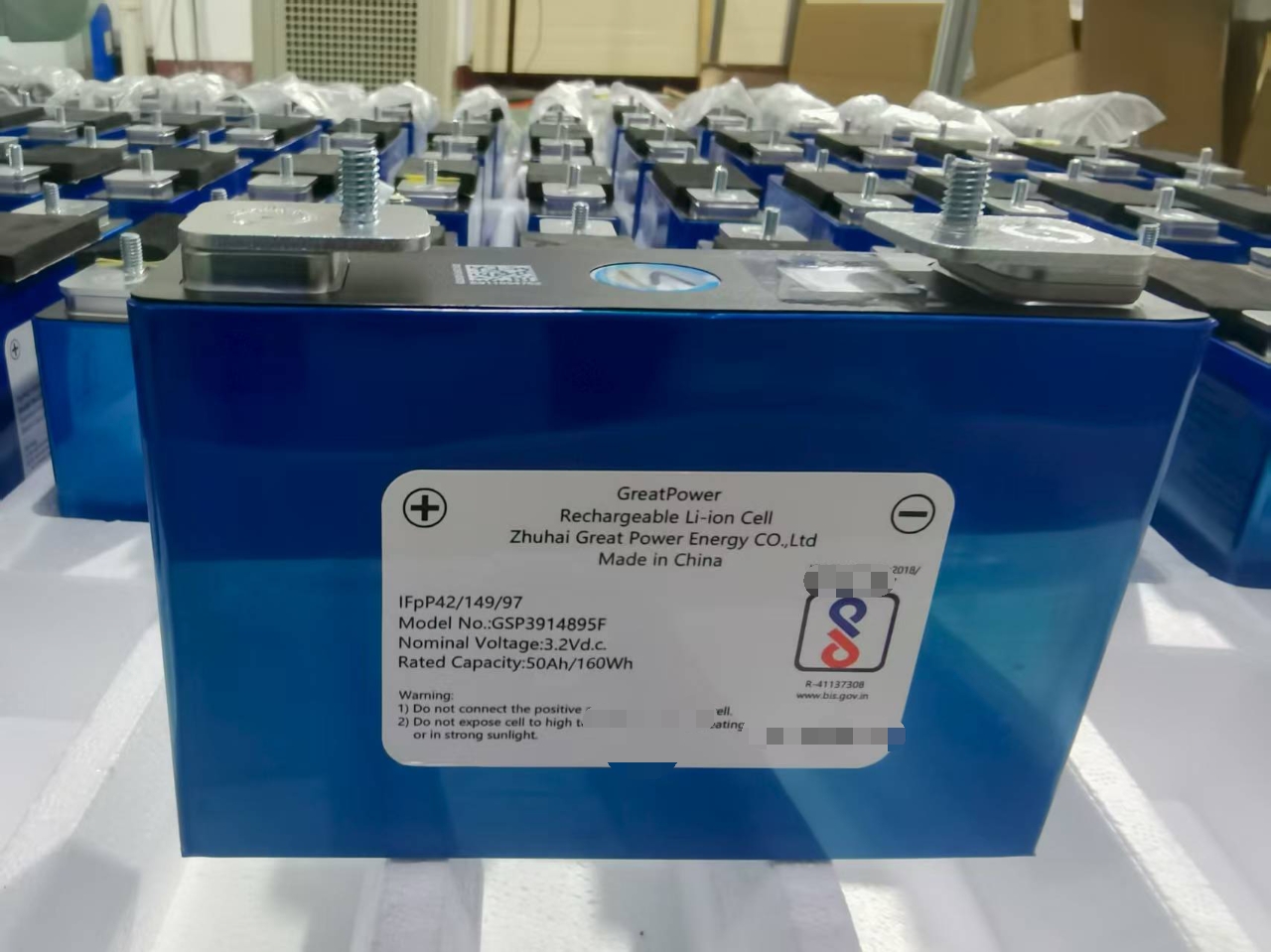
On the flip side of rising production capacity lies pricing. On August 1, CATL's official e-commerce platform led the way by raising prices for its 314Ah energy storage cells to 0.423 yuan per Wh. Eve Energy quickly followed, announcing a 2% price increase across all domestic cell products starting September 1, citing a 2% rise in consumption tax costs. On August 21, the main lithium carbonate futures contract (2701) rose more than 4%, closing at 158,700 yuan per ton. Guotou Futures noted that disruptions in CATL’s mineral resumption have temporarily supported lithium prices; Huatai Futures pointed out that raw material supply remains tight, trade inventories remain low, downstream operating rates stay high, and order volumes in August continue to show strong momentum.
This round of price increases is not just a short-term spike in one segment, but a synchronized upward shift across upstream minerals, midstream cells, and end-user systems. Looking at four-hour energy storage systems for large-scale domestic energy storage stations, average winning bid prices remained above 0.5 yuan per Wh in early 2026. Based on current average cell prices, a 2% consumption tax adds roughly 8 million yuan in additional cost per GWh of cell production. Benchmark Mineral Intelligence estimates that the global weighted lithium carbonate price in August 2026 was approximately $20,754 per ton—more than double the October 2025 level of around $9,873 per ton. For China's BESS systems, price quotes have already risen by 15%–25% this year. A 3-percentage-point reduction in export tax rebates could increase system costs by approximately $2.8–4.0/kWh.
III. Export and New Standards: The Playing Field Is Expanding, and the Rules Are Upgrading
The domestic automotive market began to slow down in July, with new energy vehicle sales declining by 2.8% year-on-year. However, exports continued to surge—new energy vehicles exported reached 553,000 units in July, a 1.5-fold increase compared to the same period last year. From January to July, cumulative battery sales reached 790.4 GWh, up 37.1% year-on-year, while cumulative exports hit 146.7 GWh, growing 52.1%. China’s battery industry chain is now leveraging “exports” to absorb growth, emerging as the leading supplier for overseas energy storage orders.
Technological upgrades are also underway. Recently, an international standard proposal titled "Guidelines, Test Items, and Conditions for Solid-State Battery Applications in Secondary Lithium-Ion Batteries for Electric Vehicle Propulsion," led by China, was officially approved by the International Electrotechnical Commission (IEC). This marks the world’s first global standard for solid-state batteries, developed with input from experts in France, South Korea, Japan, and other countries. China’s power battery industry is transitioning from “product export” to “standard export,” meaning that future overseas energy storage and large-scale battery projects will more easily adopt Chinese testing methods and boundary conditions.
Another notable event occurred on September 3–4 in Yibin, Sichuan, where the 2026 World Power Battery Conference took place under the theme “Electrifying Everything: Integration and Coexistence.” Spain served as the guest country, hosting eight specialized sessions covering industrial policies, cutting-edge technologies, new energy storage, and battery recycling. Key outcomes included the release of the "Power Battery Industry Development Index (2026)" and the "Power Battery Technology Roadmap." Against the backdrop of fivefold growth in battery installations over five years, this conference felt more like a mid-term review of global industry rules.
IV. Standing at the Threshold of Industrial Upgrading
Looking back, the past month has seen only two key themes in the lithium battery sector: energy storage and exports. On one hand, energy storage production accounted for 40% of output, while export volumes surged by over 50% year-on-year. On the other, China led the development of IEC international standards, hosted the World Power Battery Conference in Yibin, and CATL announced mandatory carbon footprint assessments for suppliers starting in 2027. This signals that China’s battery industry is no longer just about high volume—it’s now aiming to secure both “production capacity,” “standards leadership,” and “green compliance.”
For industry players, the logic of the second half of the year will be clearer than in the first: energy storage is becoming the dominant demand driver; upstream mining and midstream cell prices are rising simultaneously; and exports and standards represent two critical pillars for the next phase. For consumers, the most immediate impact will be a new cost threshold for EV batteries after September 1st. At the same time, non-automotive applications such as premium energy storage, AI data center backup power, and overseas large-scale storage are rapidly expanding. In the long run, this trend helps distribute the cost pressure from automotive batteries.
Conclusion: Energy storage overtaking propulsion, price hikes kicking off, exports and new standards advancing in parallel—these developments in August mark China’s lithium battery industry moving from the first half, characterized by “high volume but low margins,” into the second half defined by “rising volume and prices” and “global rule leadership.” The next time you hear “lithium battery production hits a new high,” remember to ask: Was it driven by energy storage or by propulsion? That ratio itself reflects the direction of industrial evolution.
How to Extend 18650 Cell Lifespan?
Sep. 22, 2026
What Are the Advantages of Lithium Marine Batteries?
Sep. 22, 2026