Industry News
Home > News > Industry News > Announcement No. 20 of 2026 by the Ministry of Finance, General Administration of Customs, and State Taxation Administration | Ten-Year Exemption on Battery Con
I. Policy Background
On July 16, the three departments jointly issued Announcement No. 20 of 2026, officially phasing out the long-standing, over-a-decade universal tax exemption policy for lithium batteries and energy storage batteries. The new policy adopts a differentiated approach featuring phased, tiered tax rate increases, taxation on mature products, and continued exemptions for cutting-edge technologies. Consumption tax is levied at production, consignment processing, and import stages—not only when end users purchase vehicles or batteries—meaning the tax burden will cascade through the supply chain, affecting battery manufacturers, automakers, and ultimately terminal procurement costs. As a result, contracts, pricing, invoicing, and accounting across the entire new energy, energy storage, and photovoltaic value chains must be fully restructured.
II. Phased Timing and Tax Rate Rules
1. Lithium-ion Batteries, Lithium Primary Batteries, Vanadium Flow Energy Storage Batteries, and Nickel-Hydrogen Batteries
• September 1, 2026 – August 31, 2027: Consumption tax rate of 2%
• Starting September 1, 2027: Consumption tax rate of 4%
2. Conventional Crystalline Silicon Photovoltaic Cells
• April 1, 2027 – March 31, 2028: Consumption tax rate of 2%
• Starting April 1, 2028: Consumption tax rate of 4%
3. Products Eligible for Tax Exemption (September 1, 2026 – December 31, 2028)
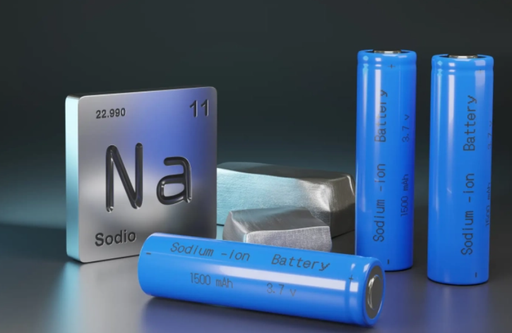
Sodium-ion batteries, solid-state batteries, fuel cells; perovskite, tandem, and gallium arsenide-based next-generation photovoltaic cells.
Prerequisite for exemption: Products must meet national standards. A qualified testing report must be submitted prior to the first application for tax reduction, with documentation retained for audit purposes.
III. Complete Practical Case Study (End-to-End Scenario)
Case Background
A power battery manufacturer specializing in automotive lithium-ion batteries sold battery cells worth 2 billion RMB in 2025, previously exempt from consumption tax.
With the policy effective as of September 1, 2026, the company enters a transitional period with a 2% consumption tax rate.
1. Shipments and revenue received in August 2026: Tax liability arises before the new policy takes effect—no consumption tax payable.
2. Shipments and sales in September 2026, with pre-tax sales revenue of 100 million RMB:
Consumption tax = 100 million × 2% = 2 million RMB. As a value-added tax, consumption tax directly reduces gross profit.
3. Two financial handling approaches yield vastly different outcomes:
• Option 1: Add a price adjustment clause to the contract, fairly shifting the tax burden downstream to automakers. Both parties agree to raise the inclusive tax price, minimizing impact on profitability.
• Option 2: Original contracts lack price adjustment clauses, so prices cannot increase. The full 2 million RMB in consumption tax falls entirely on the battery manufacturer, eroding profits.
By September 2027, when the tax rate rises to 4%, the same 100 million RMB in sales would incur 4 million RMB in consumption tax, further intensifying cost pressures.
Meanwhile, the company’s concurrently developed solid-state batteries are exempt from consumption tax until December 31, 2028, creating a clear cost advantage for these new products.
Compliance Risk Warning
If a company sells solid-state batteries but cannot provide a nationally certified test report, it cannot claim the tax exemption and must pay taxes as usual. Misreporting may lead to back taxes and late payment penalties.
IV. Key Policy Signals for the Industry
1. Withdrawal of Universal Subsidies for Mature Industries
China leads globally in lithium battery and photovoltaic manufacturing capacity. The industry has transitioned from government support and nurturing to market-driven regulation.
2. Use of Tax Levers to Drive Technological Upgrades
Next-generation technologies such as sodium batteries and solid-state batteries retain tax-exempt periods, incentivizing companies to invest in advanced R&D.
3. Accelerated Industry Segmentation
Leading firms with strong pricing power can pass on tax burdens, while smaller battery makers face margin compression and inefficient capacity will be rapidly phased out.
V. Practical Guidance for Finance, Procurement, and Sales
1. Battery Manufacturers
Separately account for taxable and tax-exempt products; prepare testing reports in advance for tax reductions; accrue and record consumption tax separately; supplement existing and new contracts with agreements on tax rate adjustments. 2. Automakers, energy storage integrators, photovoltaic module manufacturers, and upstream suppliers should renegotiate pricing to clarify who bears the consumption tax; clearly define the timing of tax obligations for cross-period orders to avoid sudden cost increases.
3. Import and export operations:
Imported batteries will be subject to this new consumption tax rule simultaneously, with taxes calculated at customs clearance; exported batteries will follow the current rules for consumption tax refunds.
4. Key points for Golden Tax risk control:
Separately manage purchase and sales data for different battery categories; retain documentation for tax-exempt products long-term. Tax authorities may later review test reports and product standards to prevent fraudulent claims of tax exemptions.
VI. Summary
The core logic of Announcement No. 20: mature battery technologies are taxed progressively, while cutting-edge new technologies enjoy tax exemption support. Supply chain enterprises should promptly review existing contracts, adjust pricing mechanisms, properly classify and account for products, and proactively mitigate potential profit losses and tax-related risks arising from the new consumption tax.
How to Extend 18650 Cell Lifespan?
Sep. 22, 2026
What Are the Advantages of Lithium Marine Batteries?
Sep. 22, 2026